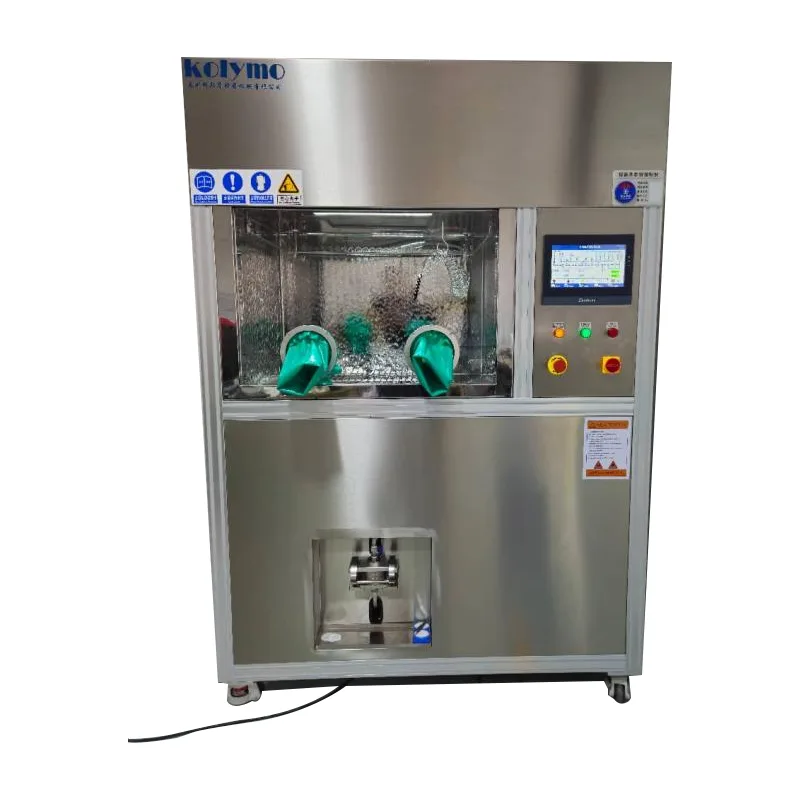
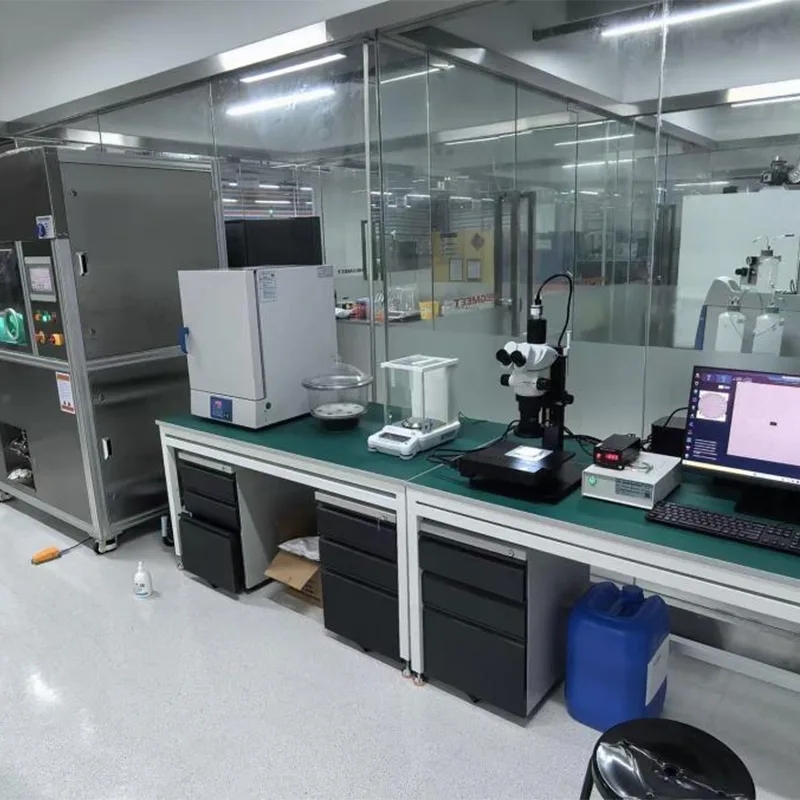
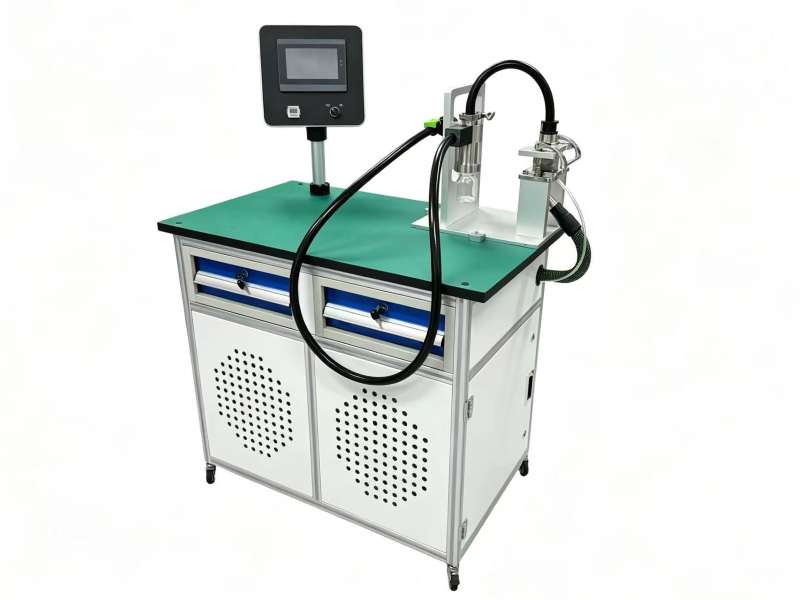
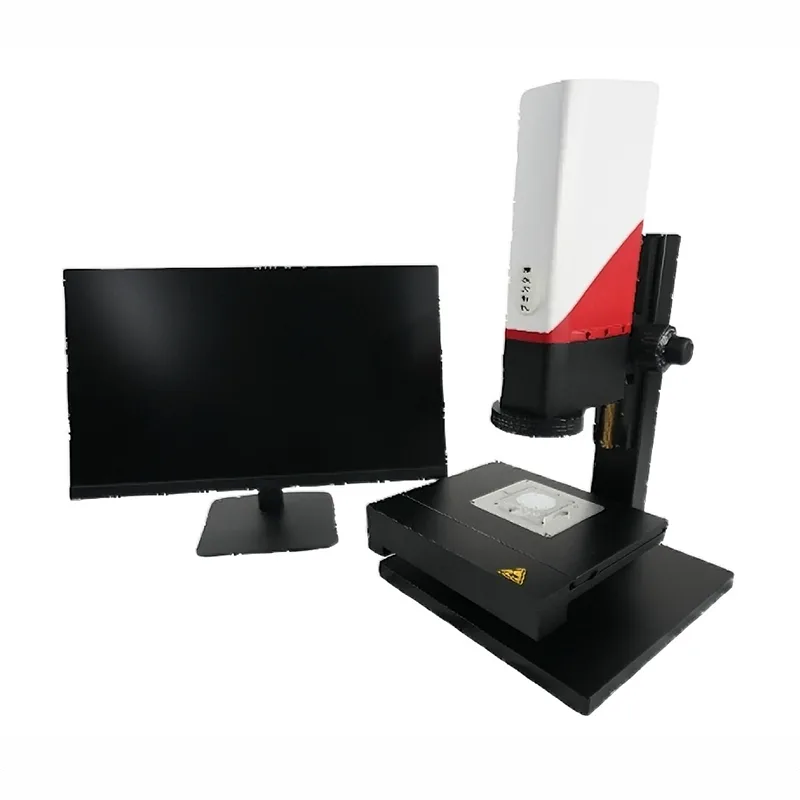
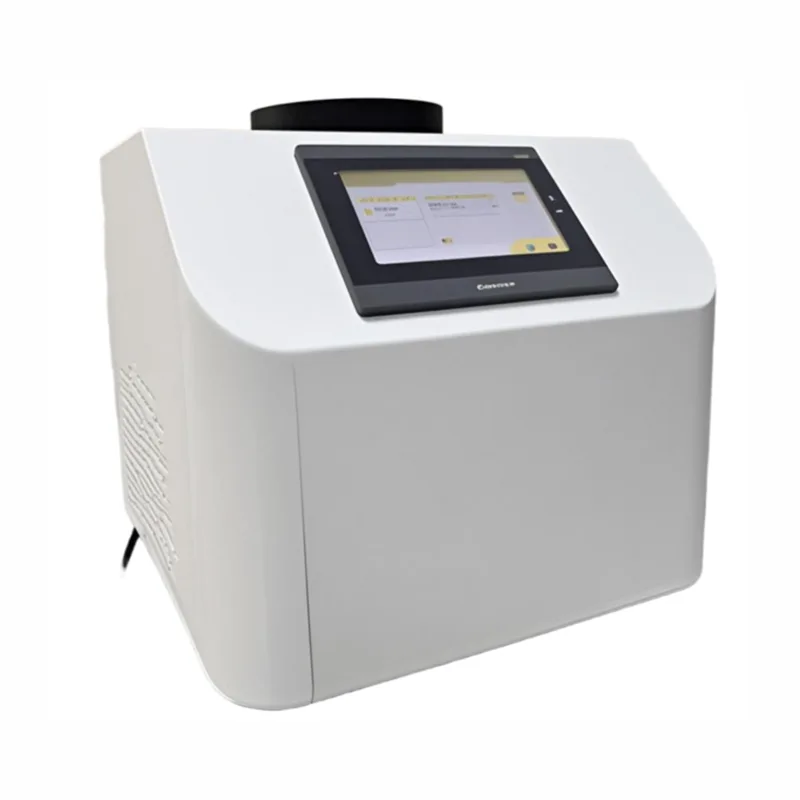
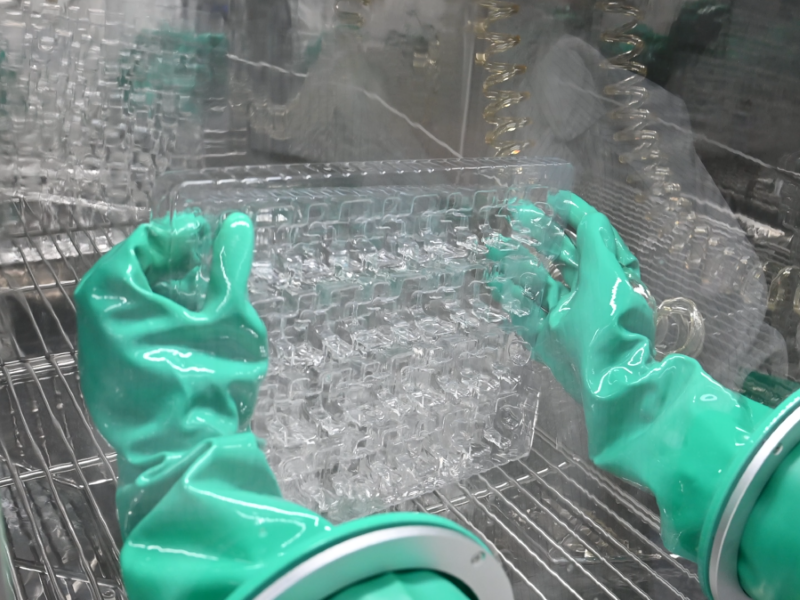
A cleanliness blank test is a control test performed without loading any test component samples, whereby all procedures, consumables, equipment parameters and operating environments of formal inspection are fully replicated. Every single step, including solvent dispensing, labware rinsing, filtration, drying & weighing and particle counting, is kept identical to routine sample testing. As an indispensable quality control procedure in cleanliness testing, it complies with mainstream industrial specifications such as VDA 19.1 and ISO 16232.
II. Core Functions of Blank Test
1. Eliminate background contamination of the test system to guarantee authentic test data
Trace contaminants may inherently exist in filter membranes, cleaning solvents, lab utensils, rubber hoses, disposable gloves, clean bench surroundings and ambient airborne dust; such contaminants derive from the test system rather than tested products. The blank test accurately quantifies the weight, particle count and particle size distribution of these background impurities, whose figures will be deducted from subsequent sample test results to obtain genuine contamination data of components and avoid result deviation caused by background pollution.
2. Verify cleanliness compliance of the entire inspection system
The blank test serves as a full self-inspection of the complete testing setup. It verifies qualification of test consumables, purity of solvents, thorough cleaning of labware and equipment, compliance of operating environment and standardization of operator practices to prevent extraneous contamination throughout the inspection workflow. A passing blank test result confirms the test system is in sound condition and ready for formal sample testing.
3. Validate test data validity and avoid invalid inspections
Blank test results constitute the core criterion to confirm validity of batch test data. An out-of-spec blank reading directly indicates systemic contamination, rendering all test results of the corresponding batch invalid. Testing can be terminated immediately for troubleshooting without further sample rechecks, cutting down time and labor costs spent on futile inspections.
4. Rapidly trace contamination sources for targeted rectification
In case of abnormally high blank values, technicians can troubleshoot layer by layer in the sequence of consumables → solvents → labware → equipment piping → cleanroom environment → operator operation to pinpoint contamination origins efficiently, addressing hidden issues including dampened filter membranes, deteriorated solvents, scaled pipelines and excessive dust in clean areas and preventing recurring contamination.
III. Severe Consequences of Waiving Blank Test
1. Severe data distortion leading to production economic losses
This is the most direct and prevalent fallout. Without blank testing, all background impurities of the test system will be counted as contaminants from tested parts and inflate test readings. Precision components with qualified inherent cleanliness may be incorrectly judged non-conforming, triggering rework, scrapping and full batch rejection, raising production costs, delaying delivery and incurring unnecessary financial losses.
2. Ineffective quality control and unresolvable recurring defects
Lacking blank test as reference, inspectors cannot distinguish whether detected contaminants originate from component itself or external pollution introduced via consumables, operating environment or testing procedures. Root causes of non-conformance cannot be identified accurately, resulting in blind corrective actions and repeated cleanliness failures, putting enterprise quality management in a passive position.
3. Non-compliance with industrial standards leading to invalid reports and audit violations
Leading cleanliness specifications for automotive parts, precision hydraulic components and aerospace fittings mandate mandatory blank control tests, which are also compulsory audit items for IATF16949 certification and customer factory audits. Skipping blank tests renders inspection reports non-compliant; customers may refuse recognition of test data, cause failures in system certification and third-party factory audits, and damage corporate cooperation qualification and market reputation.
4. Progressive degradation of test system and long-term hidden quality risks
Blank testing is critical for discovering latent defects within the inspection system. Omission of this procedure leaves hidden problems undetected, such as substandard filter membrane batches, long-term solvent degradation, residual dirt inside equipment pipelines and out-of-tolerance cleanroom cleanliness. Systemic contamination accumulates gradually with deteriorating testing accuracy over time, eventually causing widespread inaccurate measurements, mass quality incidents and customer complaints.
IV. General Industrial Acceptance Criteria for On-site Implementation
1. Acceptable blank result: Weight and particle count of blank impurities shall be far below component specification limit; the widely accepted industrial threshold is blank value ≤ 10% of sample specification limit.
1. Over-limit blank result: All sample testing must be suspended. Full equipment cleaning, consumable & solvent replacement and environmental improvement shall be completed before retaking blank test; batch sample inspection can only resume after blank test passes.
V. Conclusion
The blank test is not a redundant procedure but the fundamental guarantee for credible and valid cleanliness test data. It acts as a vital QC measure to control system cleanliness, prevent wrongful quality judgment and satisfy regulatory compliance requirements. Omitting blank tests invalidates all sample inspection data, bringing potential production and compliance risks and rendering the enterprise’s entire quality management system ineffective.
We use cookies to offer you a better browsing experience, analyze site traffic and personalize content. By using this site, you agree to our use of cookies.
Privacy Policy