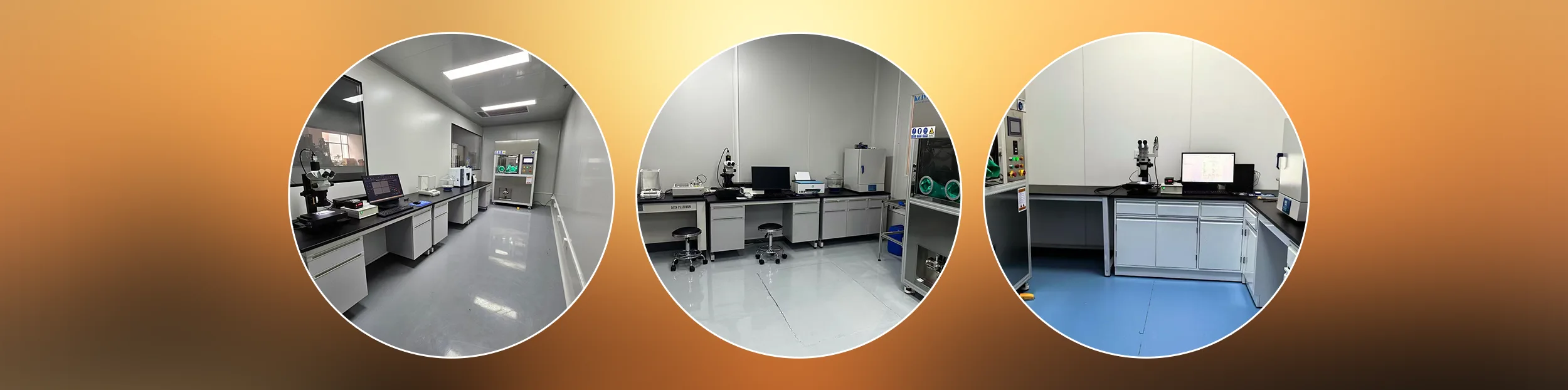
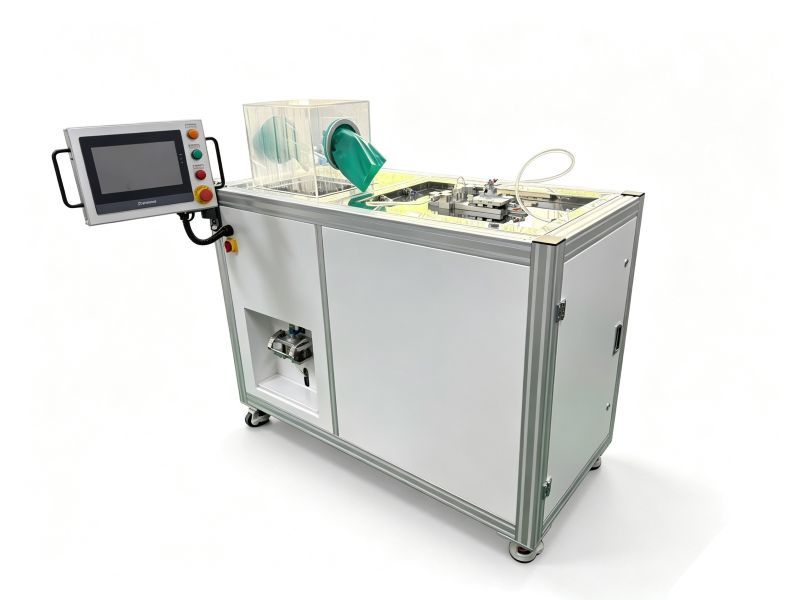
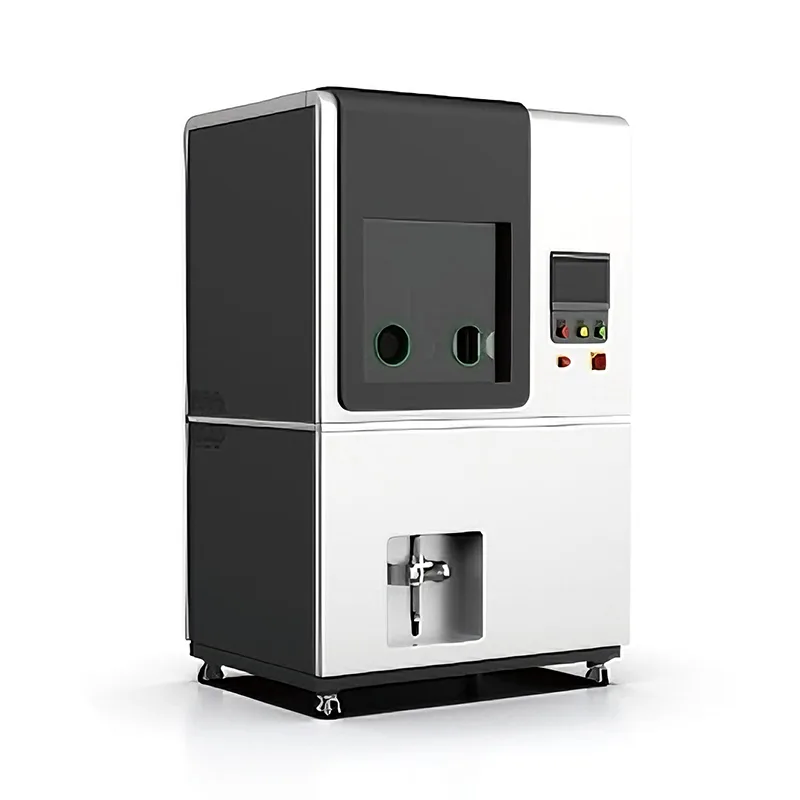
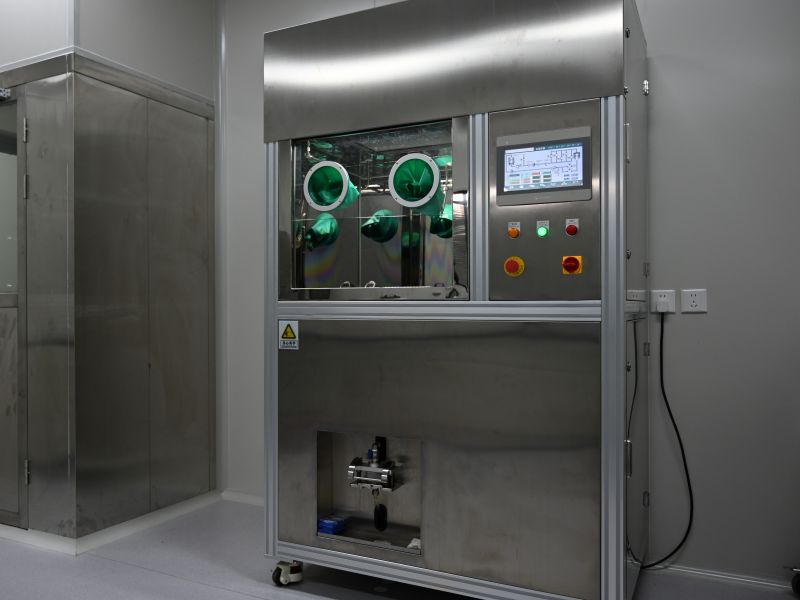
In the automotive, aerospace and liquid cooling industries, cleanliness is a critical quality barrier that directly determines product safety, operational reliability and service life. Even tiny particle pollutants, which are difficult to identify with the naked eye, can trigger fatal failures—such as blockages in liquid cooling microchannels, accelerated wear of automotive engine components, or potential safety hazards of aerospace precision parts, bringing huge economic losses and safety risks to enterprises. As a professional China manufacturer and supplier, Kelemo deeply recognizes the decisive impact of cleanliness on industrial development, and its self-developed Microscopic analysis, equipped with high-precision microscopes from top Japanese brands Olympus and Nikon, has become a core tool for quality control in these three key industries. Our factory integrates R&D, production and testing, ensuring that Kelemo’s Microscopic analysis can accurately capture and analyze micro-pollutants, effectively solving industry pain points and providing reliable cleanliness detection solutions for global customers.
High-Precision Imaging Advantage | Powered by Top Japanese Microscopes
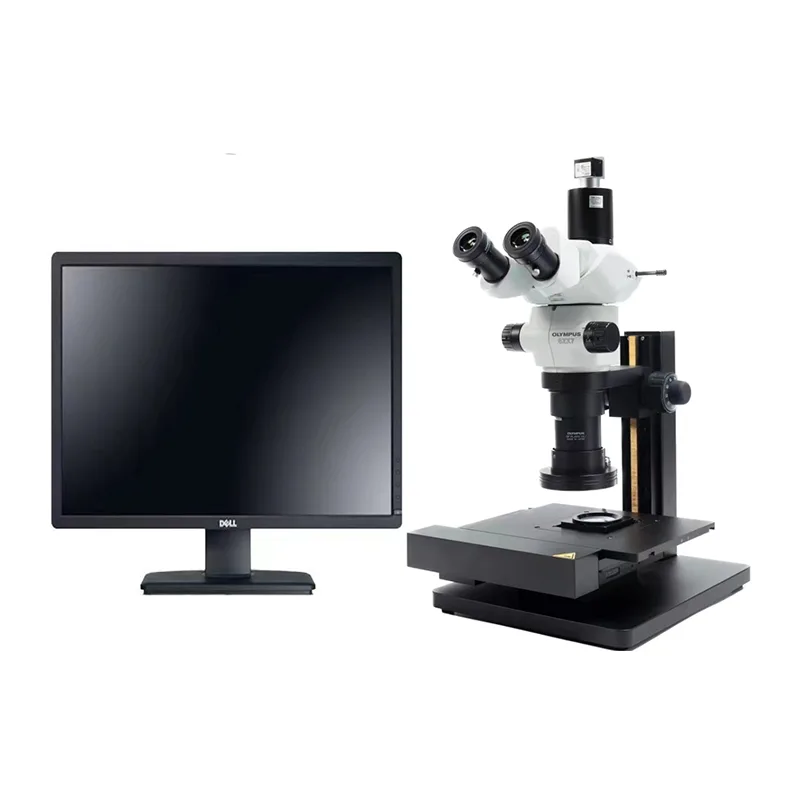
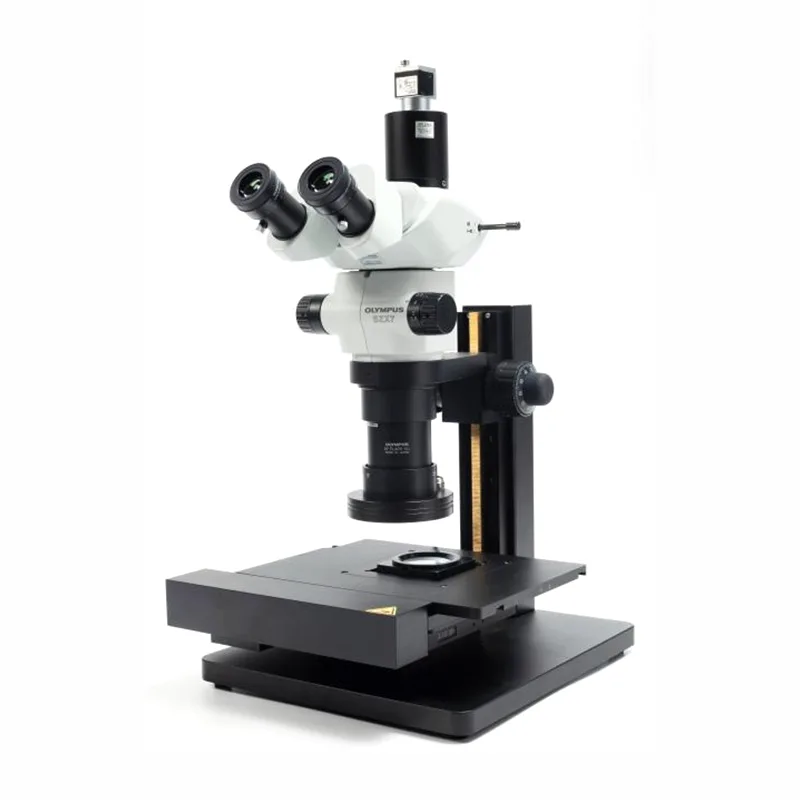
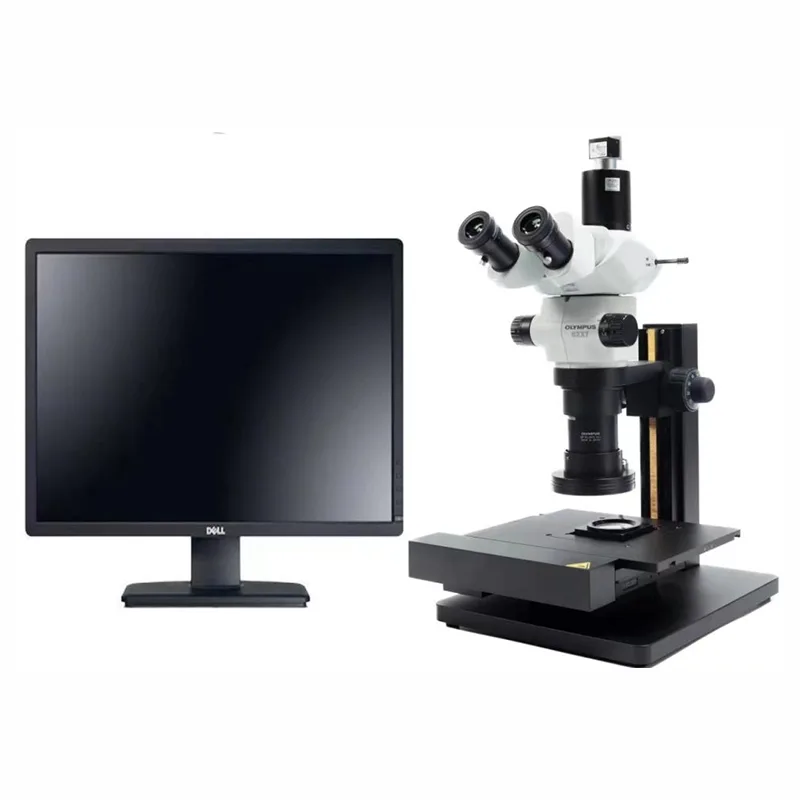
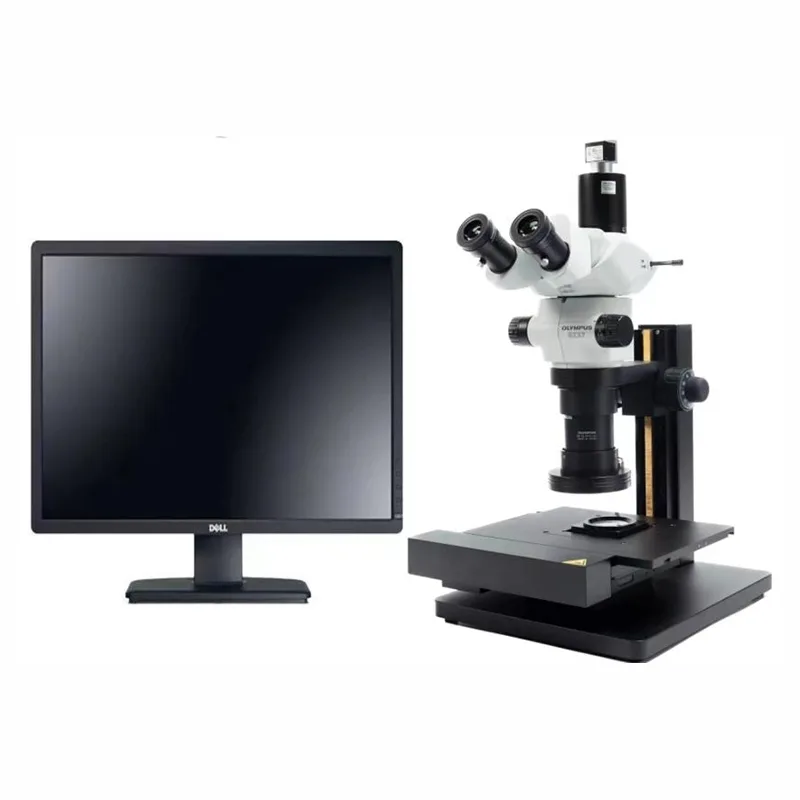
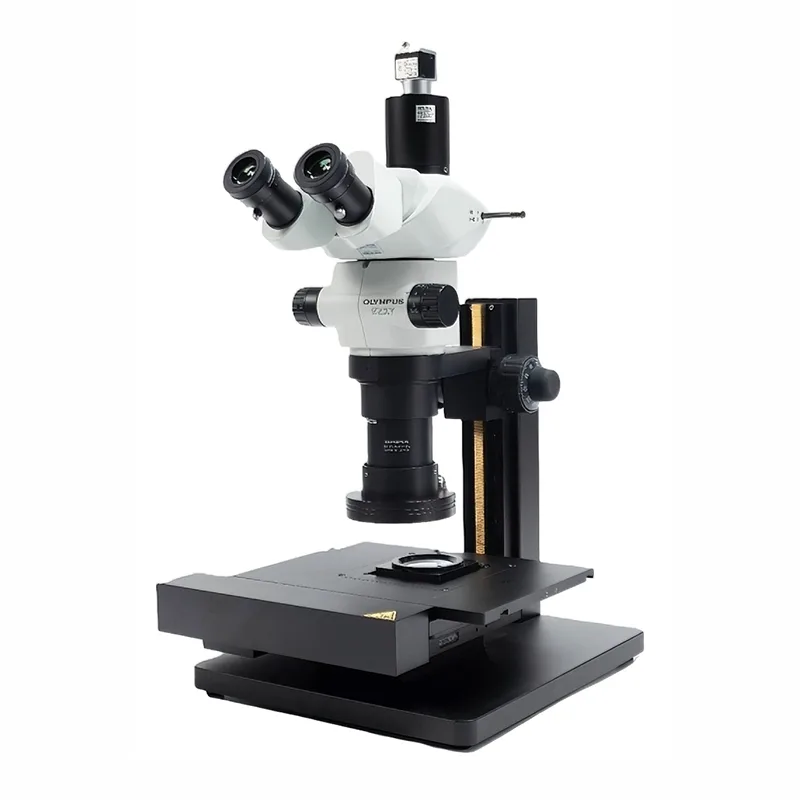
The core advantage of Kelemo’s Microscopic analysis lies in its outstanding high-precision imaging performance, which is supported by high-quality microscopes from Japanese brands Olympus and Nikon—two globally recognized leaders in the microscope field. Integrating advanced optical imaging technology, AI intelligent recognition and laser particle analysis, Kelemo’s Microscopic analysis can accurately identify and quantify micro-particle pollutants as small as micrometers, and clearly distinguish the type, size and distribution of pollutants, fully meeting international standards such as ISO16232 and VDA19. As a professional China manufacturer, Kelemo has optimized the matching between the analysis system and Olympus, Nikon microscopes, making the Microscopic analysis perfectly adapt to the strict cleanliness requirements of automotive, aerospace and liquid cooling industries—whether it is the detection of automotive battery components, aerospace engine parts or liquid cooling plates, it can provide accurate and reliable analysis data to avoid quality risks caused by incomplete pollutant detection.
Intelligent Operation Advantage | Improving Detection Efficiency and Convenience
As an experienced Microscopic analysis supplier, Kelemo fully considers the diverse needs of the automotive, aerospace and liquid cooling industries, and integrates intelligent technology into the system design to greatly improve detection efficiency. Kelemo’s Microscopic analysis, matched with Olympus and Nikon microscopes, supports automatic sample scanning, one-click detection and intelligent data analysis, which can automatically generate standardized detection reports, reduce manual intervention, and avoid errors caused by human factors. It is equipped with a humanized operation interface, which is easy to operate and maintain, and can be seamlessly integrated into the production and testing lines of enterprises. Our factory adopts standardized production processes, ensuring the consistency and stability of each set of Microscopic analysis, effectively solving the industry problems of low manual detection efficiency and high labor costs, and winning wide recognition from domestic and international customers in related industries.
Full-Chain Quality & Service Advantage | Securing Worry-Free Procurement and Use
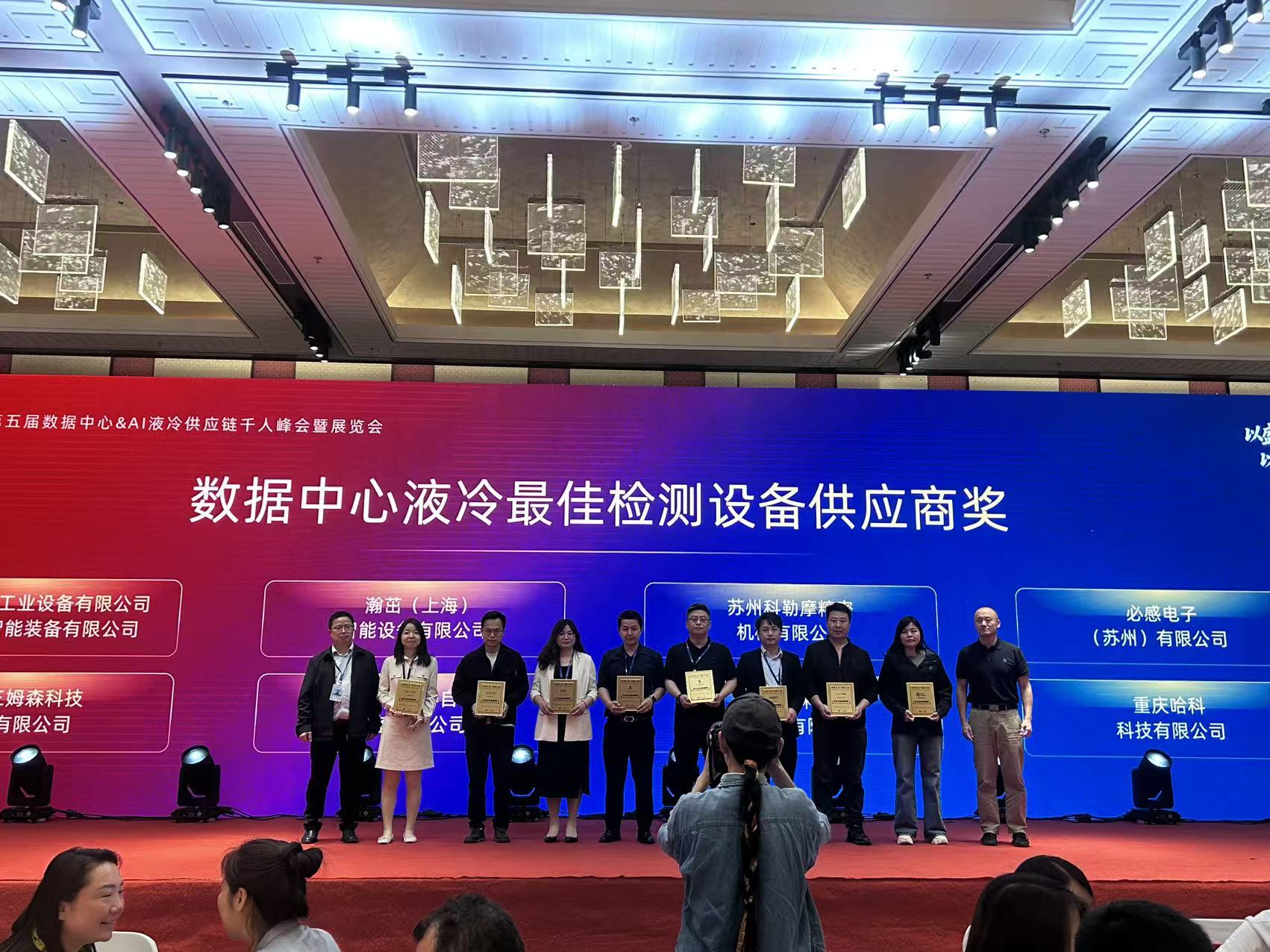
Kelemo’s Microscopic analysis is directly manufactured and supplied by our own factory in China, with the entire production process from raw material selection, integration of Olympus and Nikon microscopes to factory testing fully controllable, ensuring stable quality and traceability of each batch of products. As a trustworthy China supplier and manufacturer, Kelemo has obtained multiple international certifications such as ISO9001 and CE, which is a strong endorsement of the performance and quality of the Microscopic analysis. In addition, we provide global customers in the automotive, aerospace and liquid cooling industries with one-stop services including pre-sales technical consultation, on-site installation and debugging, 7×24-hour after-sales maintenance and spare parts supply, solving all problems encountered by customers in the process of use, and building a long-term and stable cooperative relationship with global partners.