We are glad to share with you about the results of our work, company news, and give you timely developments and personnel appointment and removal conditions.
Against the backdrop of booming high-end precision manufacturing, component surface cleanliness is critical to product reliability, safety and service life. Micro residual contaminants including solid particles, organic grease and ionic residues arising from machining and assembly may trigger component wear, pipeline blockage and circuit faults, causing product failure. Cleanliness testing is a standardized core quality inspection technology that detects, quantifies and analyzes surface contaminants of industrial parts. It supports production quality control, process optimization and compliance certification, serving as an indispensable guarantee for stable quality and reliable performance of automotive, aerospace, medical, electronic and new energy precision products.
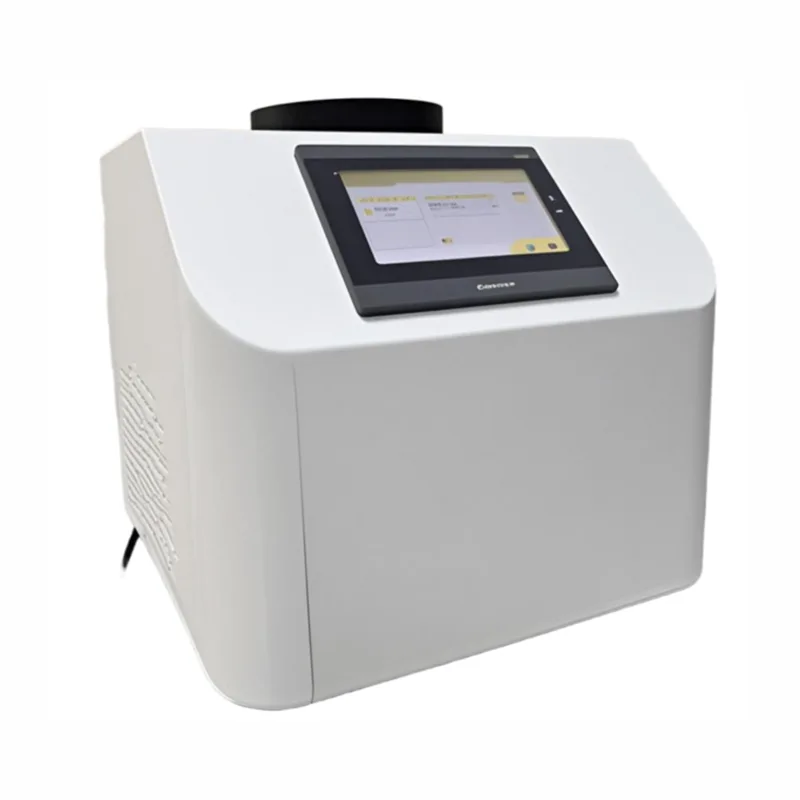
With the refined and intelligent development of the high-end manufacturing industry, product cleanliness serves as a core indicator measuring product precision, reliability and service life, which directly determines the service performance, safety coefficient and market value of products. As a core intelligent device for controlling product cleanliness quality, the cleanliness analysis system can accurately detect, count and analyze tiny impurity particles in product parts and medium fluids. It thoroughly makes up for the shortcomings of traditional manual detection such as large errors, low efficiency and inconsistent standards. Widely applied in rigorous fields including automobile manufacturing, aerospace, medical devices, new energy and hydraulic precision manufacturing, it holds irreplaceable important value for enterprise production and operation, industrial compliance development and product quality upgrading.
Against the backdrop of the automotive industry upgrading toward high-end and intelligent development, and liquid cooling systems achieving breakthroughs in high precision and high reliability, cleanliness control of precision components has become the core key to ensuring stable operation of complete machine systems and extending service life. Following the official implementation of the new VDA 19.1 (2026), which further lowers the cleanliness detection threshold to 5 micrometers, the global international standard system for automotive component cleanliness is undergoing an unprecedented historic overhaul, with industry supervision thresholds and technical requirements raised across the board.
In industries where precision, safety, and reliability determine product quality, contamination control has become more important than ever. Tiny particles, oil residues, metal debris, fibers, and dust can severely affect the performance of automotive components, hydraulic systems, aerospace assemblies, medical devices, and electronic products. Even microscopic contamination can lead to equipment failure, product recalls, reduced lifespan, or safety risks.
We use cookies to offer you a better browsing experience, analyze site traffic and personalize content. By using this site, you agree to our use of cookies.
Privacy Policy