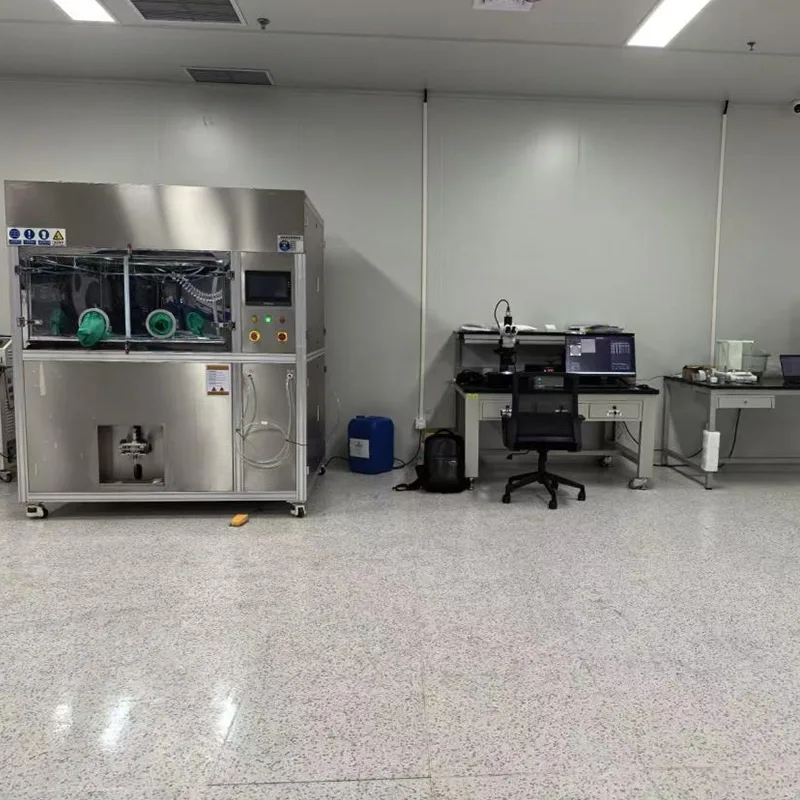
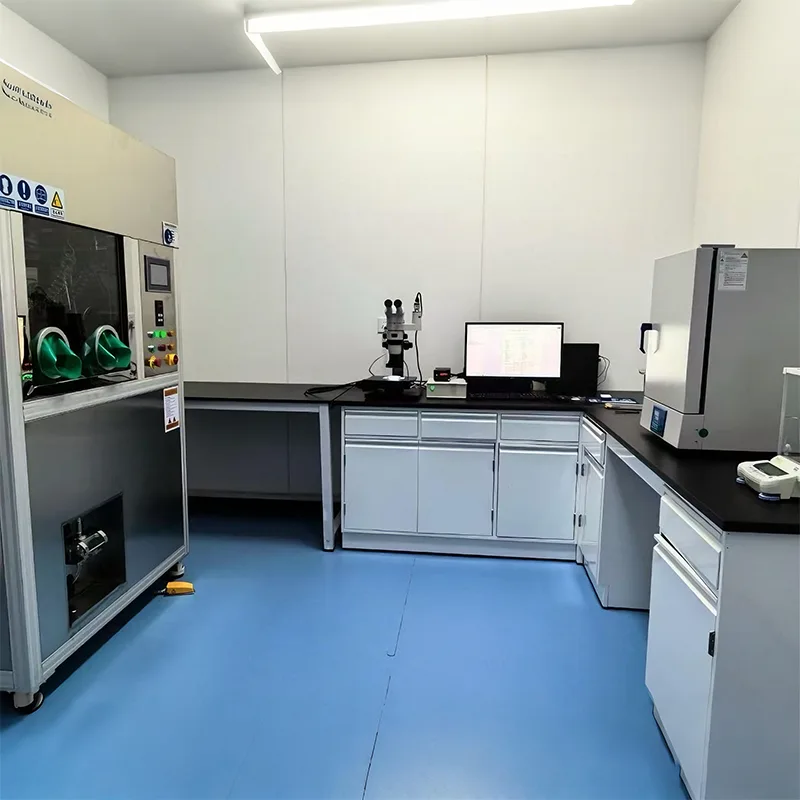
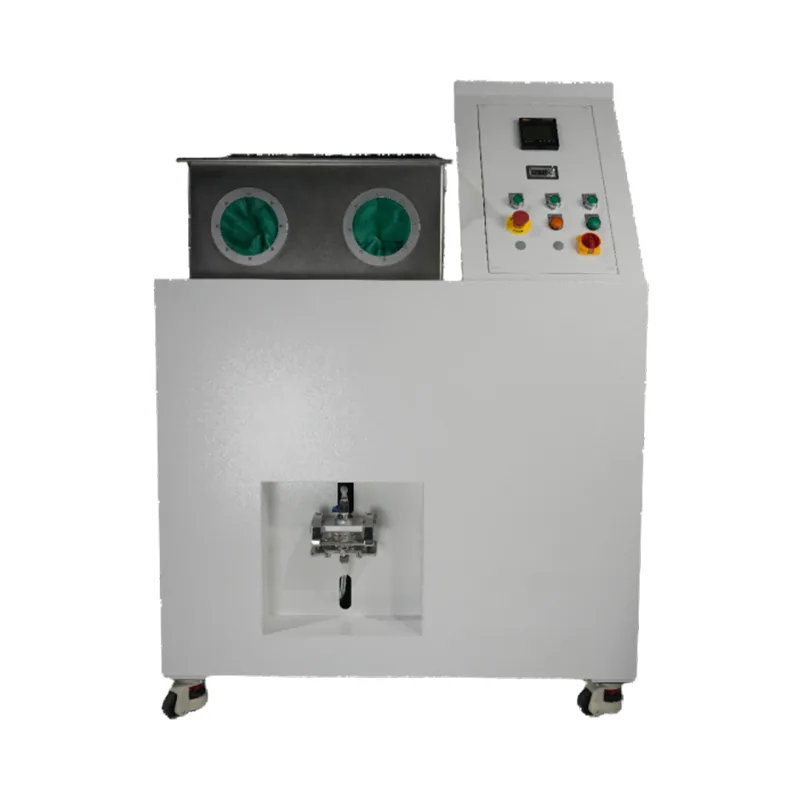
In industries where precision, safety, and reliability determine product quality, contamination control has become more important than ever. Tiny particles, oil residues, metal debris, fibers, and dust can severely affect the performance of automotive components, hydraulic systems, aerospace assemblies, medical devices, and electronic products. Even microscopic contamination can lead to equipment failure, product recalls, reduced lifespan, or safety risks.
This is where a Cleanliness Detection Instrument becomes an essential solution. These advanced instruments help manufacturers detect, analyze, and monitor contaminants during production and quality inspection processes. From automotive engine parts to semiconductor components, cleanliness testing ensures products meet strict industry standards while reducing operational risks and improving customer satisfaction.
As industrial standards continue to evolve, companies increasingly rely on intelligent cleanliness analysis systems to maintain consistency and improve production efficiency. Manufacturers such as SuZhou Kolymo Precison Machinery Co.,Ltd. are contributing to this field by offering advanced cleanliness detection technologies tailored to industrial applications.
This article explains everything you need to know about cleanliness detection instruments, including their working principles, industrial applications, benefits, testing methods, common contamination sources, buying considerations, maintenance practices, and future technology trends. Whether you are involved in automotive manufacturing, aerospace engineering, electronics production, or industrial quality control, this guide will help you understand how cleanliness analysis improves production reliability and operational performance.
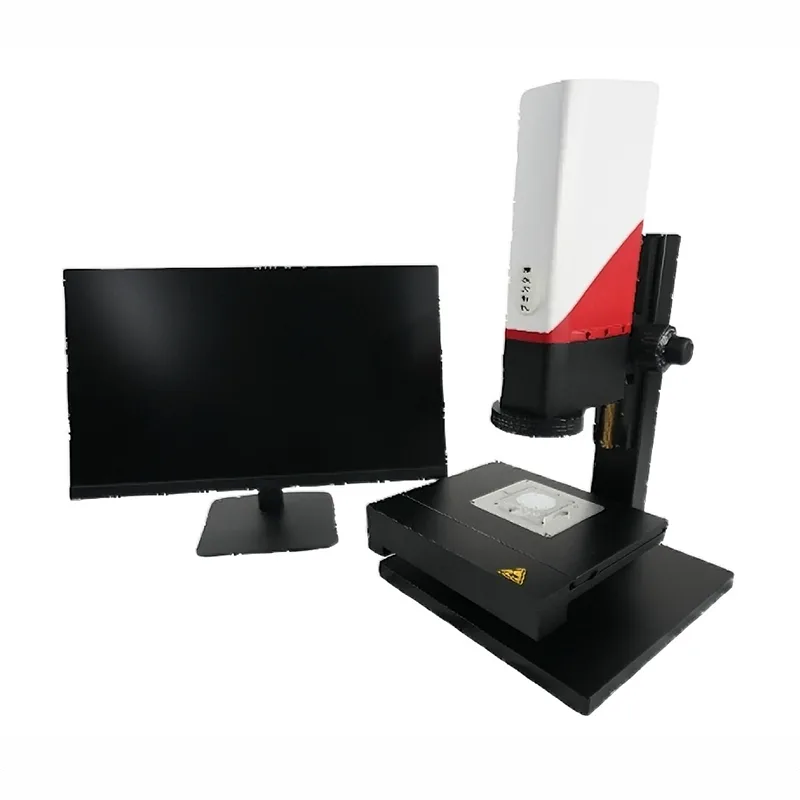
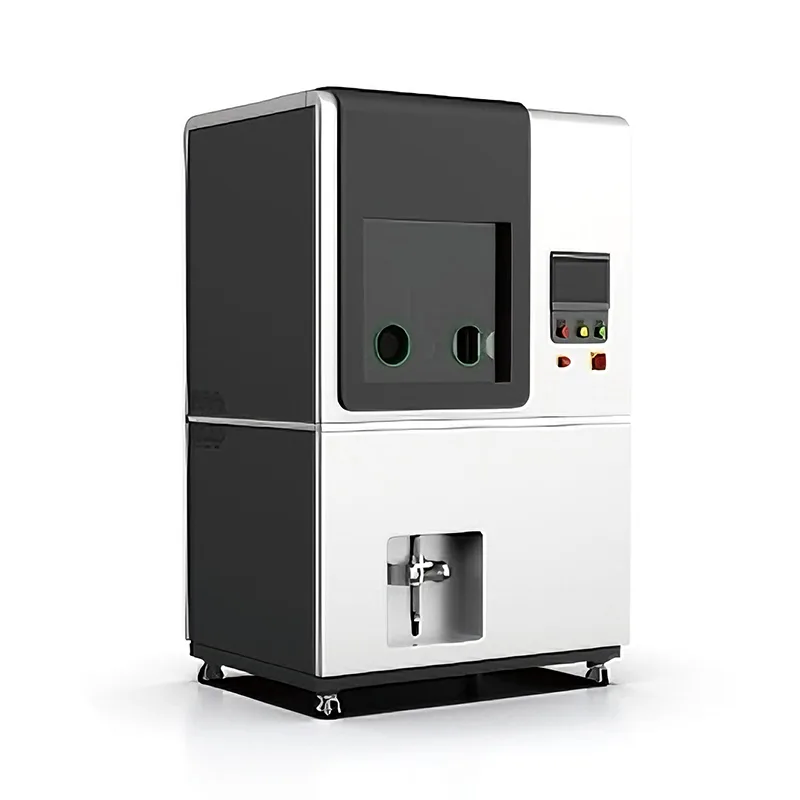
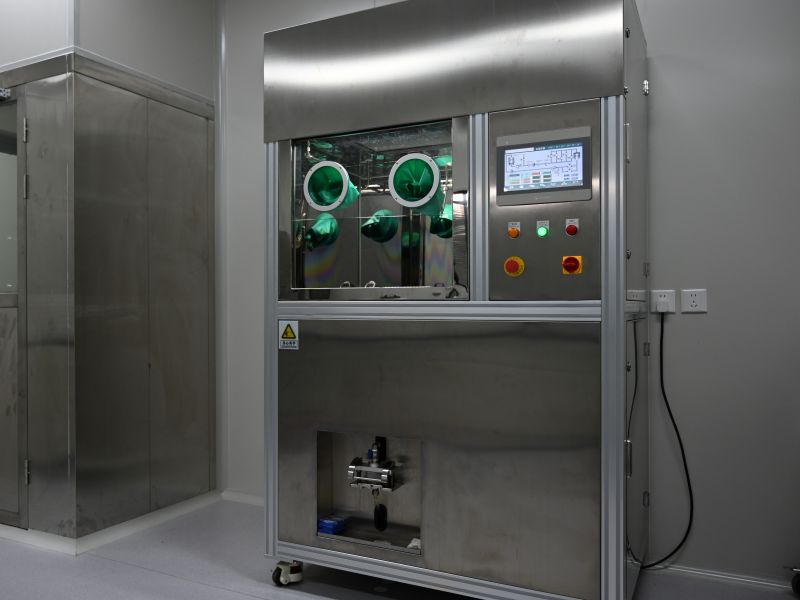
A cleanliness detection instrument is a specialized inspection system used to identify and measure contaminants on components, surfaces, liquids, or manufactured parts. These instruments evaluate the presence of unwanted particles such as dust, fibers, metal chips, oil residue, or microscopic debris.
The main purpose of cleanliness testing is to ensure that products meet predefined cleanliness standards before assembly or shipment. In precision manufacturing industries, contamination control directly affects product durability, efficiency, and safety.
Modern cleanliness detection systems often combine:
These systems provide accurate contamination analysis while reducing human error during inspection procedures.
Contamination is one of the hidden causes of manufacturing defects. Even particles invisible to the human eye can damage sensitive equipment and reduce product reliability.
For example:
| Industry | Potential Contamination Risk | Possible Consequence |
|---|---|---|
| Automotive | Metal particles in engine components | Engine wear or failure |
| Aerospace | Dust in hydraulic systems | System malfunction |
| Medical Devices | Bacterial contamination | Safety concerns |
| Electronics | Microscopic particles on chips | Circuit failure |
| Hydraulics | Oil contamination | Reduced system efficiency |
Cleanliness detection instruments help companies:
The operation process depends on the type of instrument and application, but most systems follow several key stages.
Contaminants are first removed from the tested component using extraction methods such as:
The extracted particles are collected in a testing liquid or filter membrane.
The contaminated liquid passes through a membrane filter that captures particles of different sizes. The filter becomes the main analysis surface.
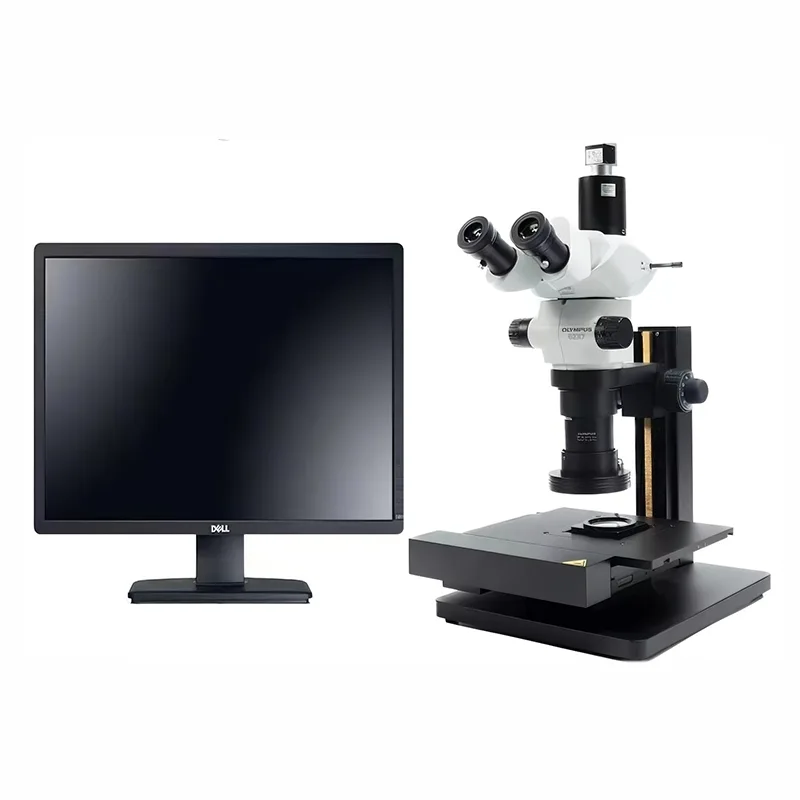
Advanced cameras and microscopes scan the filter membrane to identify:
The software automatically categorizes contaminants and generates detailed inspection reports.
The final results are displayed digitally for traceability, quality audits, and production optimization.
Modern cleanliness detection instruments can analyze a wide variety of contaminants, including:
| Contaminant Type | Description |
|---|---|
| Metal Particles | Machining debris from manufacturing processes |
| Fibers | Textile fibers or airborne particles |
| Dust | Environmental contamination |
| Oil Residue | Lubricant contamination |
| Plastic Fragments | Injection molding residue |
| Glass Particles | Sharp microscopic contamination |
| Organic Residue | Chemical or biological contamination |
Some advanced systems can also differentiate between reflective metallic particles and non-metallic contaminants for more accurate analysis.
The automotive sector is one of the largest users of cleanliness testing equipment. Engine systems, fuel injectors, brake systems, transmissions, and hydraulic components require extremely high cleanliness standards.
Microscopic contaminants can:
Aircraft systems operate under extreme conditions where even minor contamination can affect safety and performance. Cleanliness testing helps ensure reliability in:
Medical manufacturers use cleanliness detection systems to prevent contamination in surgical instruments, implants, and pharmaceutical equipment.
Semiconductors and circuit boards require contamination-free environments because microscopic particles can interrupt electrical conductivity.
Hydraulic contamination can significantly shorten equipment lifespan. Cleanliness analysis helps maintain fluid purity and system reliability.
Contamination-free products perform more consistently and experience fewer failures.
Early contamination detection helps reduce:
Many industries require strict cleanliness standards. Detection instruments help manufacturers maintain compliance during audits and inspections.
Reliable products improve brand reputation and strengthen customer trust.
Automation increases inspection speed while minimizing human inspection errors.
| Factor | Manual Inspection | Automated Detection Instrument |
|---|---|---|
| Accuracy | Limited | High precision |
| Speed | Slow | Fast analysis |
| Repeatability | Variable | Consistent |
| Data Recording | Manual paperwork | Digital reporting |
| Human Error | High possibility | Minimal |
| Microscopic Detection | Difficult | Advanced imaging support |
Automated systems are increasingly preferred because they provide reliable and repeatable inspection results.
Choosing the right cleanliness detection instrument depends on your industry requirements and production scale.
Advanced optical systems improve particle identification accuracy.
Intelligent software can distinguish particle materials and contamination types automatically.
Efficient analysis supports high-volume manufacturing environments.
Clear interfaces simplify operation and report generation.
Digital records improve quality tracking and audit preparation.
Flexible settings allow companies to match different industry requirements.
Cleanliness testing often follows international standards to ensure consistency across manufacturers and suppliers.
Common standards include:
| Standard | Industry Application |
|---|---|
| ISO 16232 | Automotive cleanliness testing |
| VDA 19 | Technical cleanliness analysis |
| ISO 4406 | Hydraulic fluid contamination |
| NAS 1638 | Aerospace fluid cleanliness |
| SAE Standards | Automotive engineering |
Meeting these standards helps manufacturers improve supply chain consistency and maintain product quality.
Proper maintenance ensures accurate testing performance and extends equipment lifespan.
Calibration guarantees measurement accuracy and reliable particle analysis.
Lenses, cameras, and microscopes should remain clean to avoid false readings.
Updated software improves analysis functions and system security.
Used filters should be replaced regularly to maintain analysis precision.
The testing environment should minimize airborne contamination and vibration.
The future of cleanliness detection technology is moving toward automation, artificial intelligence, and smart manufacturing integration.
Artificial intelligence can improve contaminant classification accuracy and reduce inspection time.
Future systems may continuously monitor contamination during production instead of relying only on post-production inspection.
Cloud systems allow manufacturers to store, analyze, and compare inspection data globally.
Cleanliness detection systems are increasingly connected to automated production lines for immediate process adjustments.
Advanced imaging technologies continue improving microscopic detection capabilities.
Its primary purpose is to identify and measure contaminants on components or within systems to ensure product quality and operational reliability.
Automotive, aerospace, electronics, medical devices, hydraulics, and precision manufacturing industries benefit significantly from contamination analysis.
Yes. Advanced systems use optical microscopes and imaging software to detect microscopic contamination invisible to the naked eye.
Contamination can cause equipment failure, reduced product lifespan, blocked systems, performance issues, and safety risks.
Testing frequency depends on production volume, industry requirements, and quality standards. Many manufacturers perform routine inspections during every production stage.
Automated systems provide higher accuracy, faster analysis, better repeatability, and digital traceability compared to manual inspection methods.
Yes. Early contamination detection helps reduce product defects, downtime, repair costs, and customer complaints.
As manufacturing precision continues to advance, contamination control has become a critical part of quality assurance. A reliable Cleanliness Detection Instrument helps manufacturers maintain high standards, improve operational efficiency, and protect product performance across multiple industries.
From automotive components to aerospace systems and medical devices, cleanliness analysis plays a vital role in ensuring safety, reliability, and long-term durability. Companies that invest in advanced cleanliness testing technologies are better prepared to meet modern manufacturing challenges while improving customer confidence.
SuZhou Kolymo Precison Machinery Co.,Ltd. continues to focus on advanced cleanliness inspection solutions designed to support industrial precision and contamination control requirements worldwide.
Looking for reliable cleanliness detection solutions for your manufacturing process?
SuZhou Kolymo Precison Machinery Co.,Ltd. is committed to providing advanced cleanliness analysis equipment designed for precision industries worldwide.
Whether you need customized testing systems, technical support, or professional consultation, our team is ready to help you improve product quality and contamination control efficiency.
Contact us today to learn more about our advanced cleanliness detection technologies and discover how we can support your industrial inspection needs.
No. 225 Huajin Road, Tong'an Town, Huqiu District, Suzhou City, Jiangsu Province, China
Copyright © 2026 SuZhou Kolymo Precison Machinery Co.,Ltd. All Rights Reserved. Links| Sitemap| RSS| XML| Privacy Policy