News

How Does Liquid Cooling Cleanliness Equipment Improve Industrial Efficiency and Reliability?

2026-04-27 0 Leave me a message

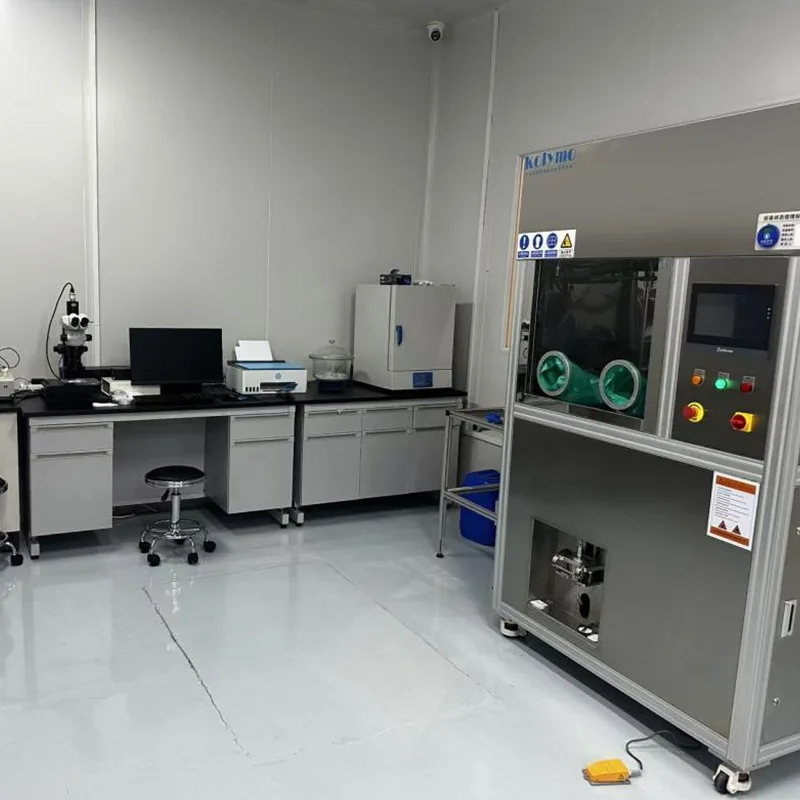
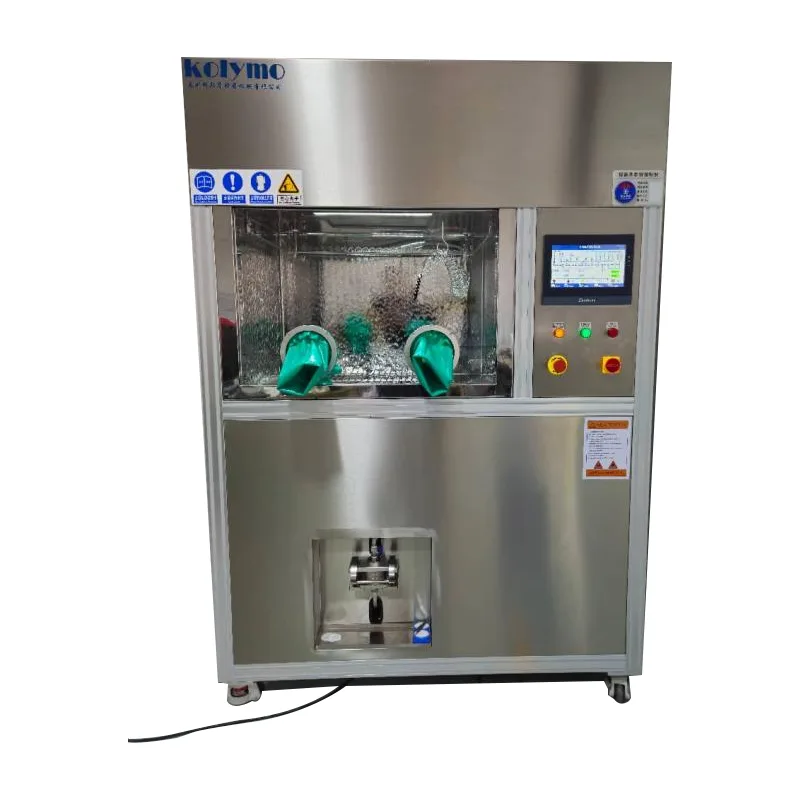
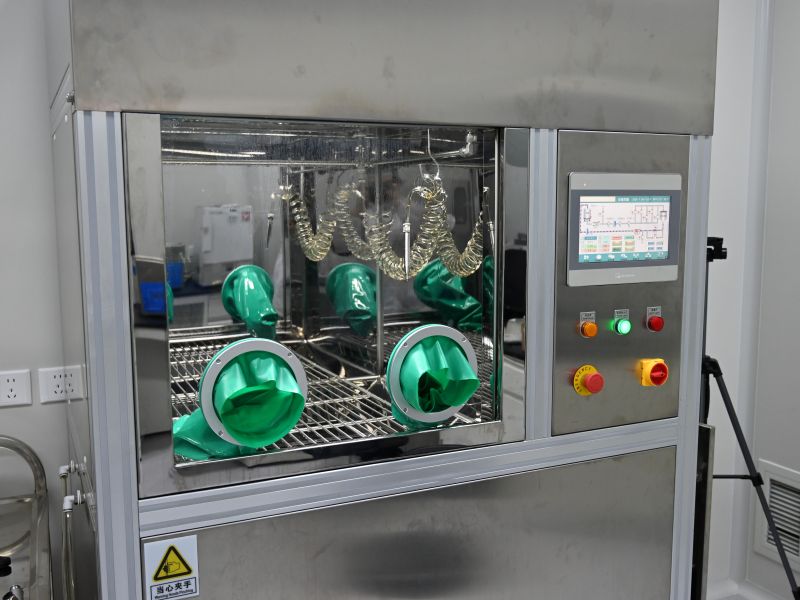
In modern manufacturing environments—especially those involving precision electronics, data centers, automotive components, and semiconductor systems—liquid cooling has become a critical technology for thermal management. However, maintaining the cleanliness of these liquid cooling systems is just as important as their cooling performance. Contaminants such as particles, residues, oils, and microbial growth can severely compromise system efficiency, reduce lifespan, and increase operational costs. This is where liquid cooling cleanliness equipment plays a vital role, ensuring optimal system performance, reliability, and long-term stability.

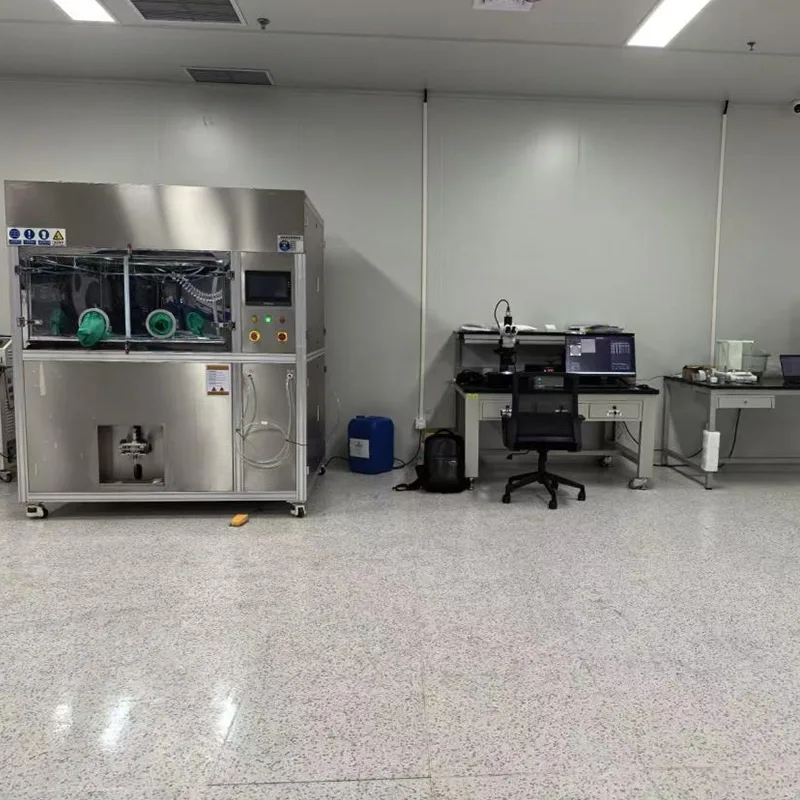
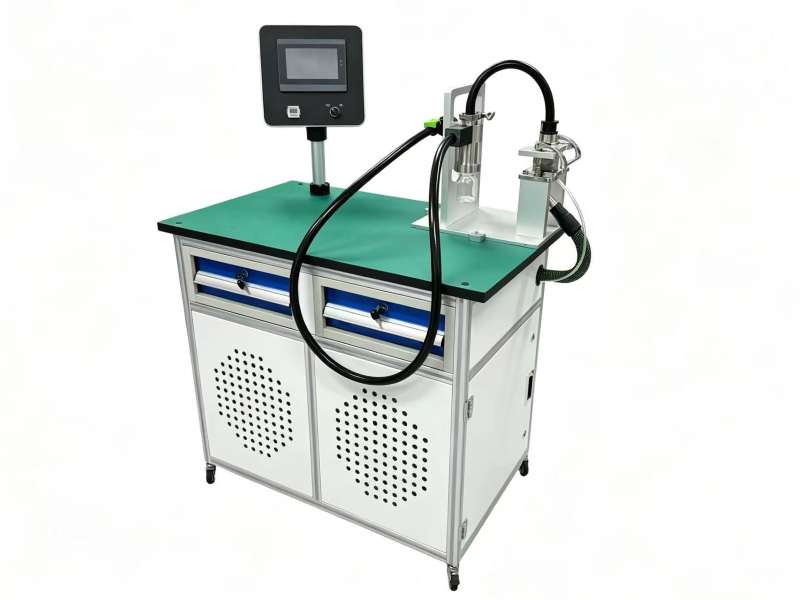
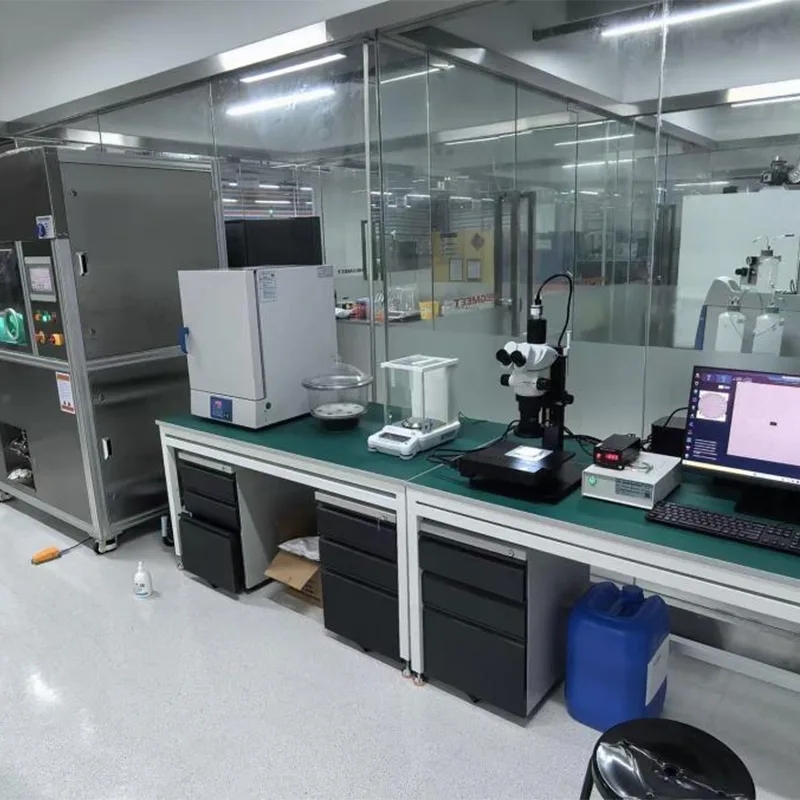
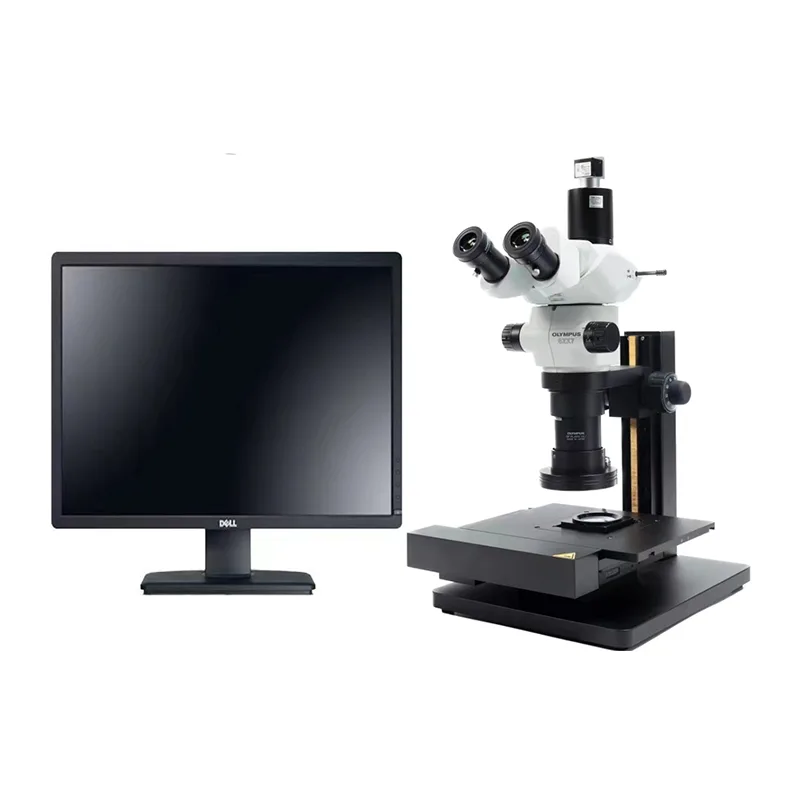
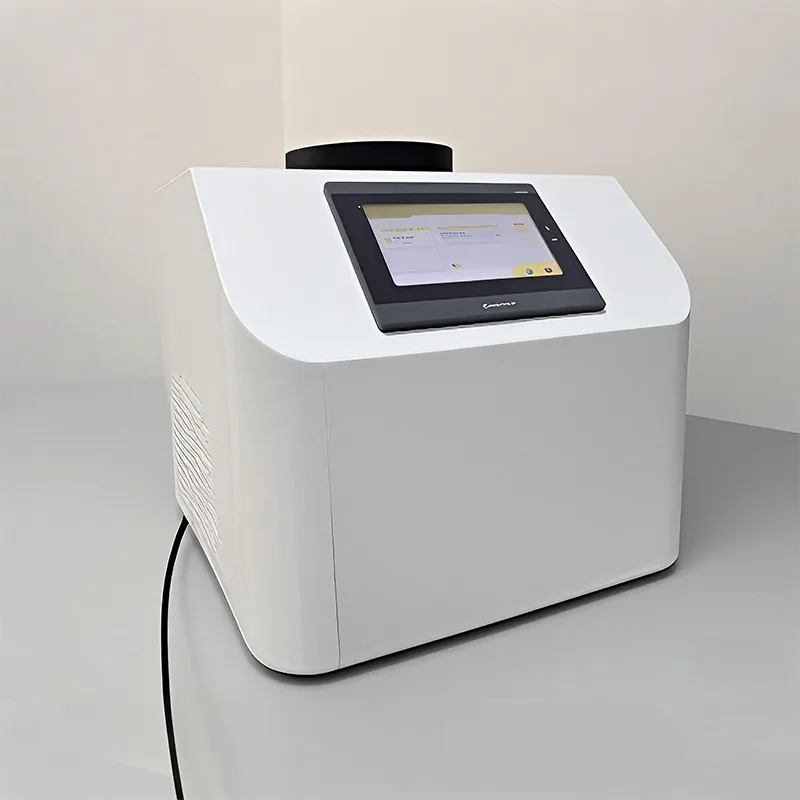
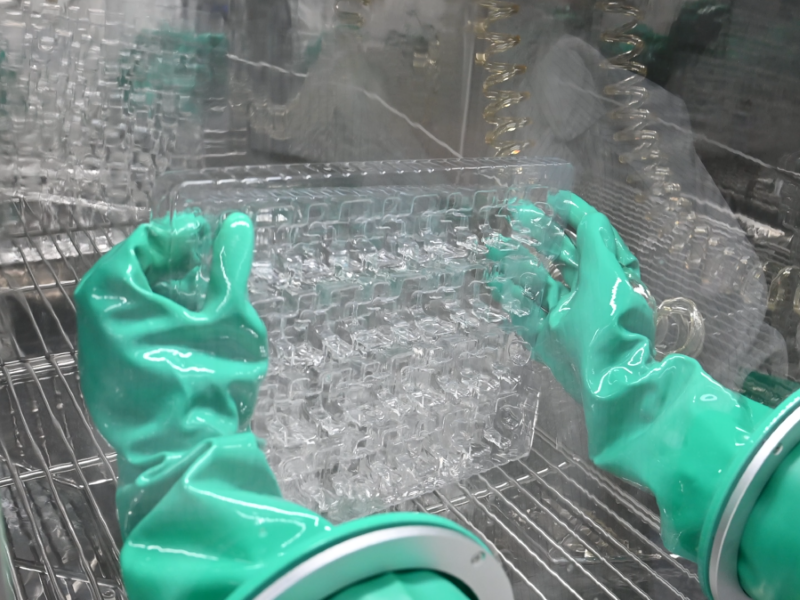
 liquid cooling cleanliness equipment


Article Summary

This article explores the importance of liquid cooling cleanliness equipment, how it works, and why it is essential across industries. It addresses common challenges faced by users, explains key technologies, compares solutions, and provides actionable insights for selecting the right equipment. Readers will gain a comprehensive understanding of how maintaining cleanliness in liquid cooling systems directly impacts performance, cost efficiency, and equipment longevity.


Table of Contents


1. What Is Liquid Cooling Cleanliness Equipment?

Liquid cooling cleanliness equipment refers to specialized systems designed to remove contaminants from cooling fluids and internal channels of liquid cooling systems. These systems are engineered to maintain high levels of purity within cooling loops, preventing performance degradation caused by impurities.

  • Particle filtration systems
  • Degassing units
  • Oil and residue removal systems
  • Microbial control technologies

Such equipment is widely used in high-precision environments where even microscopic contamination can lead to serious issues.


2. Why Cleanliness Matters in Liquid Cooling Systems

Cleanliness is not just a maintenance concern—it is a performance factor. Contaminated cooling liquids can lead to:

  • Reduced heat transfer efficiency
  • Clogging of microchannels
  • Corrosion of internal components
  • Increased energy consumption
  • Unexpected system downtime

In industries like semiconductor manufacturing or high-performance computing, even minor contamination can result in significant financial losses.


3. Common Contamination Problems and Their Impact

Understanding the sources of contamination is essential for effective prevention:

  • Particulate Matter: Dust, metal shavings, or debris entering the system
  • Oil Residues: Lubricants from manufacturing processes
  • Biological Growth: Bacteria and algae in water-based systems
  • Chemical Deposits: Mineral scaling or corrosion byproducts

Each of these contaminants can compromise system performance and lead to increased maintenance costs.


4. Key Technologies Behind Cleanliness Equipment

Modern liquid cooling cleanliness equipment integrates several advanced technologies:

  • High-Precision Filtration: Removes particles down to micron levels
  • Ultrasonic Cleaning: Uses sound waves to dislodge contaminants
  • Vacuum Degassing: Eliminates air bubbles that reduce efficiency
  • Ion Exchange Systems: Removes dissolved impurities
  • UV Sterilization: Prevents microbial growth

These technologies work together to maintain optimal fluid purity and system integrity.


5. Types of Liquid Cooling Cleaning Solutions

Different systems are designed for various operational needs:

  • Inline filtration systems
  • Offline cleaning units
  • Automated flushing systems
  • Portable cleaning devices

Each type offers unique advantages depending on system complexity and maintenance requirements.


6. Application Scenarios Across Industries

Liquid cooling cleanliness equipment is essential in:

  • Data centers and server cooling systems
  • Electric vehicle battery cooling
  • Semiconductor manufacturing
  • Industrial machinery
  • Medical equipment cooling systems

In each of these applications, maintaining fluid cleanliness directly impacts operational reliability and efficiency.


7. How to Choose the Right Equipment

When selecting liquid cooling cleanliness equipment, consider:

  • System size and complexity
  • Required filtration precision
  • Type of cooling fluid used
  • Maintenance frequency
  • Automation level

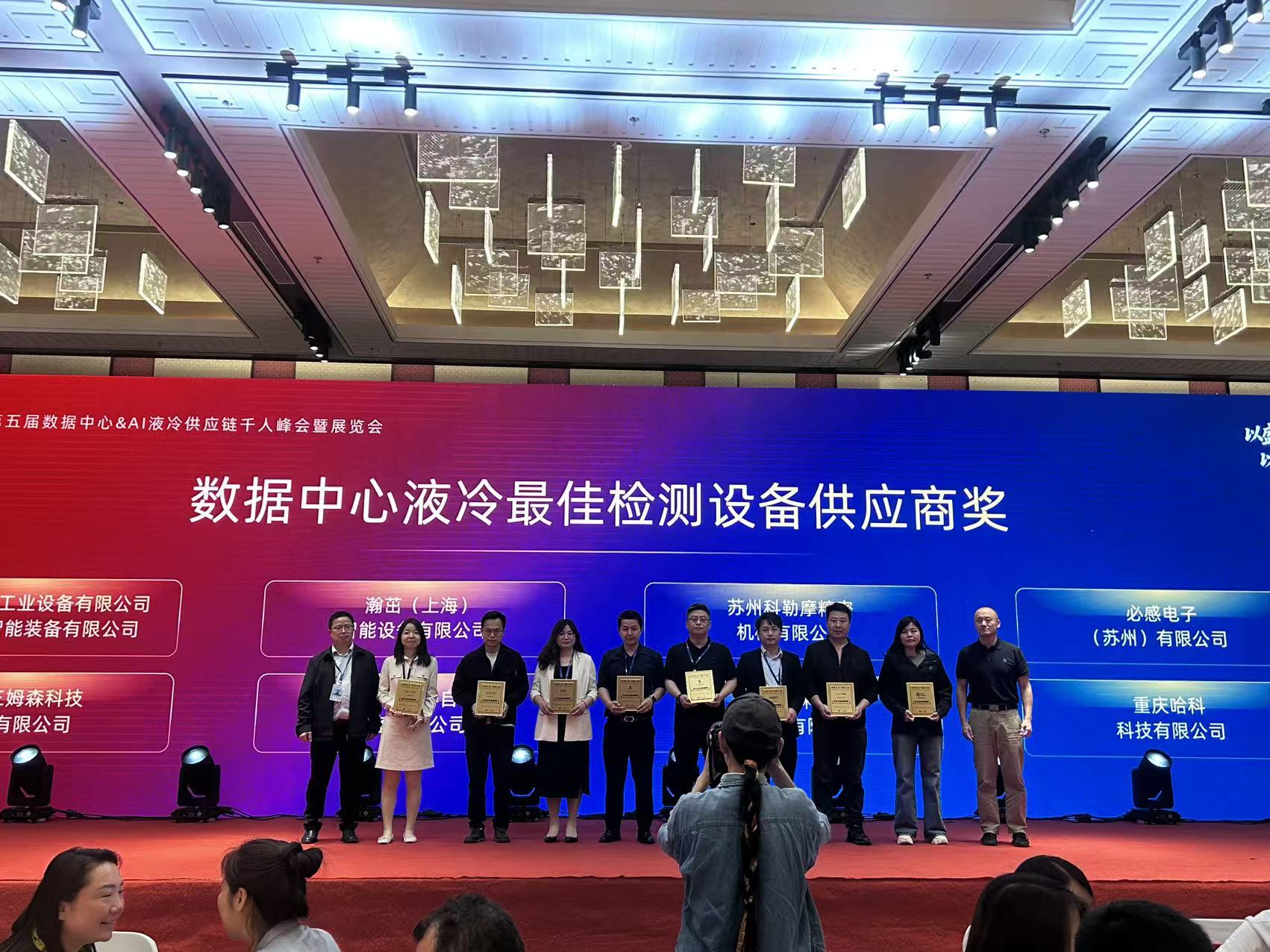
Working with experienced manufacturers such as SuZhou Kolymo Precison Machinery Co.,Ltd. ensures access to customized solutions tailored to specific industrial needs.


8. Benefits of Using Advanced Cleaning Systems

  • Improved heat transfer efficiency
  • Extended equipment lifespan
  • Reduced maintenance costs
  • Enhanced system reliability
  • Lower energy consumption

These benefits translate into significant long-term cost savings and operational stability.


9. Comparison Table of Cleaning Methods

Method Efficiency Best Use Case Cost Level
Mechanical Filtration High Particle removal Low
Ultrasonic Cleaning Very High Deep cleaning Medium
Chemical Cleaning Moderate Oil and residue removal Medium
UV Sterilization High Biological control Low

10. Maintenance Tips for Long-Term Performance

  • Regularly monitor fluid quality
  • Replace filters as scheduled
  • Inspect system components for wear
  • Use compatible cleaning agents
  • Implement automated monitoring systems

Consistent maintenance ensures that cleaning equipment continues to operate effectively and protects the entire cooling system.


FAQ Section

Q1: How often should liquid cooling systems be cleaned?

A: It depends on usage conditions, but regular inspections every 3–6 months are recommended.

Q2: Can contamination really affect cooling efficiency?

A: Yes, even minor impurities can reduce heat transfer efficiency and cause system blockages.

Q3: Is ultrasonic cleaning safe for all systems?

A: It is generally safe but should be used according to system specifications.

Q4: What is the most common cause of contamination?

A: Particulate matter and oil residues are the most common issues.

Q5: How do I know if my system needs cleaning equipment?

A: Signs include reduced cooling performance, increased energy usage, and frequent maintenance issues.


Conclusion

Liquid cooling cleanliness equipment is no longer optional in high-performance industrial environments—it is a necessity. By ensuring fluid purity and preventing contamination, these systems play a critical role in maintaining efficiency, reducing costs, and extending the lifespan of equipment. Investing in the right cleaning solution is a strategic decision that delivers measurable long-term benefits.

If you are looking for reliable, high-quality solutions tailored to your specific needs, SuZhou Kolymo Precison Machinery Co.,Ltd. offers advanced liquid cooling cleanliness equipment designed to meet the demands of modern industries. Contact us today to discover how we can help optimize your system performance and ensure long-term reliability.

Related News
Leave me a message
X
We use cookies to offer you a better browsing experience, analyze site traffic and personalize content. By using this site, you agree to our use of cookies.Privacy Policy
RejectAccept