News

The Importance of Cleanliness Analysis System

2026-05-28 0 Leave me a message

Table of Contents

1. Consolidate Product Safety Bottom Line and Eliminate Faults and Hidden Dangers
2. Optimize Production Quality Control System and Improve Product Quality Consistency
3. Comply with Industrial Compliance Standards and Meet Market Access Requirements
4. Reduce Enterprise Production Costs and Improve Operational Benefits
5. Empower Intelligent Manufacturing Upgrading and Strengthen Core Enterprise Competitiveness
6. Conclusion


1. Consolidate Product Safety Bottom Line and Eliminate Faults and Hidden Dangers


   Tiny contaminants are one of the core causes of failures in high-end precision products. Relevant industrial data shows that over 80% of early system failures of industrial products stem from substandard cleanliness of parts. In precision manufacturing scenarios, tiny impurities such as metal debris, dust, fibers and oil stains, though seemingly insignificant, will cause irreversible damage to precision components. In the automotive industry, fine particles in engines, fuel injectors, braking systems and battery components will aggravate component wear, block oil and circuit pipelines, and trigger vehicle failures, brake failure, battery short circuits and other safety problems. In the medical device industry, insoluble particles remaining in infusion appliances and sterile devices may lead to vascular blockage, infection, sepsis and other medical risks for patients. In aerospace and hydraulic systems, impurities in medium fluids will undermine the sealing performance and operational stability of the system, easily causing equipment shutdown and precision system failures, and further resulting in major safety accidents.

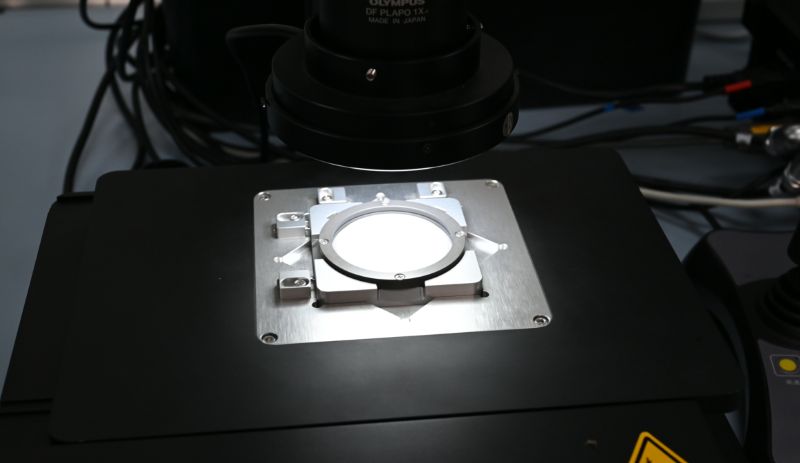
   The cleanliness analysis system enables accurate analysis of the particle size, quantity and composition of impurities, comprehensively investigates microscopic pollution problems, eliminates unqualified products from the source, and prevents product failures, potential safety hazards and quality accidents caused by substandard cleanliness. It consolidates a solid safety foundation for the long-term stable operation of products and ensures end-user safety.


2. Optimize Production Quality Control System and Improve Product Quality Consistency


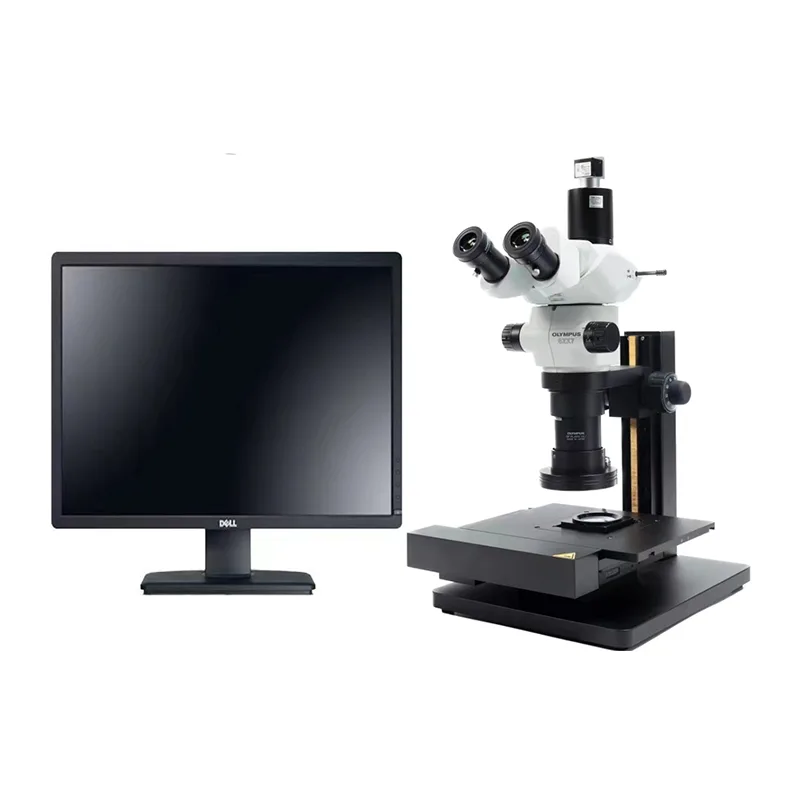
   Traditional cleanliness detection relies on manual observation and simple equipment sampling inspection, which has many drawbacks including large subjective errors, single detection dimension, high missing detection rate and low efficiency. In addition, the judgment standards vary among different operators and production batches, easily leading to uneven product quality and frequent batch quality fluctuations. Adopting automatic sensing, microscopic imaging and big data analysis technologies, the cleanliness analysis system realizes standardized, intelligent and fully quantified cleanliness detection. It can accurately capture micron-level and even nanometer-level impurities and output quantitative data such as particle quantity, particle size distribution and impurity types. The detection results are objective, accurate and traceable, completely avoiding subjective deviations in manual detection.

   Meanwhile, the system supports full-process detection covering raw material warehousing, production and processing, and finished product delivery, realizing full-chain cleanliness control of production and breaking the limitations of traditional terminal sampling inspection. Through regular and standardized cleanliness monitoring, it unifies the quality judgment standards of the entire production line, effectively avoids batch quality defects, greatly improves the overall quality stability and consistency of products, and helps enterprises achieve refined quality control management.


3. Comply with Industrial Compliance Standards and Meet Market Access Requirements


   At present, various high-end manufacturing industries have formulated stringent cleanliness control standards, and qualified cleanliness has become a rigid threshold for enterprise production, operation and product market circulation. The automotive industry must strictly follow ISO 16232 and VDA 19 part cleanliness standards, hydraulic oil detection complies with ISO 4406 standards, and the pharmaceutical industry adopts USP 788 standards. Moreover, multiple industrial regulations such as the latest Good Manufacturing Practice (GMP) and medical device production specifications mandatorily require enterprises to establish a regular cleanliness monitoring mechanism and carry out high-frequency dynamic monitoring of core production processes.

   The cleanliness analysis system can accurately match official standards of various industries and generate compliant and traceable detection reports and data ledgers. It helps enterprises pass industrial qualification audits, third-party quality inspections and customer factory audits smoothly, ensuring products can enter domestic and foreign markets. For export-oriented enterprises and high-end supporting enterprises, a standardized cleanliness detection system is an essential condition for connecting high-end supply chains and participating in market competition. It can effectively avoid compliance risks and prevent production suspension and rectification, product removal from shelves and qualification revocation caused by substandard standards.


4. Reduce Enterprise Production Costs and Improve Operational Benefits


   Inadequate cleanliness control will bring high implicit costs to enterprises, including product rework and scrap costs, after-sales maintenance costs, customer compensation costs and brand loss costs. Under the traditional production mode, cleanliness defects are usually exposed after products are delivered and put into use. Batch failures will lead to large-scale rework, product recalls and after-sales compensation for enterprises, which not only increase material and labor losses but also cause serious economic losses.

   The cleanliness analysis system realizes advance prevention and control of cleanliness problems, timely detects abnormal pollution during production, and quickly locates pollution sources. It helps enterprises optimize cleaning processes, production procedures and material management in a targeted manner, reducing the output of unqualified products from the source and greatly lowering rework and scrap rates. Meanwhile, massive cleanliness data accumulated by the system can generate trend analysis reports, providing data support for production process optimization, equipment operation and maintenance, and material management, continuously improving the production yield and reducing production losses and after-sales costs. In addition, automatic detection replaces manual detection, which greatly improves quality inspection efficiency, reduces labor investment in quality inspection, effectively cuts down enterprise labor management costs, and achieves multiple values of quality improvement, efficiency increase and cost reduction.


5. Empower Intelligent Manufacturing Upgrading and Strengthen Core Enterprise Competitiveness


   Against the background of industrial intelligent transformation, refined and digital quality control is the core direction of manufacturing enterprise transformation and upgrading. Different from the traditional passive quality inspection mode, the cleanliness analysis system builds an active prevention and control system of "real-time monitoring, data analysis, abnormal early warning and process optimization", promoting the transformation of cleanliness management from empirical and manual mode to digital and intelligent mode, and serving as an important part of the enterprise intelligent manufacturing system.

   The system can retain full-process detection data in real time to form a complete quality data file, which not only meets the needs of production traceability management, but also provides core data support for enterprise production iteration, technological upgrading and quality improvement. In an increasingly competitive market, stable cleanliness quality control capability is a core competitive advantage of high-end parts and precision equipment manufacturing enterprises. It helps enterprises improve product reputation, enhance customer trust, stabilize high-end market share, and support the high-quality and sustainable development of enterprises.


6. Conclusion

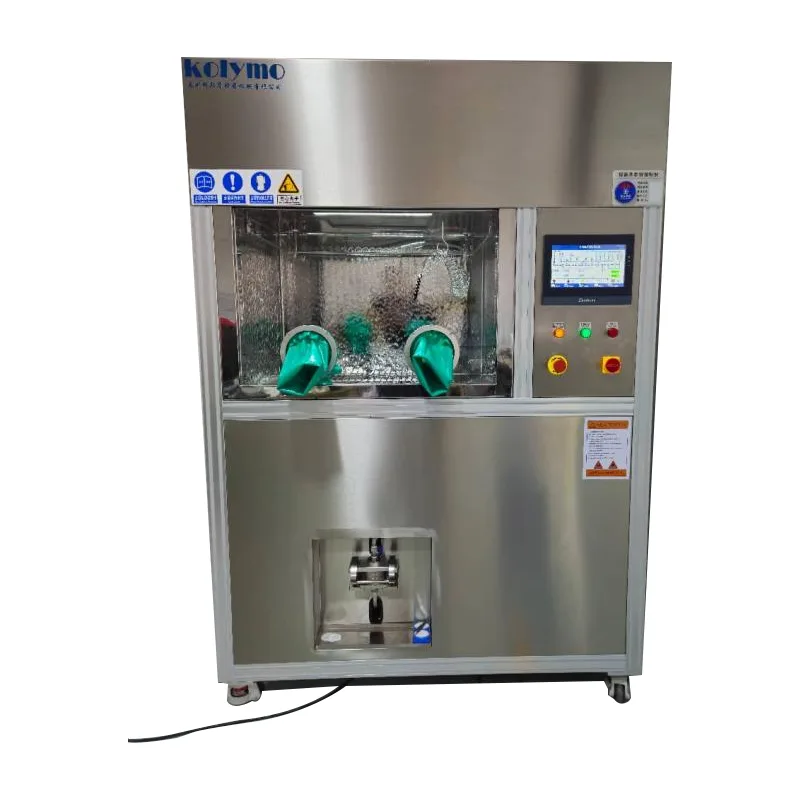
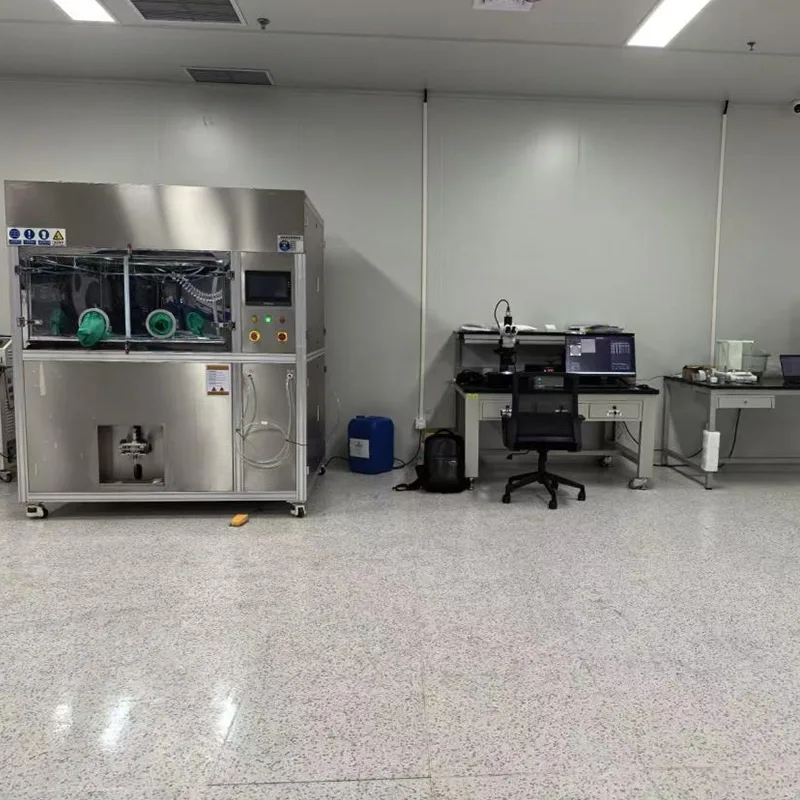
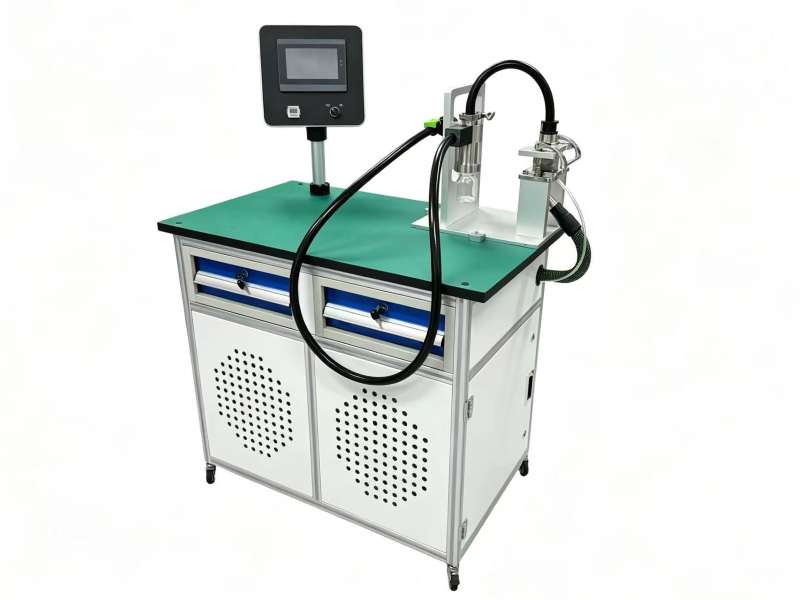
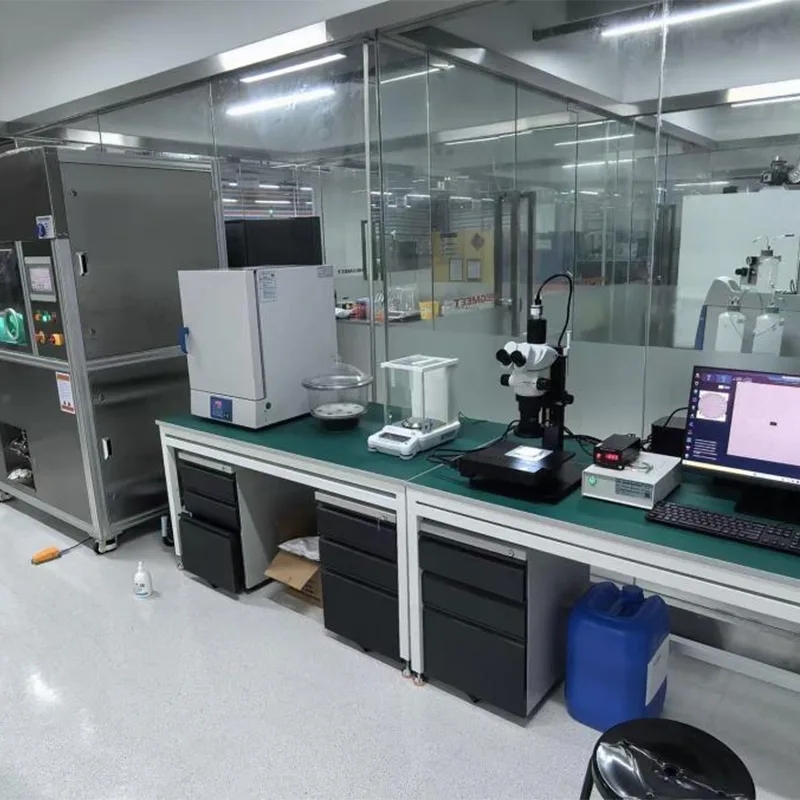
  In summary, the cleanliness analysis system is a core infrastructure for high-end manufacturing industries to control quality, operate compliantly, reduce costs and improve efficiency, and upgrade intelligence. It runs through the entire product production process and serves as an essential guarantee for the high-quality development of the precision manufacturing field. With years of in-depth industry experience and technological accumulation, Kelemo has developed a complete set of professional, standardized and intelligent cleanliness analysis solutions. Its self-developed cleanliness analysis system strictly complies with mainstream industrial standards including ISO 16232, VDA 19 and ISO 4406, and adopts high-precision imaging and intelligent analysis technology to accurately identify metal, non-metal and fiber impurity particles, realizing automatic scanning, data analysis and compliant report generation. Compared with traditional detection equipment, Kelemo’s cleanliness system boasts patented technological advantages, stable equipment performance and comprehensive supporting services. It is adaptable to multiple industrial detection scenarios such as automobiles, new energy, aerospace and medical devices, and supports customized solution development, dust-free laboratory construction and full-cycle after-sales technical support. Featuring compliance, reliability, high efficiency, accuracy, cost reduction and quality improvement, Kelemo helps manufacturing enterprises build a full-chain cleanliness quality control system, eliminate product quality hidden dangers from the source, reduce production and operation costs, assist enterprises in consolidating quality advantages, meeting market compliance requirements, accelerating intelligent manufacturing transformation and upgrading, and continuously enhancing core industrial competitiveness and market discourse power.


Related News
Leave me a message
X
We use cookies to offer you a better browsing experience, analyze site traffic and personalize content. By using this site, you agree to our use of cookies. Privacy Policy
Reject Accept