1.Definition & Overview
2.Purposes and Significance of Testing
3.Common Types of Detected Contaminants
4.Core Testing Methods
4.1 Gravimetric Method (Weighing Analysis)
4.2 Microscopic Analysis
4.3 Chemical Analysis
5.Main Industry Standards
6.Major Application Fields
7.Standard Testing Procedures
8.Conclusion
1. Definition & Overview
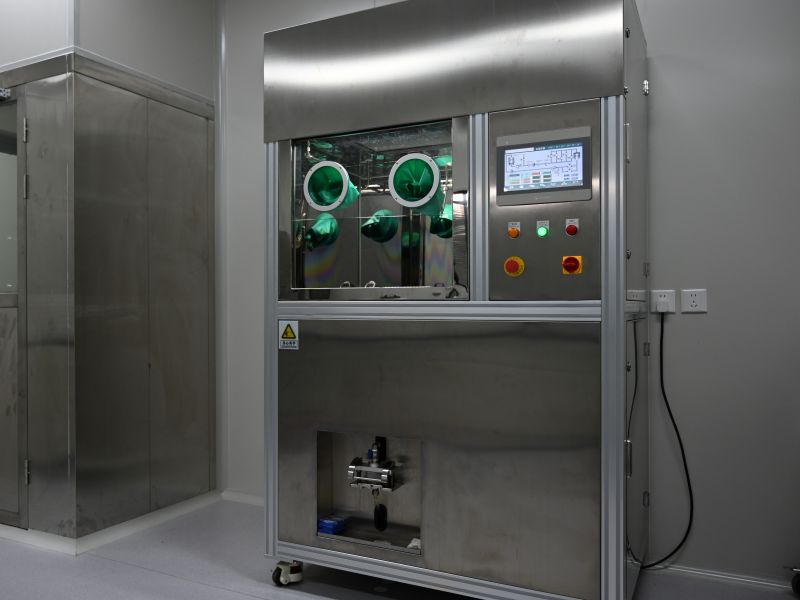
Cleanliness testing refers to a technical process of detecting, quantifying and analyzing residual contaminants (solid particles, oil stains, fibers, ionic residues, etc.) on the surface of industrial components and products. Its core objective is to ensure the surface cleanliness of products complies with industrial specifications and customers' technical requirements.
2. Purposes and Significance of Testing
· Quality Control: Verify the actual performance of cleaning processes such as ultrasonic cleaning and spray cleaning to manage production quality.
· Failure Risk Prevention: Effectively avoid malfunctions including oil circuit blockage, bearing wear and circuit short circuits of components, and extend product service life.
· Compliance Conformity: Meet dedicated industry standards and customized technical specifications from clients in automotive, aerospace, medical and other sectors.
· Process Optimization: Trace the sources of contaminants, optimize production, processing and cleaning processes in a targeted manner, and reduce defective rates.
3. Common Types of Detected Contaminants
· Solid Particle Contaminants: Metal chips, dust, fibers, grinding residues, gravel and other impurities.
· Film Residues: Organic films such as processing oil, lubricants, paraffin and cleaning agent residues.
· Ionic Contaminants: Salts, flux residues, etc. They severely affect the reliability of electronic products and serve as a key testing item in the electronics industry.
4. Core Testing Methods
4.1 Gravimetric Method (Weighing Analysis)
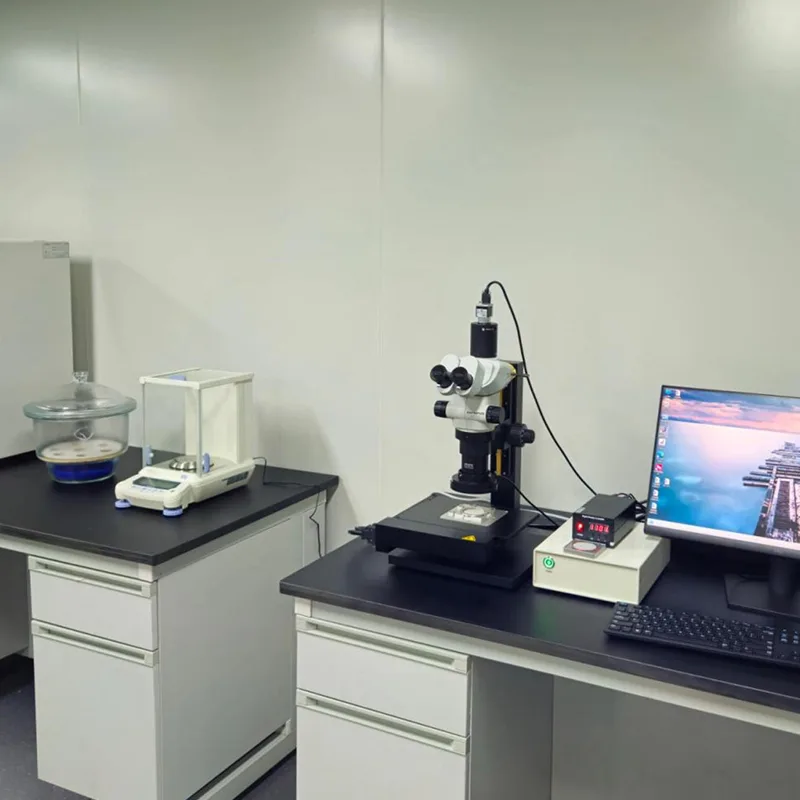
It is the most fundamental and universal quantitative testing method. Contaminants on component surfaces are collected via spraying, ultrasonic extraction and other means. The extract is filtered through a pre-weighed microporous membrane. The membrane is dried and weighed again, then the total mass of contaminants per unit area is calculated (common unit: mg/1000cm²).
4.2 Microscopic Analysis
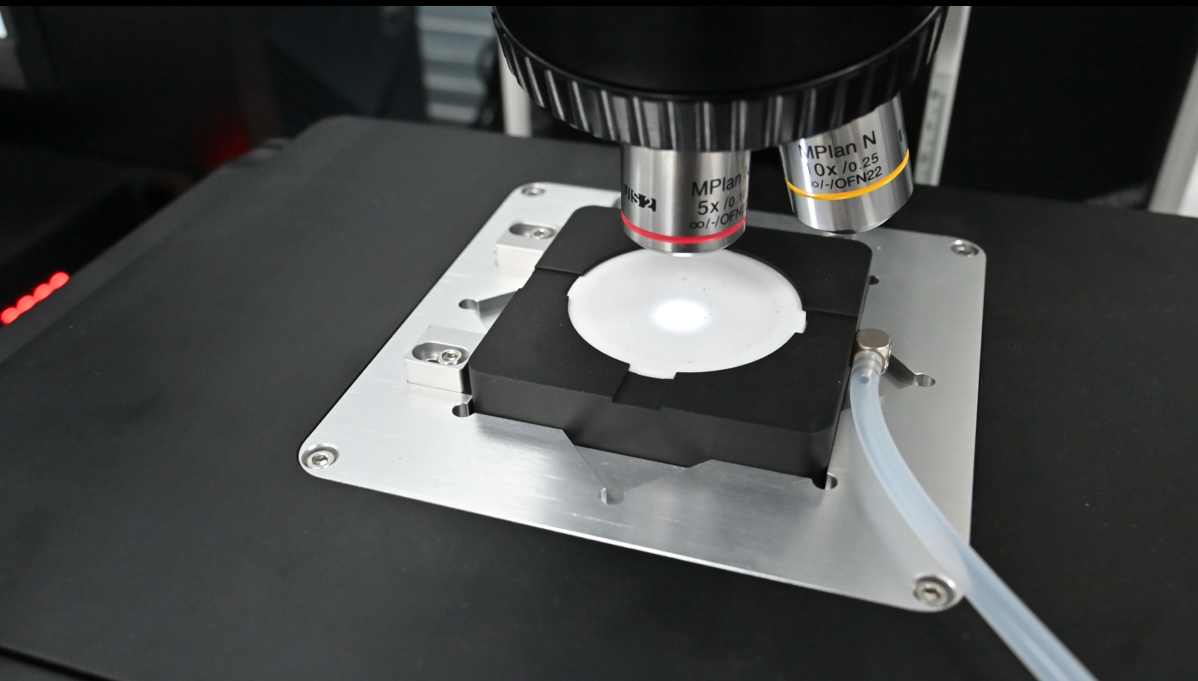
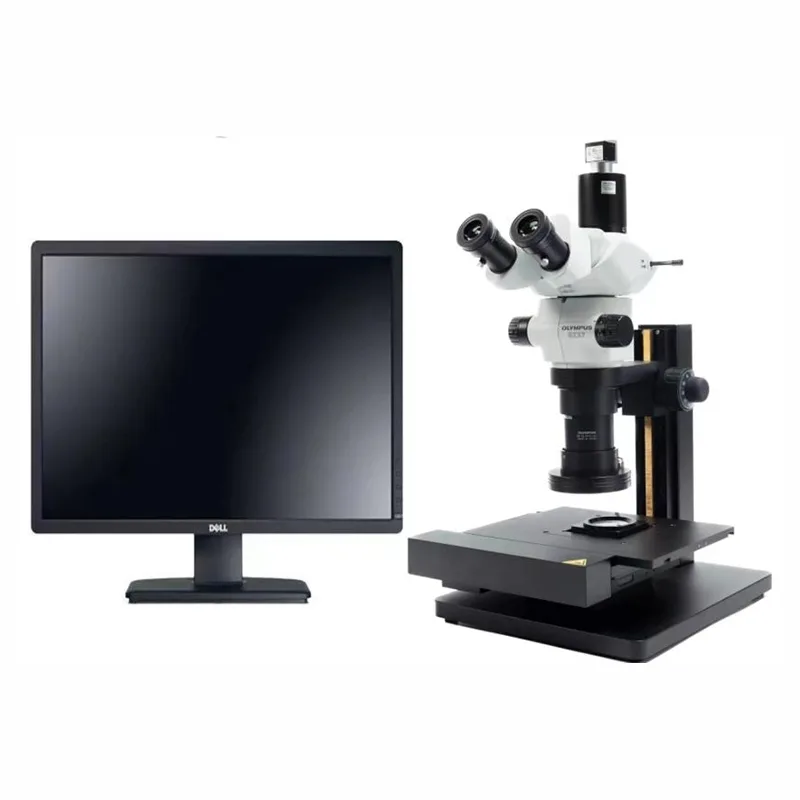
· Optical Microscopy: Count particles on the filter membrane, analyze particle size distribution, and screen oversized harmful particles (e.g. particles ≥50μm).
· SEM-EDS (Scanning Electron Microscope with Energy Dispersive Spectroscopy): Achieve ultra-high magnification imaging to accurately analyze elemental composition of particles, distinguish metallic and non-metallic impurities, and identify pollution sources.
4.3 Chemical Analysis
· TOC (Total Organic Carbon) Test: Precisely measure the content of organic contaminants such as residual oil and cleaning agents.
· FTIR (Fourier Transform Infrared Spectroscopy): Identify compositions of organic residual films including grease and macromolecular polymers.
· Ion Chromatography: Detect residual harmful ions such as chloride ions and sulfate radicals, widely applied in testing of precision electronics and high-end components.
5. Main Industry Standards
· Automotive Industry: ISO 16232, VDA 19.1 (core prevailing standards)
· Aerospace Industry: AS9100, GB/T 39095
· Medical Industry: ISO 13408-2
· National Standard of China: GB/T 41481-2022 (identical to ISO 16232)
6. Major Application Fields
This technology is widely used in precision manufacturing with strict cleanliness requirements, covering: Automotive engine parts, fuel injectors and brake components; aerospace hydraulic valves, bearings and fuel system parts; electronic products such as PCB boards, precision connectors and sensors; medical implant devices and surgical instruments; core components of new energy batteries and motors.
7. Standard Testing Procedures
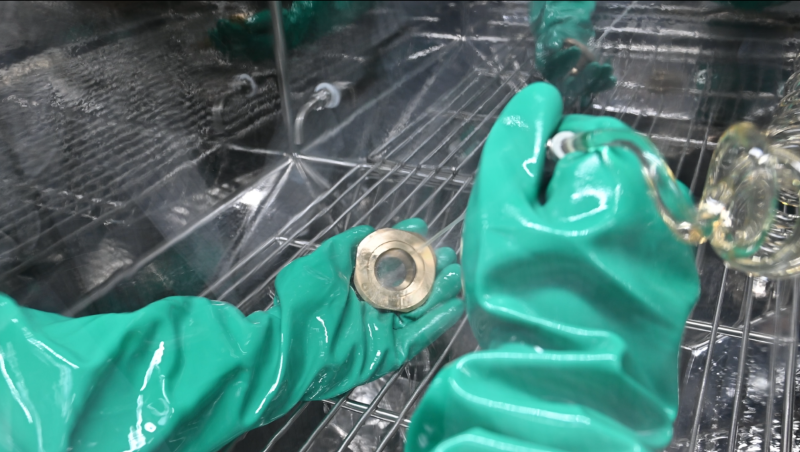
· Contaminant Extraction: Collect all residual contaminants on component surfaces by liquid spraying, ultrasonic oscillation and other methods.
· Filtration and Enrichment: Filter the extract with microporous membranes to intercept all solid impurities and residues.
· Itemized Testing & Analysis: Test the total mass of contaminants via gravimetric method; count particle quantity and measure particle size under a microscope; analyze contaminant composition with SEM-EDS, FTIR and other equipment.
· Result Evaluation & Report Issuance: Compare test data with industrial standards and technical limits to judge product cleanliness qualification, and issue official test reports.
8. Conclusion
As a core quality control measure in the precision manufacturing industry, cleanliness testing effectively eliminates harmful residual impurities on components and removes potential product failure risks. It directly determines the reliability, safety and service life of products, and has become a mandatory quality inspection procedure for high-end manufacturing sectors including automotive, aerospace, medical treatment, precision electronics and new energy.
We use cookies to offer you a better browsing experience, analyze site traffic and personalize content. By using this site, you agree to our use of cookies.
Privacy Policy