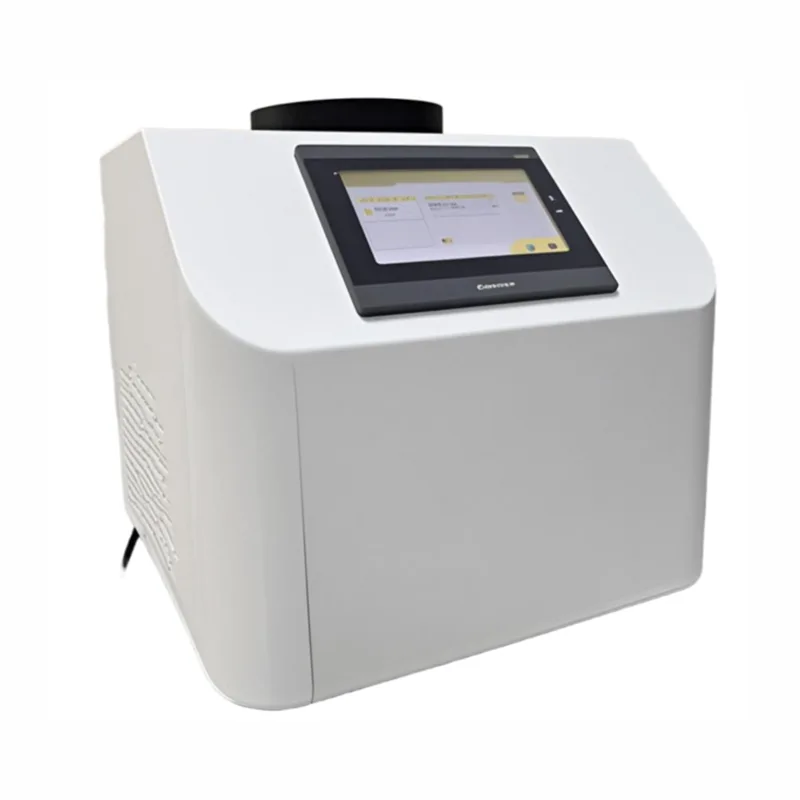
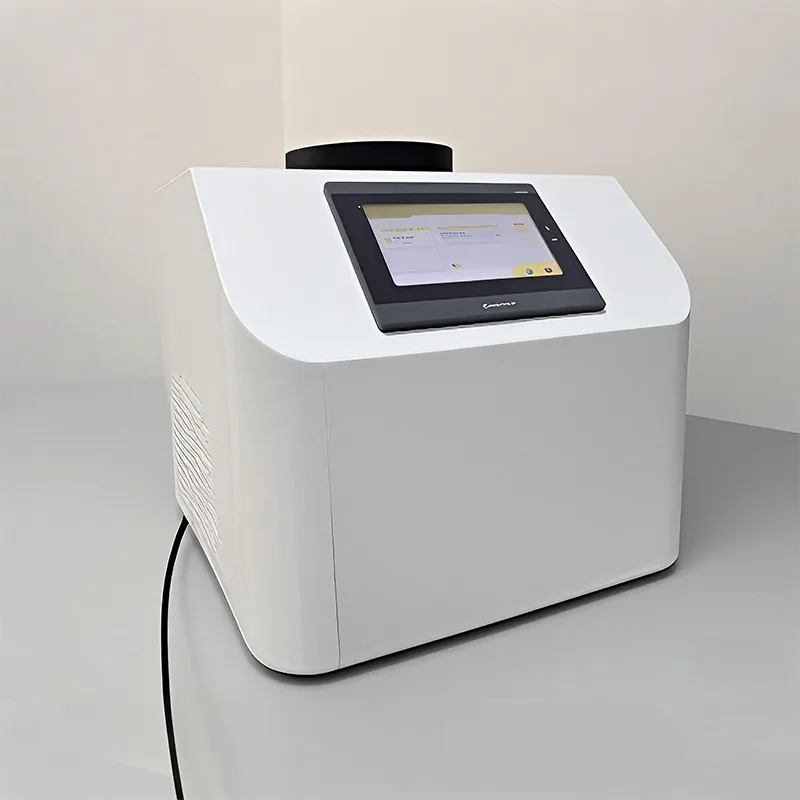
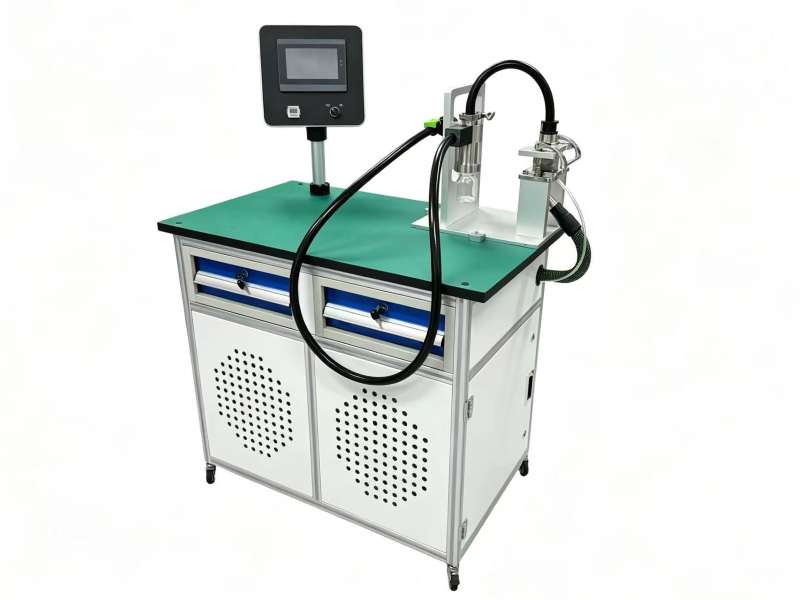
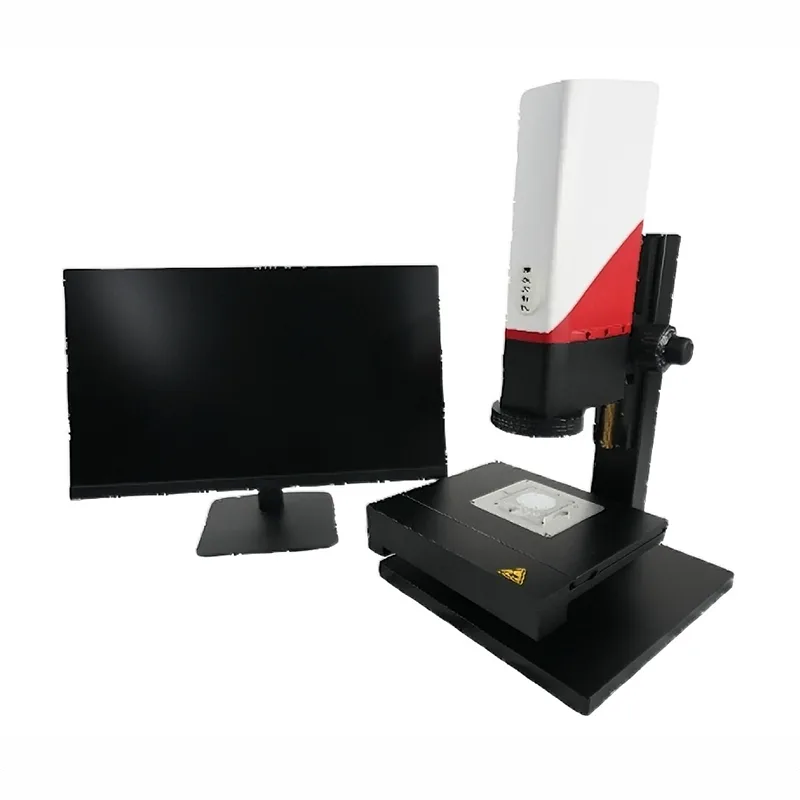
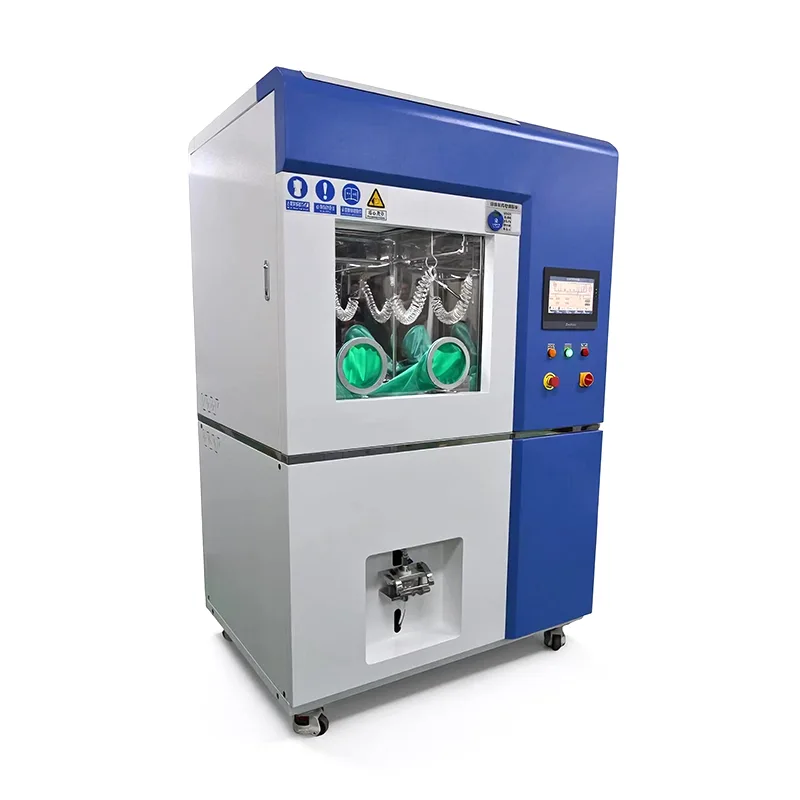
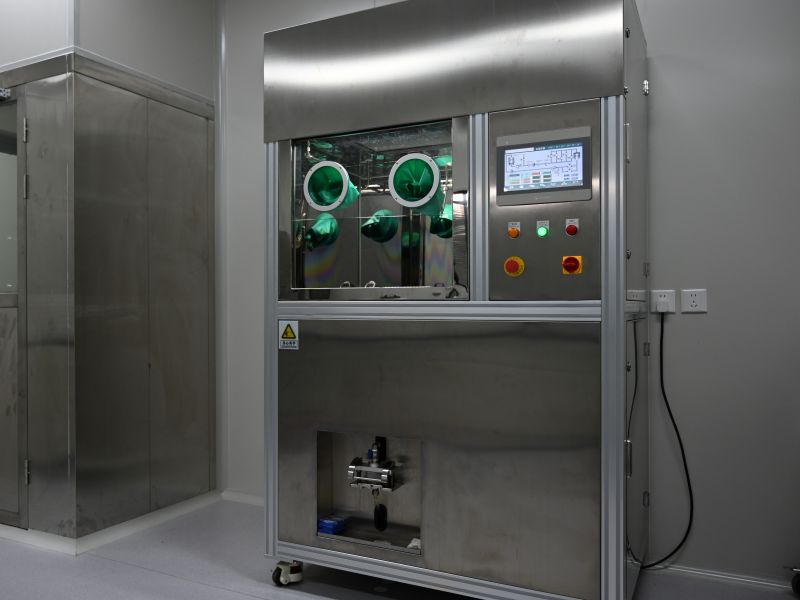
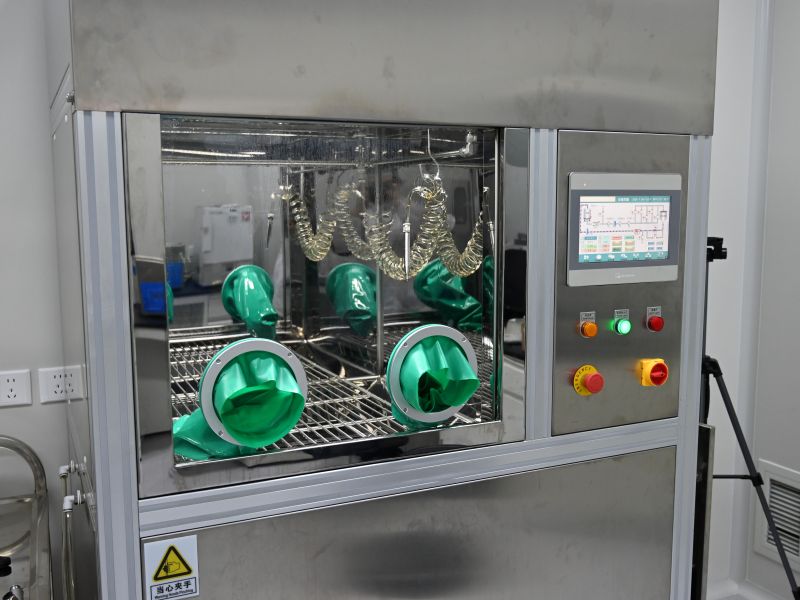
Particle Detection Filter Membrane Rapid Drying Equipment from Kelemo is designed to accelerate the drying and cooling stage of filter membrane preparation after particle extraction and cleanliness testing. The equipment combines controlled heating, temperature management, and rapid cooling to help laboratories obtain filter membranes ready for subsequent weighing or particle analysis with less waiting time.
In technical cleanliness testing, the filter membrane is an important part of the measurement process because particles extracted from a component can be collected on the membrane for subsequent evaluation. Traditional oven drying can introduce a relatively long drying and cooling cycle, making membrane preparation a potential bottleneck in high-frequency testing workflows. Kelemo developed this equipment to address that process step and support more standardized membrane preparation.
When a filter membrane has retained moisture after the extraction process, its measured weight may not represent a stable dry condition. For gravimetric cleanliness analysis, the membrane needs to reach a sufficiently stable condition before weighing so that the measured mass can be used reliably in the evaluation process.
Drying temperature, drying duration, cooling conditions, membrane type, laboratory environment, and weighing balance performance can all influence the repeatability of membrane measurements.
Particle detection is not completed immediately after extraction. A typical workflow can involve particle extraction, filtration, membrane drying, cooling or temperature equilibration, weighing, and particle analysis. If membrane drying takes too long, the entire testing cycle becomes slower.
Kelemo positions its rapid drying equipment as a dedicated solution for this stage, helping laboratories reduce the time between membrane filtration and subsequent measurement.
| Parameter | Specification / Configuration | Buyer Consideration |
|---|---|---|
| Product Name | Particle Detection Filter Membrane Rapid Drying Equipment | Dedicated equipment for filter membrane drying and cooling |
| Brand | Kelemo | Cleanliness testing equipment manufacturer |
| Primary Function | Filter membrane drying and cooling | Supports particle detection and cleanliness analysis workflows |
| Temperature Control | Precisely controlled heating | Helps maintain repeatable drying conditions |
| Cooling Function | Integrated rapid cooling | Reduces waiting time before weighing or analysis |
| Control Method | Programmable operation | Supports repeatable testing procedures |
| Application | Automotive, pharmaceutical, semiconductor, environmental, and precision manufacturing laboratories | Suitable for cleanliness and particle testing workflows |
| Standards Support | Suitable for workflows aligned with ISO 16232 and VDA 19.1 | Final compliance depends on the complete testing procedure |
| Manufacturer | SuZhou Kolymo Precision Machinery Co., Ltd. | Factory-based R&D, production, testing, and after-sales support |
Exact heating temperature, drying time, cooling time, chamber capacity, electrical specification, and other technical parameters should be confirmed with Kelemo according to the required configuration and application.
After a cleanliness extraction procedure, the liquid containing extracted particles is passed through a filter membrane. The membrane captures particulate contamination separated from the tested component.
The membrane then needs to be prepared for the next measurement stage. Depending on the testing method, the membrane may be weighed for gravimetric analysis or transferred to a particle analysis system for microscopic or automated particle counting.
The membrane is placed into the drying equipment, where controlled heating helps remove residual moisture. Compared with leaving the membrane to dry under uncontrolled laboratory conditions, a dedicated drying system provides a more defined process environment.
Temperature control is particularly important because excessive heating can affect the membrane or contaminants, while insufficient drying can extend the preparation time.
Drying alone does not necessarily mean that the membrane is immediately ready for weighing. The membrane may need to cool or equilibrate before measurement so that temperature differences do not interfere with the weighing process.
Kelemo integrates drying and cooling functions into one equipment workflow, reducing the need to move the membrane between separate devices during preparation.
Traditional laboratory ovens can require extended drying and cooling periods. A dedicated rapid drying system is designed to shorten this stage and improve the efficiency of the overall cleanliness testing workflow.
This is particularly useful for laboratories that process multiple filter membranes throughout the working day.
Manual or uncontrolled drying can be affected by ambient temperature, humidity, airflow, and operator practices. Controlled equipment can provide more repeatable heating conditions and programmed processing parameters.
Better process consistency can help laboratories establish more standardized membrane preparation procedures.
When drying and cooling require significant manual waiting, laboratory personnel may need to repeatedly check the membrane before proceeding with the next test. A programmed drying and cooling process can reduce unnecessary intervention and make testing schedules easier to manage.
Filter membrane drying is one stage within a larger cleanliness testing workflow. Kelemo also supplies cleanliness extraction equipment and particle analysis systems, allowing users to consider the drying process together with extraction and analysis requirements.
Automotive components can contain particulate contamination that needs to be evaluated during manufacturing and quality control. Cleanliness testing is used for components and systems where residual particles may affect performance or reliability.
Kelemo provides cleanliness testing solutions for automotive components, including engine, brake, transmission, and new-energy vehicle components.
New energy manufacturing involves components with strict contamination-control requirements. Particle extraction and filter membrane analysis can be incorporated into laboratory cleanliness procedures for selected battery and electric-drive components.
A dedicated membrane drying system can help laboratories process samples more efficiently when cleanliness inspection is performed frequently.
Precision manufacturing environments often have strict contamination-control requirements. Particle detection and cleanliness analysis can be used to identify contamination introduced during manufacturing, cleaning, assembly, or handling.
The drying equipment can serve as part of the sample preparation stage before subsequent membrane measurement and analysis.
Particle inspection is also relevant to pharmaceutical and laboratory environments where particulate contamination needs to be evaluated according to the applicable test method.
The appropriate membrane type, drying conditions, cleanliness controls, and validation procedure should be determined according to the specific pharmaceutical testing protocol rather than relying solely on equipment settings.
Filter membranes are widely used to collect particles from liquid or other sampled media. Rapid drying equipment can support laboratories that need to prepare membranes for subsequent weighing or analytical inspection.
Gravimetric analysis relies on the comparison of membrane mass under defined conditions. Residual moisture can influence the measured value, which is why controlled drying and temperature equilibration are important considerations.
For cleanliness testing, the objective is not simply to dry the membrane as quickly as possible. The drying process should achieve a stable condition without compromising the integrity of the membrane or the collected contamination.
Laboratory temperature and humidity can influence membrane behavior and weighing stability. Even with rapid drying equipment, the laboratory should maintain appropriate environmental controls and follow the applicable test procedure.
Balance resolution, calibration, membrane selection, drying temperature, drying time, and environmental conditions should be considered together when establishing a gravimetric cleanliness method.
Precise temperature management is one of the most important characteristics of a membrane drying system. Buyers should evaluate temperature accuracy, stability, adjustment range, and control method according to the required testing procedure.
The required drying time depends on membrane material, moisture load, temperature, airflow, and other process conditions. A rapid drying system should be evaluated using actual sample conditions rather than relying only on a nominal cycle time.
Rapid cooling is important when membranes need to reach a suitable condition for weighing or analysis shortly after drying. Buyers should consider both the heating stage and the time required for the membrane to reach the required measurement condition.
Cleanliness testing equipment should not introduce additional particles that could interfere with the test result. The internal structure, materials, cleaning procedure, airflow characteristics, and laboratory environment should therefore be considered during equipment selection.
A straightforward control interface can reduce operator variation. Programmable settings are useful when laboratories need to repeat the same drying procedure for multiple batches of filter membranes.
Repeated tests should use consistent drying parameters whenever the same membrane and testing method are applied. Establishing documented procedures for temperature, time, cooling, and membrane handling can improve repeatability between operators and batches.
Temperature control and other critical equipment functions should be verified according to the laboratory's quality management system. Regular inspection and maintenance can help identify deviations before they affect testing workflows.
Filter membranes should be handled carefully before and after drying. Contact with contaminated tools, work surfaces, or operators can introduce particles and potentially affect cleanliness results.
Appropriate handling procedures should therefore be established alongside the equipment operating procedure.
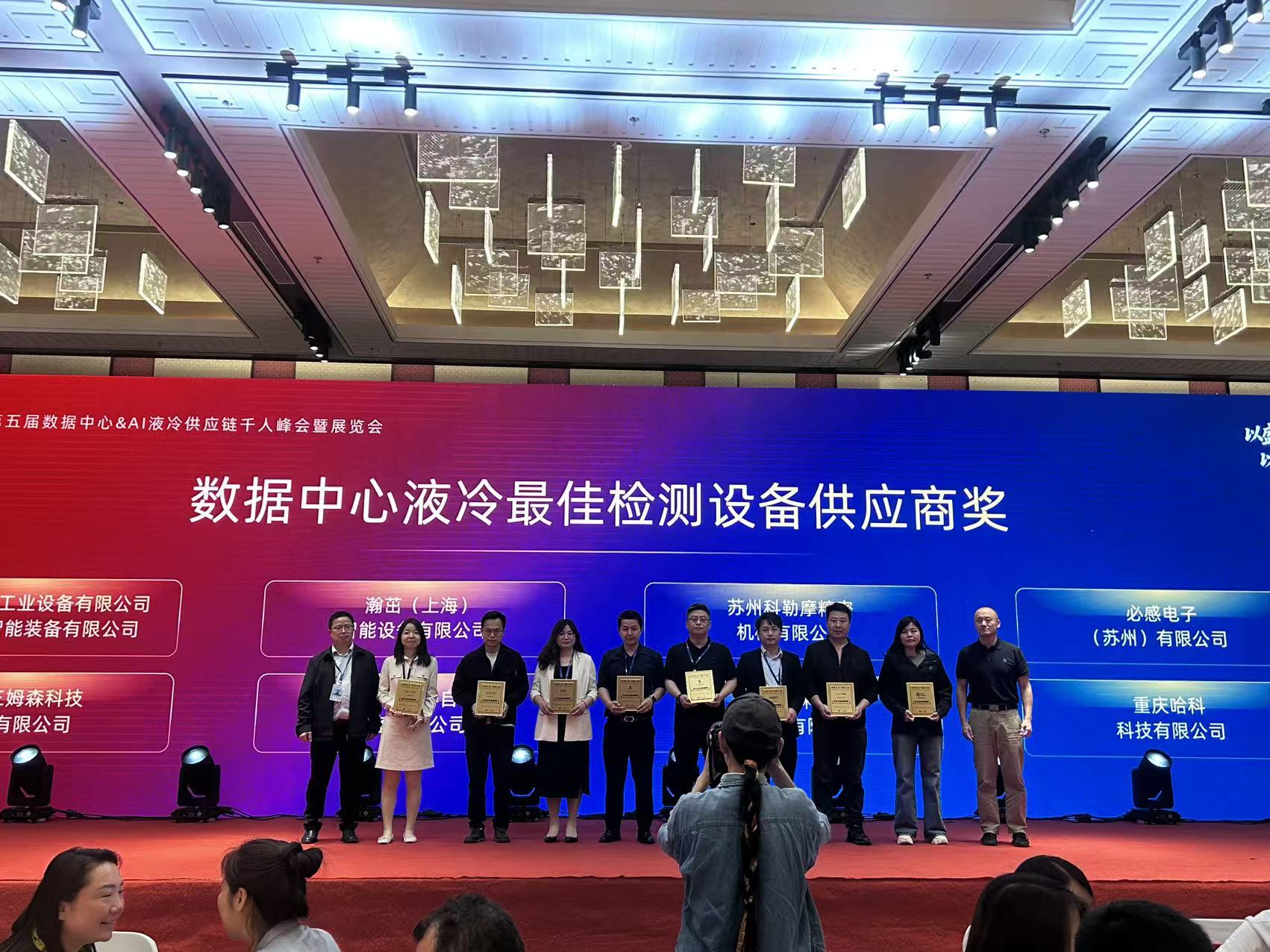
Kelemo, operated by SuZhou Kolymo Precision Machinery Co., Ltd., focuses on the research, development, manufacturing, customization, and service of cleanliness testing equipment. The company's product range includes cleanliness extraction equipment, cleaning machines, particle analysis systems, and filter membrane drying equipment.
Kelemo states that it has nearly a decade of industry experience, more than 500 customers, and more than 15 patents, with its operations covering R&D, production, testing, and after-sales service.
Kelemo develops cleanliness testing equipment for applications associated with ISO 16232 and VDA 19.1. These standards are widely referenced in technical cleanliness testing, particularly in the automotive and component manufacturing sectors.
Actual compliance depends on the complete testing system, sample preparation method, laboratory conditions, equipment configuration, and implementation of the applicable standard.
Different laboratories may have different membrane sizes, throughput requirements, testing protocols, and integration needs. Kelemo provides customization covering equipment configuration, automation level, testing protocols, software integration, and related cleanliness laboratory solutions.
The drying chamber and membrane contact areas should be kept clean according to the manufacturer's recommended maintenance procedure. Accumulated dust or residue can create an avoidable contamination risk.
Operators should periodically verify that the equipment reaches and maintains the programmed temperature. Unexpected temperature deviations should be investigated before continuing critical testing.
The cooling stage should be checked regularly to ensure that membranes can reach the required measurement condition within the expected process time.
Routine maintenance should cover electrical components, heating elements, sensors, control systems, cooling components, and other equipment-specific parts according to the manufacturer's maintenance recommendations.
| Item | What Buyers Should Confirm |
|---|---|
| Application | Particle detection, technical cleanliness testing, or gravimetric analysis |
| Membrane Type | Material, diameter, thickness, and compatibility |
| Drying Temperature | Required temperature range and control accuracy |
| Drying Time | Target cycle time under actual sample conditions |
| Cooling | Cooling method and time to reach measurement condition |
| Control | Manual, programmable, or automated operation |
| Cleanliness | Internal contamination-control and cleaning requirements |
| Standards | Applicable ISO 16232, VDA 19.1, or internal procedures |
| Laboratory Throughput | Number of membranes processed per testing cycle |
| Integration | Compatibility with extraction, weighing, and particle analysis systems |
| Documentation | Technical specifications, calibration, inspection, and operating documents |
| Service | Installation, training, maintenance, spare parts, and after-sales support |
It is used to dry and cool filter membranes after particle extraction or cleanliness testing. The prepared membrane can then be used for weighing, particle counting, microscopic inspection, or other applicable analytical procedures.
A dedicated system is designed specifically around the membrane preparation workflow and can integrate controlled drying with cooling. This can reduce process waiting time and improve the repeatability of membrane preparation compared with less specialized drying procedures.
Yes. Kelemo develops cleanliness testing equipment for automotive component applications and workflows associated with ISO 16232 and VDA 19.1. The final testing method should be configured according to the applicable standard and the customer's internal cleanliness specification.
A properly controlled drying procedure should be designed to remove residual moisture while preserving the filter membrane and collected contamination. Drying temperature and time should be established according to the membrane material and testing method.
Cooling or temperature equilibration can be important before gravimetric measurement because the membrane should reach a suitable and stable measurement condition. Integrating cooling into the drying system can reduce the waiting period between drying and weighing.
Yes. Kelemo provides customized cleanliness testing solutions covering equipment configuration, automation, testing protocols, and related laboratory requirements. The exact customization should be determined according to the membrane specification, testing throughput, and laboratory workflow.
Particle Detection Filter Membrane Rapid Drying Equipment addresses an often-overlooked stage of cleanliness testing: preparing the filter membrane for reliable and efficient measurement. By combining controlled drying with rapid cooling, the equipment can help laboratories reduce membrane preparation time and establish a more repeatable workflow.
For automotive, new energy, semiconductor, pharmaceutical, environmental, and precision manufacturing laboratories, equipment selection should consider drying temperature, cycle time, cooling performance, membrane compatibility, contamination control, testing standards, throughput, and integration with the existing cleanliness analysis process.
With experience in cleanliness extraction, particle analysis, and related testing equipment, Kelemo can provide equipment and customized solutions for laboratories seeking to improve filter membrane preparation efficiency while maintaining controlled testing conditions.
No. 225 Huajin Road, Tong'an Town, Huqiu District, Suzhou City, Jiangsu Province, China
Copyright © 2026 SuZhou Kolymo Precison Machinery Co.,Ltd. All Rights Reserved. Links| Sitemap| RSS| XML| Privacy Policy