News

The Invisible Guardian of Cleanliness: A Complete Guide to Cleanliness Testing Equipment

2026-06-11 0 Leave me a message

Table of Contents

1. What is Cleanliness? More Than Being Visibly Clean
2. Core Working Principles of Cleanliness Testing Equipment: Capturing Invisible Impurities
3. Classification of Mainstream Cleanliness Testing Equipment
4. Application Fields: Where Cleanliness Testing Equipment Works
5. Common Public Misconceptions about Cleanliness Testing
6. Operation and Maintenance Guidelines for Testing Equipment
7. Conclusion: Micro Cleanliness, the Hidden Foundation of National Product Quality


1. What is Cleanliness? More Than Being Visibly Clean

Daily cleanliness means no visible stains to the naked eye, while professional cleanliness is a standardized quantitative concept. It refers to the total amount, particle size and composition grade of residual particles, oil contaminants, microorganisms and chemical residues on the surface of solid workpieces, inside liquid media and enclosed spaces, subject to unified global evaluation standards.Two dominant universal industrial standards are adopted currently: VDA 19.1 for the automotive industry and ISO 16232 for general industrial parts, while exclusive microbial cleanliness standards apply to the food and medical sectors. Pollutants are classified into two categories:

a.Hard Particle Contaminants: Metal chips, sand, dust, welding slag, mostly generated during processing, assembly and cleaning procedures, posing the biggest hazard to precision machinery;

b.Soft Organic Contaminants: Processing oil, release agents, bacteria, protein residues, mainly controlled in the medical, food and semiconductor industries.

2. Core Working Principles of Cleanliness Testing Equipment: Capturing Invisible Impurities

All types of cleanliness testing equipment share the same underlying logic: collect pollutants → convert detectable signals → conduct quantitative data analysis → grade cleanliness against standards. There are three mainstream technical approaches adapted to different testing scenarios:

2.1. Gravimetric Analysis (Classic Basic Method)

It is the most commonly adopted testing method for industrial parts with plain principles. Dedicated cleaning fluid is used to flush test workpieces to strip off all surface contaminants. The mixed waste liquid is filtered via vacuum through microporous filter membranes with fixed pore sizes to intercept impurities on the membrane surface. After drying and dehumidifying the filter membrane, a high-precision microbalance weighs the membrane before and after filtration, and the weight difference equals the total impurity weight. Filter membranes with pore sizes of 1μm, 5μm and 10μm are commonly used for conventional testing of hydraulic and auto parts. This method features low cost and compliant test data, yet it cannot identify particle size or material composition.

2.2. Optical Imaging Analysis (High-precision Mainstream Method)

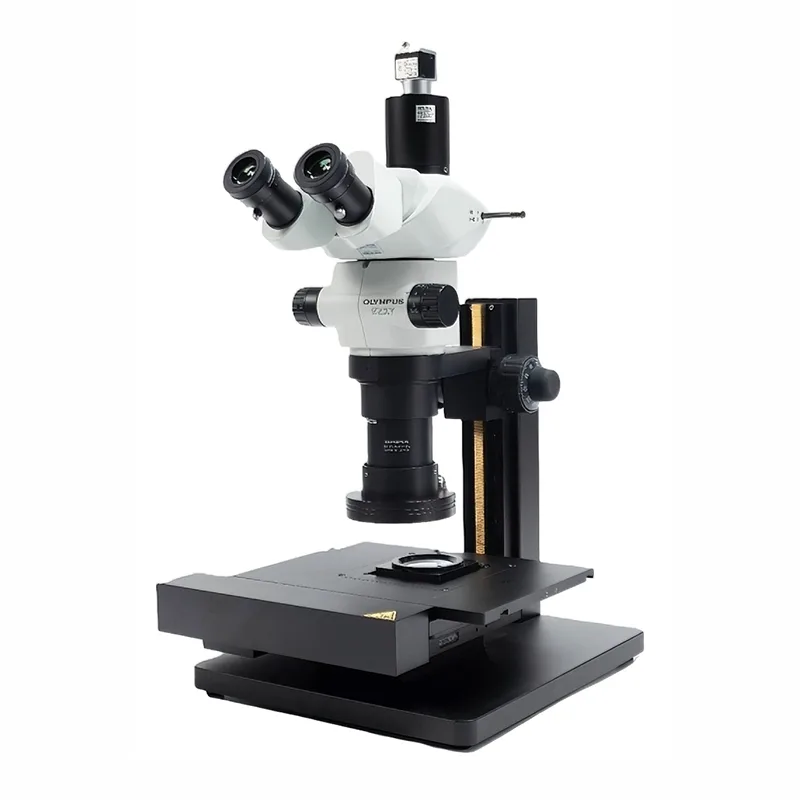
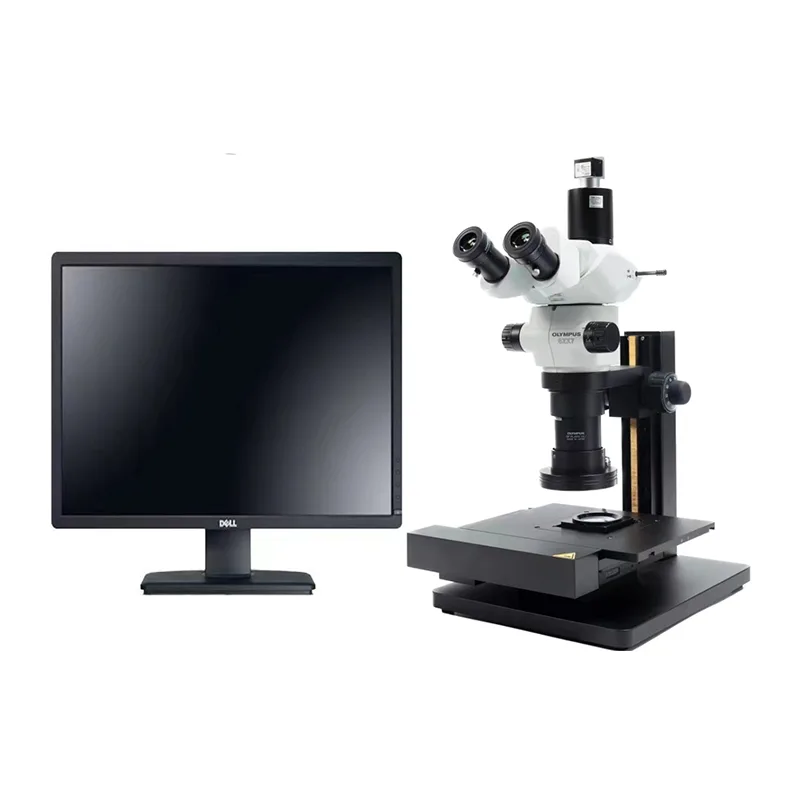
Equipped with high-magnification metallurgical microscopes, high-definition imaging modules and intelligent algorithms, this equipment processes filter membrane samples, automatically captures full-field images of membranes, and identifies particle size, quantity and morphology intelligently. It can distinguish conductive metal particles from non-metallic dust particles and generate official compliant test reports directly. High-end models adopt AI recognition to identify particle materials and trace pollution sources such as processing grinding debris and external dust, which are widely applied in the new energy and aerospace industries.

2.3. Rapid Induction Analysis (Portable Screening Method)

It consists of two branches: ATP fluorescence detection and laser scattering detection, requiring no solvent sample preparation for on-site rapid spot checks. ATP fluorescence detectors detect surface microorganisms and organic residues via biological fluorescence reaction and deliver results within 10 seconds, widely used for spot inspection of hospital countertops, catering tableware and pharmaceutical workshops. Laser particle counters adopt light-blocking and light-scattering principles to detect suspended particles in oil and purified water, applied to on-line monitoring of hydraulic oil and purified water quality.


3. Classification of Mainstream Cleanliness Testing Equipment

Classified by application scenarios and functional forms, mainstream equipment falls into four categories, covering full scenarios from workshop spot checks to laboratory precise detection:

3.1. Integrated Component Cleanliness Testing System

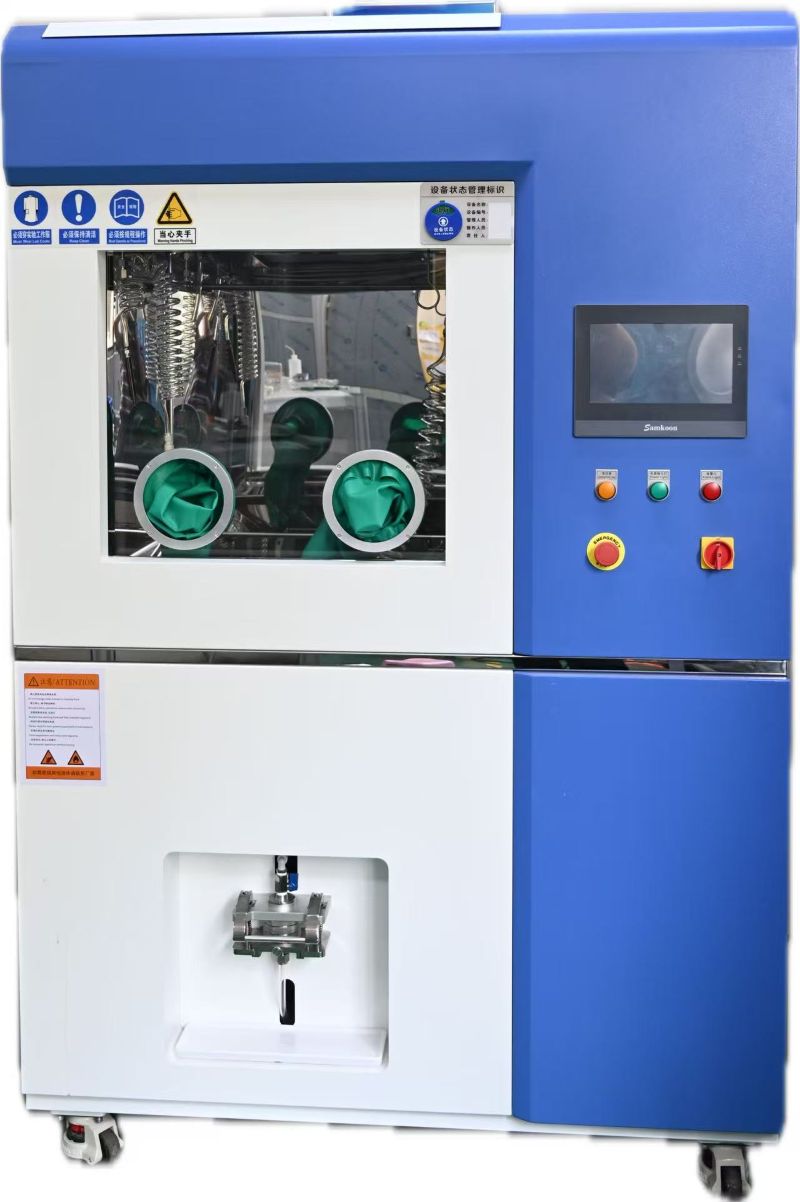
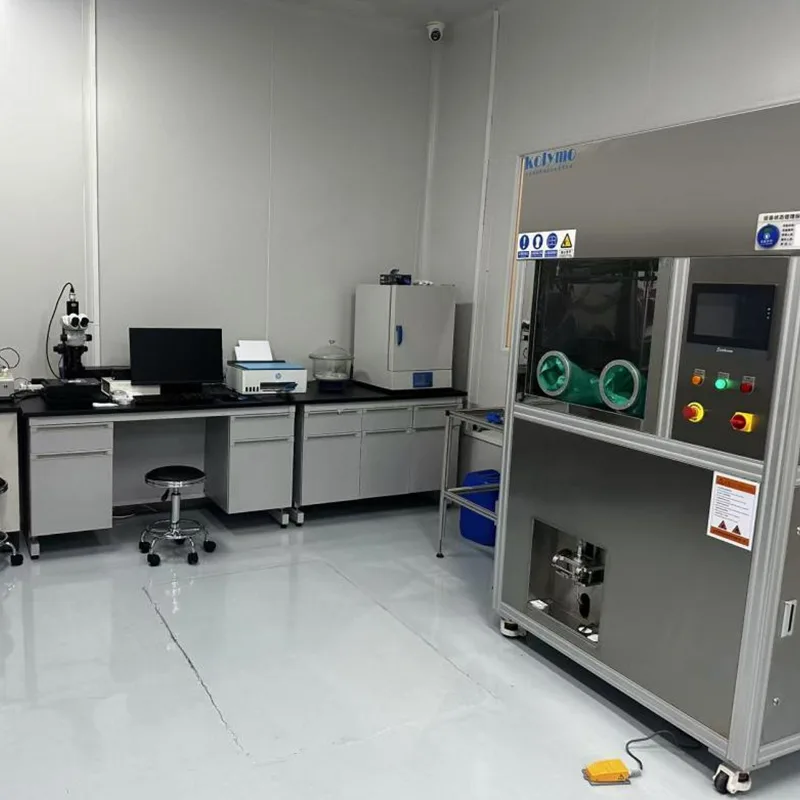
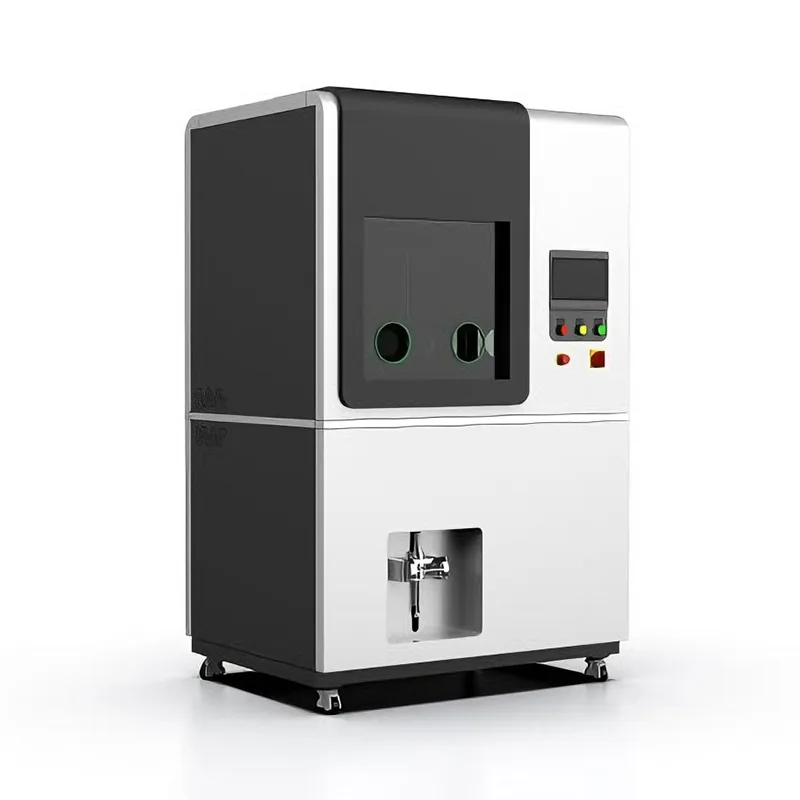
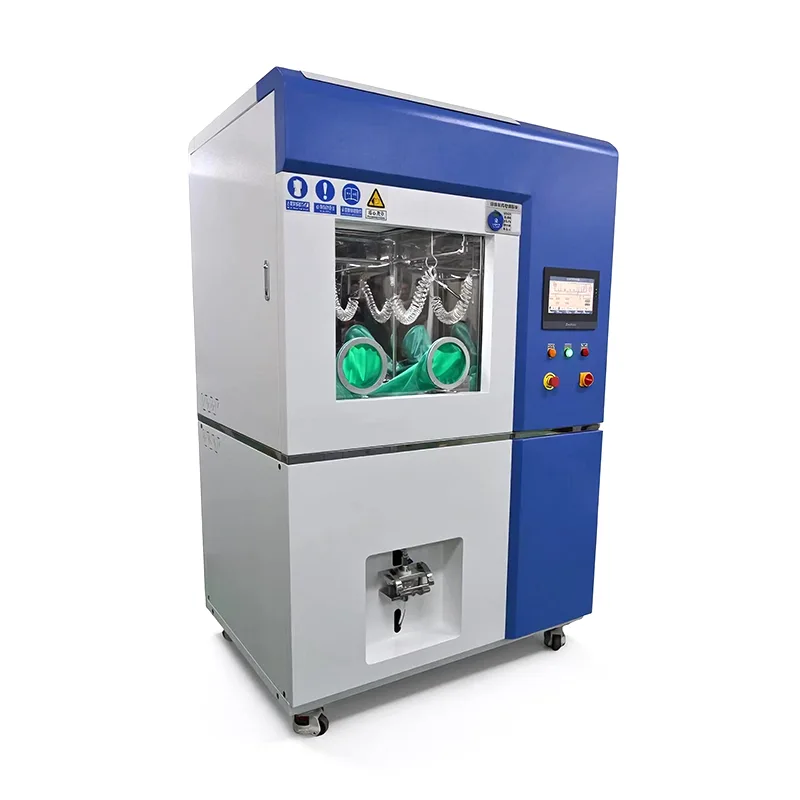
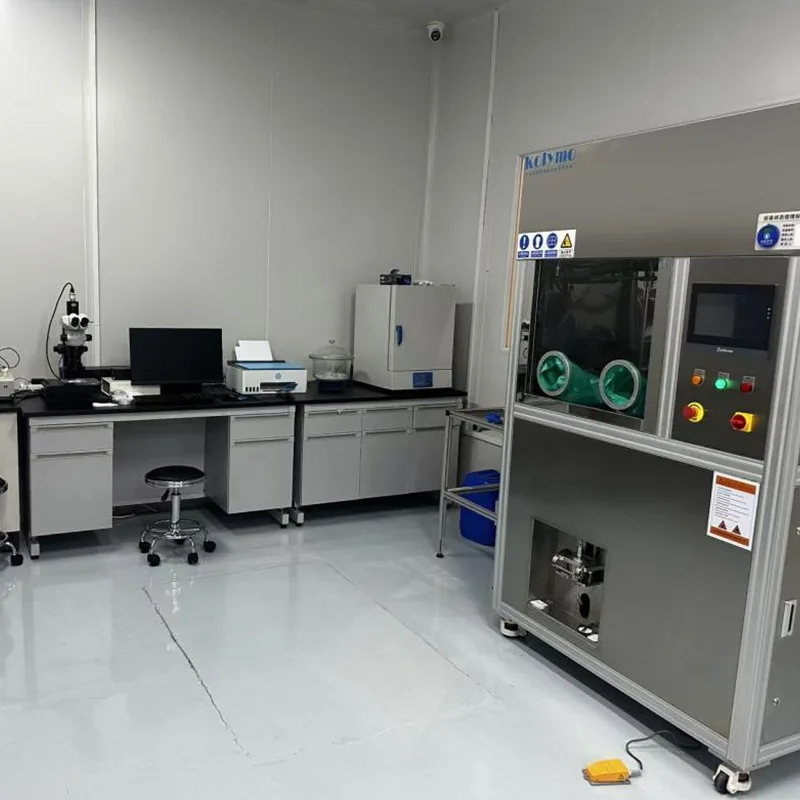
An all-in-one laboratory device composed of extraction cleaning machine, vacuum filtration unit, integrated drying machine and intelligent image analyzer. It completes automatic sample preparation, testing and report generation in full compliance with VDA and ISO national standards. Designed for batch quality inspection of automotive gearboxes, new energy battery shells and aerospace valve spools, it reaches a testing precision of 0.1mg.

3.2. Portable Cleanliness Detector

Compact handheld equipment with no sample preparation or consumables required, designed for on-site rapid screening. It is applicable to detecting oil impurities in auto repair shops and spot-checking workpiece surface cleanliness in factories. Its test data is only for reference screening, not valid for factory official compliance reports.

3.3. Liquid Particle Counter

Specialized in fluid medium detection, it measures suspended particle grades in hydraulic oil, lubricating oil, pharmaceutical purified water and bottled solutions. It monitors real-time oil cleanliness to predict hydraulic pipeline wear and oil circuit failure, extensively used in steel plants, wind power stations and hydraulic equipment maintenance industries.

3.4. Microbial Cleanliness Detector

Focused on biological hygiene detection, including ATP fluorescence detectors and airborne bacteria samplers. It mainly detects bacteria, mold and organic residues for environmental cleanliness verification in operating rooms, food workshops and sterile packaging workshops.

4. Application Fields: Where Cleanliness Testing Equipment Works

Contrary to common misunderstanding, such equipment is not limited to factory quality inspection, but essential for daily life consumption and high-end intelligent manufacturing:

4.1. Automotive and New Energy Industry (Largest Application Volume)

Micron-scale metal debris must be strictly controlled on automotive fuel injectors, brake valves, bearings, new energy battery cooling pipelines and motor precision parts. Statistics show that over 60% of automotive hydraulic system failures are caused by jamming of tiny impurities. A valid cleanliness test report is a mandatory admission requirement for all auto parts before delivery.

4.2. Pharmaceutical and Medical Industry (Life-related Sector)

No bacteria or debris residues are allowed on disposable syringes, surgical instruments, orthopedic implant consumables and inner walls of pharmaceutical packages. Medical nosocomial infection sampling and mass production quality inspection of medical devices rely on ATP detectors and microscopic cleanliness testing equipment to eliminate risks of postoperative infection and consumable contamination.

4.3. High-end Aerospace Manufacturing

Aerospace engine oil circuits, aircraft hydraulic components and satellite precision parts require control of impurities as small as 2μm. Dedicated ultra-high precision cleanliness analyzers guarantee zero equipment failure under extreme high-altitude working conditions, serving as essential quality control equipment for aerospace manufacturing.

4.4. Food, Daily Chemical and Civil Fields

It covers impurity detection of drinking water, particle screening of beverage stock solution, sterility testing of cosmetics, and hygiene inspection of catering tableware. Portable detectors quickly judge hygiene compliance to safeguard public consumption safety.

4.5. Semiconductor and Electronic Industry

It verifies cleanroom grades in production workshops of wafer chips, circuit boards and optical lens components, and detects surface dust on electronic components, preventing circuit short-circuit and imaging defects caused by micro-particles so as to improve the yield rate of electronic products.

5. Common Public Misconceptions about Cleanliness Testing

Three Common Misconceptions: 

1. Wiping workpieces clean means standard compliance: rags can only remove large visible particles, leaving micron-scale debris untouched; 

2. All detectors share the same precision: portable devices are only for screening, while laboratory imaging devices can issue official compliance reports; 

3. Plain water cleaning meets standards: industrial oil and embedded particles can only be stripped by dedicated extraction solvent instead of plain water.

6. Operation and Maintenance Guidelines for Testing Equipment

Cleanliness testing equipment is high-precision optical and weighing instrument, whose daily maintenance directly determines test accuracy. Three core maintenance rules are listed below:

High-precision balances and microscopic detection modules shall be placed in shockproof, dust-proof and constant-temperature laboratories to avoid interference of air flow and vibration on weighing and imaging data;

Filter membranes and cleaning solvents are dedicated consumables with standard pore sizes; mismatched consumables will directly lead to invalid test results;

Probes and sampling ports of portable equipment shall be disinfected regularly to avoid cross-contamination and inflated test data.

7. Conclusion: Micro Cleanliness, the Hidden Foundation of National Product Quality

Human eyes have inherent visual limitations, only identifying millimeter-scale stains rather than micron and submicron particles, which are captured and quantified by cleanliness testing equipment. Less eye-catching than large-scale production machines, such equipment builds an invisible defense line for precision manufacturing, medical hygiene and public safety. With the upgrading of new energy, high-end medical device and aerospace industries, industrial cleanliness standards keep improving. Intelligent, fully automatic and AI-traceable cleanliness testing equipment has become industrial standard configuration, safeguarding the safety and quality of industrial products and civilian goods via precise micro-detection.


Related News
Leave me a message
X
We use cookies to offer you a better browsing experience, analyze site traffic and personalize content. By using this site, you agree to our use of cookies.Privacy Policy
RejectAccept