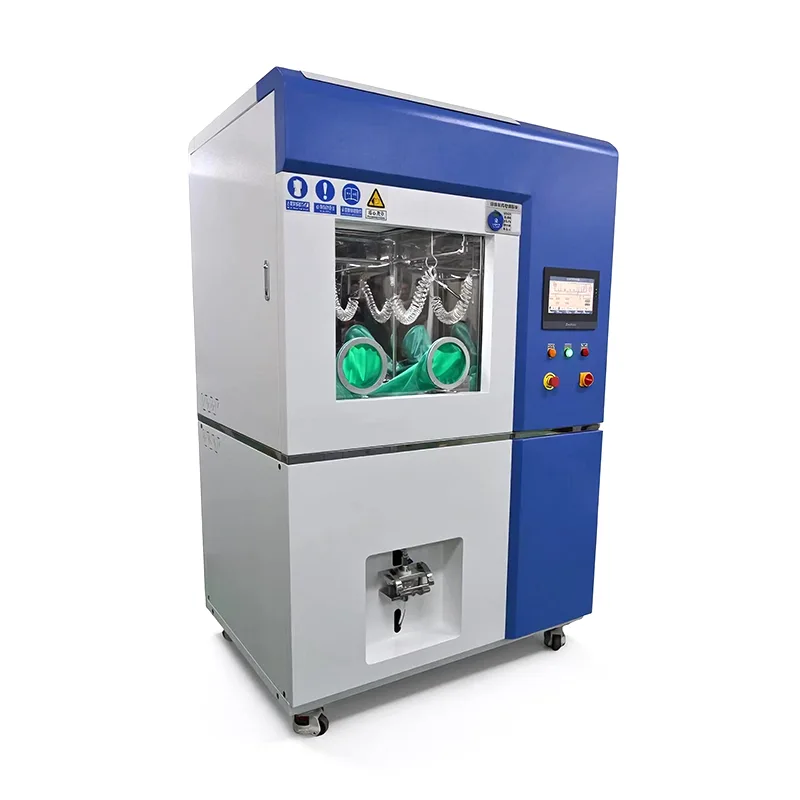
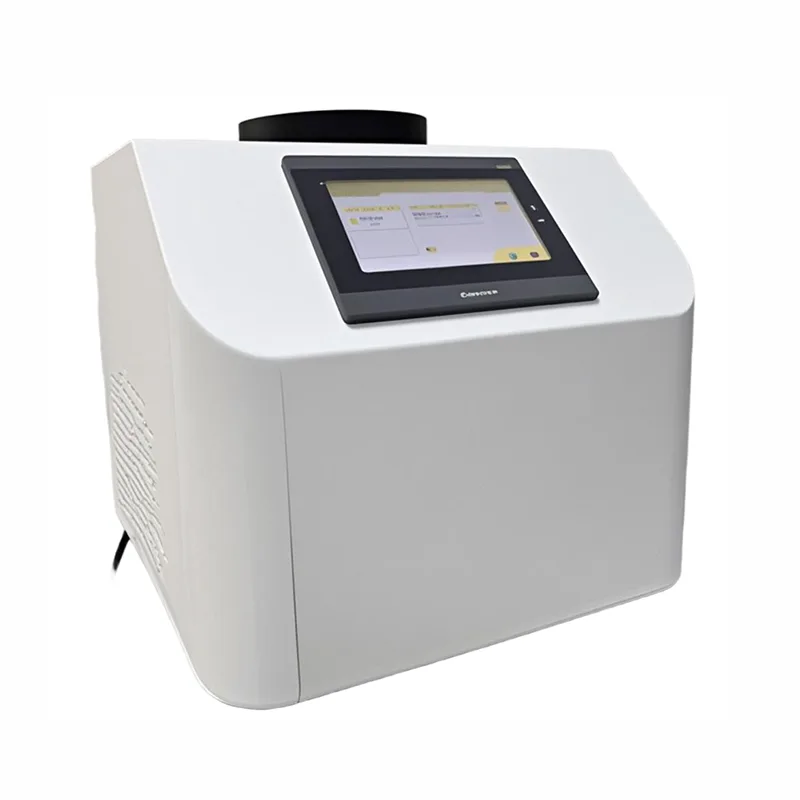
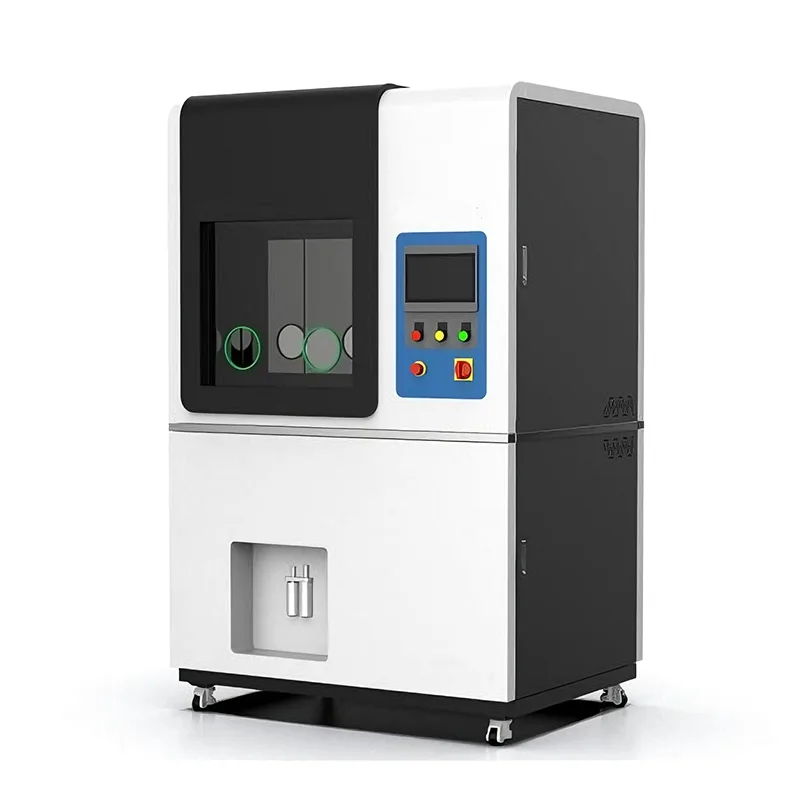
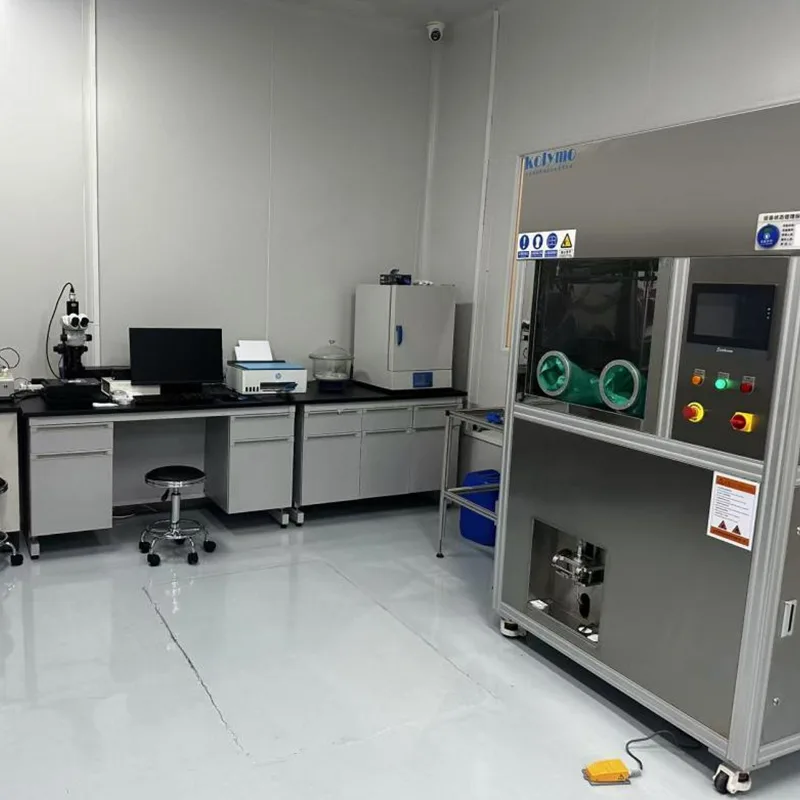
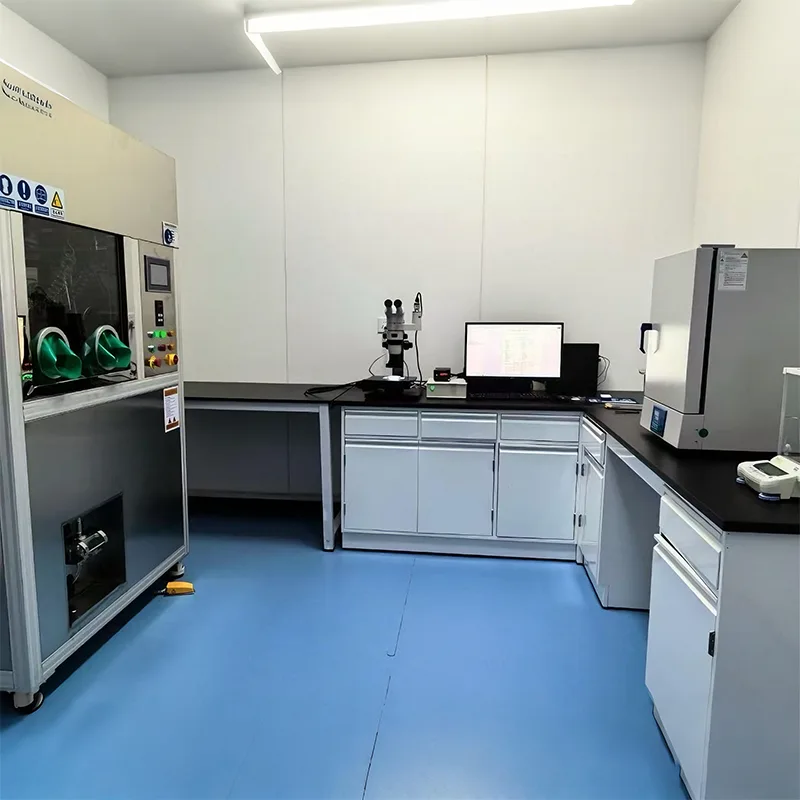
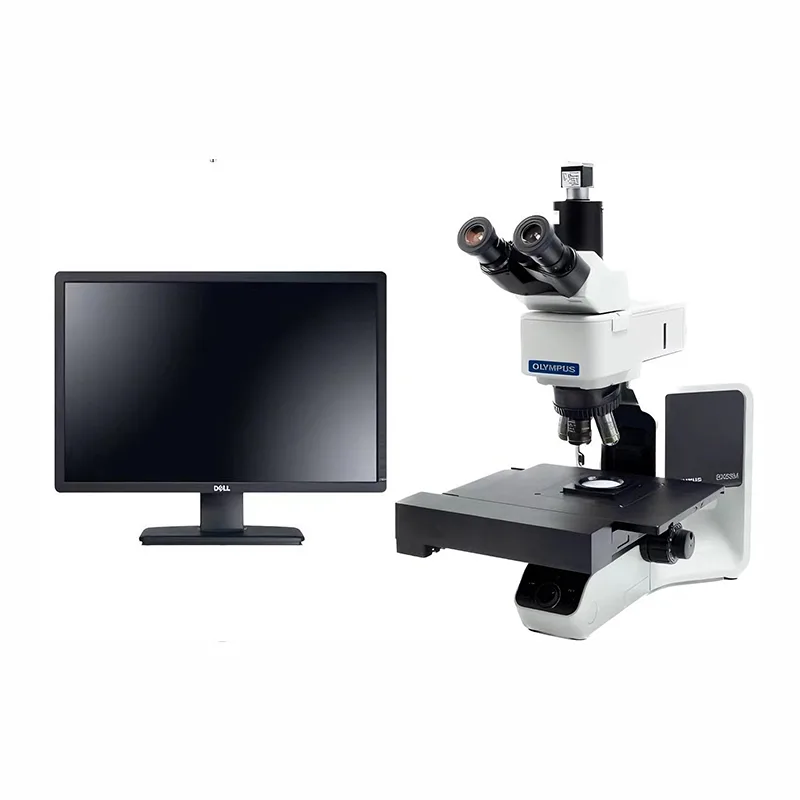
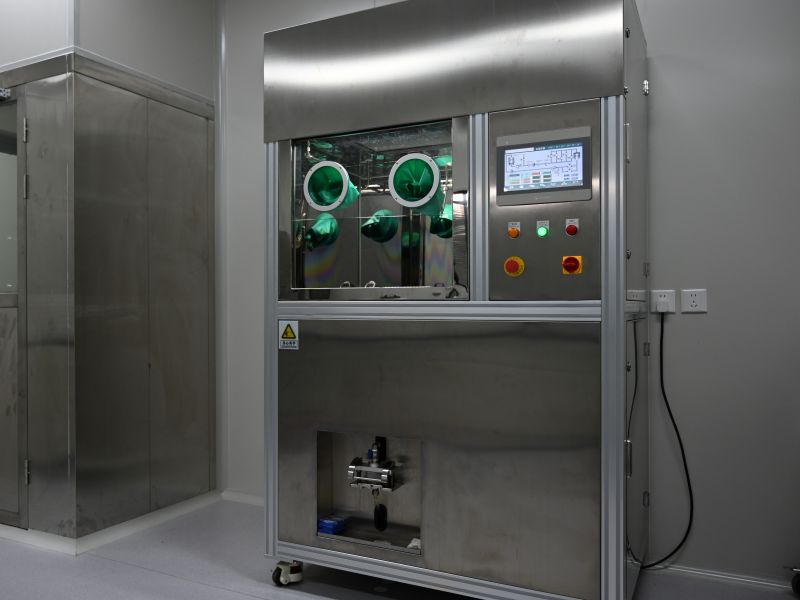
Based on the core procedures of precise filtration, drying and dehumidification, and accurate weighing, all solid contaminants attached to the surface, pores and inner cavities of tested workpieces are completely stripped and collected. The total mass of surface contaminants on workpieces is accurately calculated by measuring the mass difference of microporous filter membranes before and after filtration, so as to judge whether the product cleanliness meets the standard. The core calculation formula is: Total contaminant mass = Dry mass of filter membrane with intercepted contaminants − Dry mass of blank filter membrane. During the whole detection process, only the mass of solid particles is retained, and interference factors such as cleaning solution, moisture and solvent are completely eliminated to ensure accurate and reliable detection data.
•High-precision Analytical Balance: With a precision of ≥0.1mg to meet the weighing requirements of trace particulate contaminants. It shall be placed in a standard weighing environment with constant temperature, no air flow and anti-vibration measures, and calibrated regularly to ensure weighing accuracy.
•Constant-temperature Drying Oven: With a temperature control accuracy of ±5℃. The conventional drying temperature for filter membranes is 90℃±5℃, and 105℃±5℃ for metal filter screens. It is used to completely remove solvent and moisture on the surface of filter membranes and contaminants.
•Desiccator: Filled with desiccant, used for cooling filter membranes to room temperature after drying to avoid weighing errors caused by moisture absorption of filter membranes from ambient air.
•Filtration Device: Including vacuum filtration assembly and filter membrane clamps, ensuring complete filtration of cleaning solution without leakage of particulate residues.
•Contaminant Extraction Equipment: Ultrasonic cleaning machine, high-pressure spray cleaning gun, circulating flushing device. The equipment is selected according to the workpiece structure to strip contaminants effectively.
•Microporous Filter Membrane: Common pore sizes include 0.45μm, 0.8μm, 1.2μm and 5μm, selected according to detection standards and contaminant particle size. The filter membrane shall be impurity-free, organic solvent-resistant and high-temperature resistant.
•Special Cleaning Solution: Anhydrous ethanol, industrial high-purity cleaning agent, filtered hydraulic oil, etc. It must have extremely high cleanliness without inherent particulate matter to avoid sample contamination.
•Auxiliary consumables including clean petri dishes, dust-free gloves, dust-free wiping paper and sealed sampling containers.
Pre-treat detection consumables and equipment in advance to eliminate systematic errors. Place the to-be-tested filter membrane in a clean petri dish, dry it in a constant temperature drying oven for 30 minutes, then take it out and place it in a desiccator to cool to room temperature (usually 30 minutes). After cooling, weigh the membrane with a high-precision balance and record the initial blank mass G1. Repeat the drying-cooling-weighing cycle until the mass difference between two consecutive weighings is ≤0.1mg (constant-mass state), then record the final blank mass. Wear dust-free gloves throughout the whole process and avoid direct contact with filter membranes, workpieces and consumables by hand to prevent human-induced contamination.
Select the extraction method according to the workpiece structure, size and industry standards to ensure complete stripping of contaminants without residue:
•High-pressure Spray Cleaning: Applicable to shells, cavities, pipelines and similar workpieces. Flush inner cavities, pores, corners and other easy-to-foul areas with high-pressure clean cleaning solution, and collect all flushing rinse liquid into clean containers.
•Ultrasonic Cleaning: Applicable to small precision parts and special-shaped workpieces. Immerse the workpiece in clean cleaning solution, strip fine particles by ultrasonic vibration, and collect all cleaning rinse liquid.
•Circulating Flushing: Applicable to hydraulic components and pipeline systems. Flush internal contaminants through circulating cleaning solution and collect all circulating rinse liquid.
Install the pre-treated constant-weight filter membrane on the filtration device, and perform vacuum filtration on all collected workpiece cleaning rinse liquid to intercept solid particles in the rinse liquid on the filter membrane surface. After filtration, flush the inner walls of the filter membrane clamp and container with a small amount of clean cleaning solution to wash all residual particles onto the filter membrane, ensuring no omission of contaminants.
Place the filter membrane with intercepted contaminants steadily into the original clean petri dish, put it into the drying oven and dry for 30 minutes at the standard temperature to completely remove cleaning solution and moisture from the filter membrane and contaminant surface. Quickly transfer the dried filter membrane to a desiccator and cool to room temperature to prevent moisture absorption from ambient air.
After cooling, weigh the contaminated filter membrane with the same calibrated high-precision balance and record the mass G2. Conduct constant weight verification similarly, and confirm the final weighing data after the mass difference meets the standard.
Total workpiece contaminant mass M = G2 − G1 (Unit: mg)
For standardized results, conversion can be conducted as required: contaminant mass per unit area (mg/㎡), single workpiece cleanliness (mg/piece). The qualification is judged by referring to the threshold values of corresponding industry standards.
All weighing data shall be retained to one decimal place. Original data, drying temperature, cooling time, filter membrane pore size, extraction method and other parameters shall be fully recorded to ensure traceability of detection results.
•Environmental Control: All detections shall be carried out in a dust-free environment. The balance room shall be kept at constant temperature and humidity with no air flow and vibration to avoid sample dust contamination and weighing accuracy interference by air flow.
•Consumable Quality Control: The cleaning solution shall be pre-filtered and purified; filter membranes shall be intact and impurity-free; petri dishes and filtration devices shall be pre-cleaned to eliminate external contamination.
•Process Standardization: Strictly follow standard temperature and time for drying and cooling. Shortening or prolonging the process is prohibited to prevent mass deviation caused by residual moisture or filter membrane deterioration.
•Operation Standardization: Implement dust-free operation throughout the whole process. Collect and filter all rinse liquid and flushing water without contaminant omission to ensure complete and authentic detection results.
•Simple principle, intuitive results, good repeatability and high accuracy, enabling quantitative detection of total contaminant mass;
•Wide applicability, capable of detecting all solid contaminants such as metal dust, gravel, fibers and colloidal particles;
•Low equipment cost and convenient operation, no complex image analysis system required, suitable for batch quality inspection and factory sampling;
•Compliant with major domestic and international industry standards, with authoritative detection results for quality acceptance and traceability.
•Only the total mass of contaminants can be detected, with no differentiation of particle size, quantity, material and morphology;
•Long detection cycle; drying, cooling and constant weight procedures are time-consuming, with lower efficiency than the particle sizing and counting method;
•High requirements for operation standardization and environmental cleanliness; test results are susceptible to manual operation errors.
Widely applied in the cleanliness detection of automotive parts, hydraulic and pneumatic components, precision mechanical castings, aerospace parts, refrigeration and liquid cooling components, pipeline systems and other products. As a basic industry compliance detection method, it is especially suitable for factory inspection, process quality control and third-party compliance detection scenarios that only require total contaminant mass control without particle morphology analysis.
No. 225 Huajin Road, Tong'an Town, Huqiu District, Suzhou City, Jiangsu Province, China
Copyright © 2026 SuZhou Kolymo Precison Machinery Co.,Ltd. All Rights Reserved. Links| Sitemap| RSS| XML| Privacy Policy