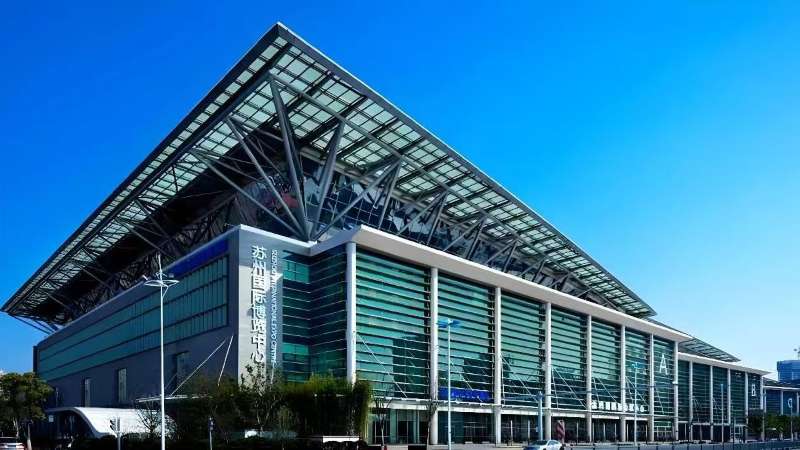
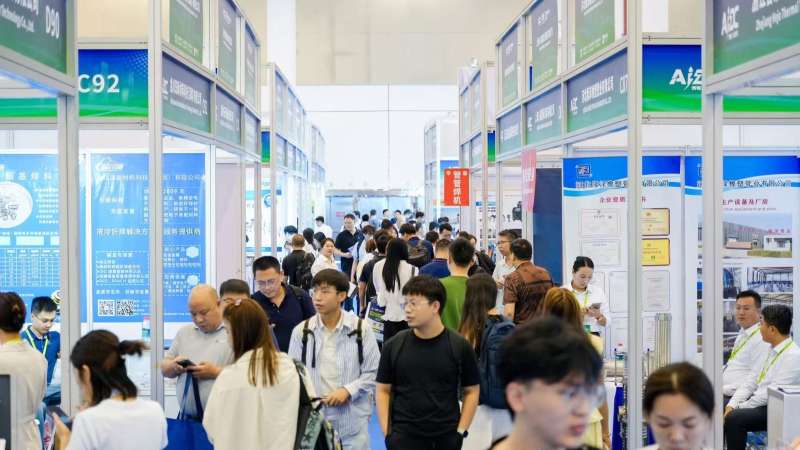
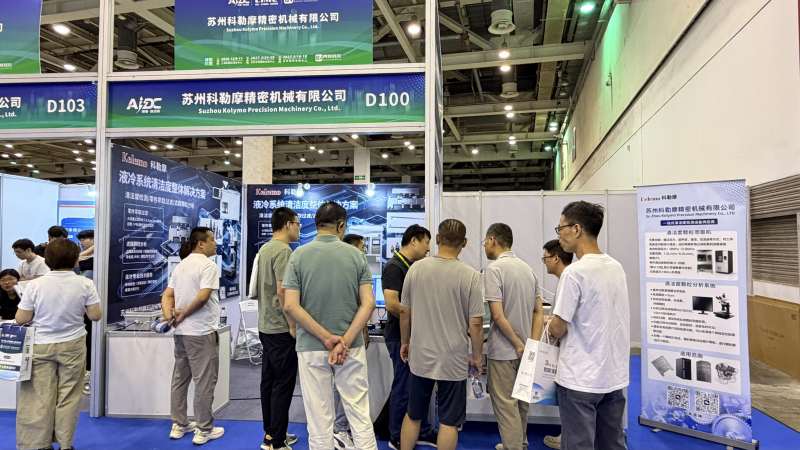
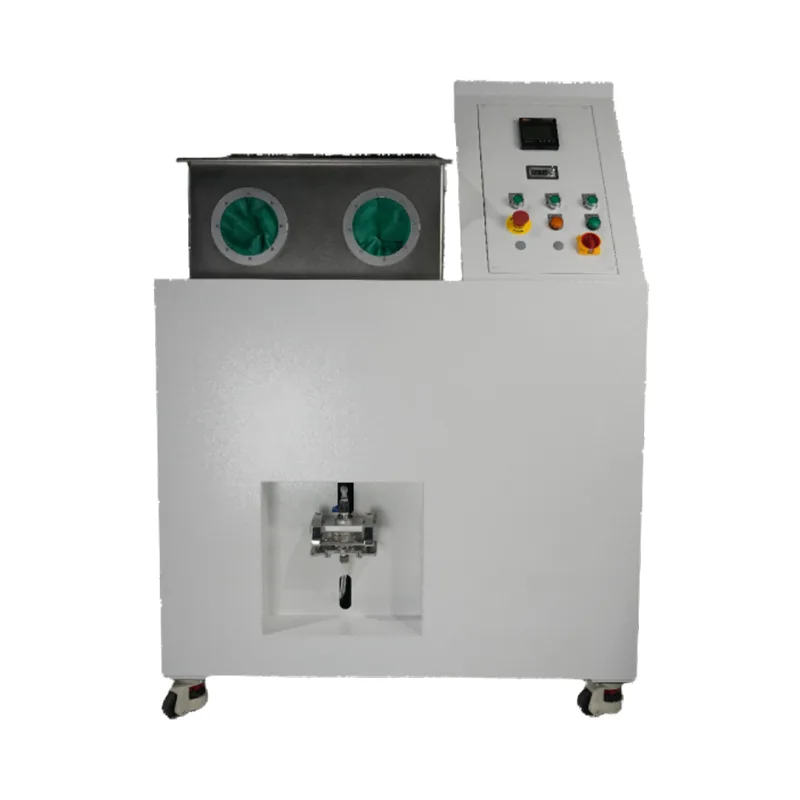
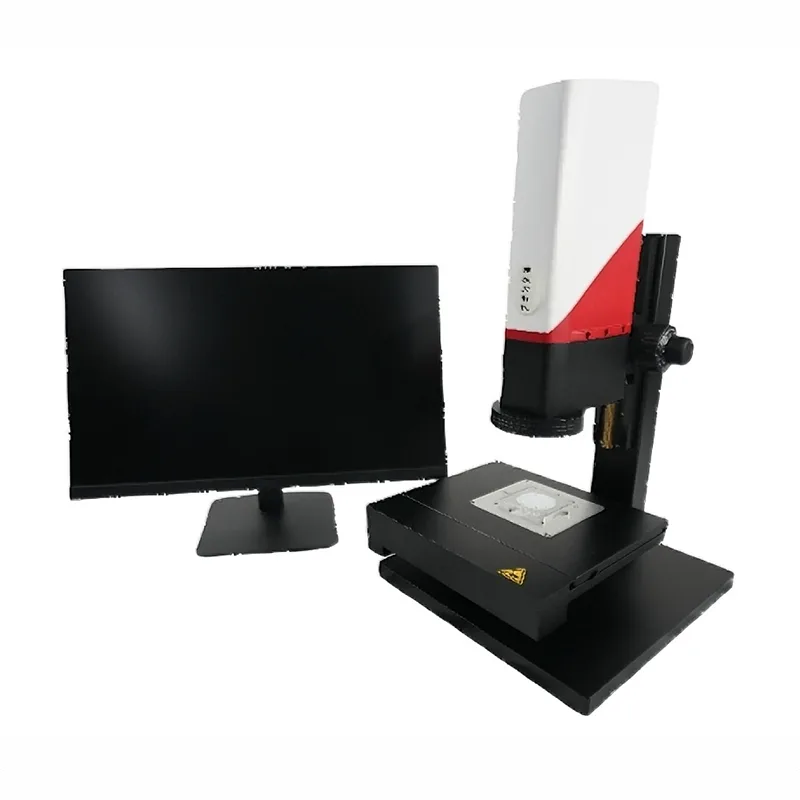
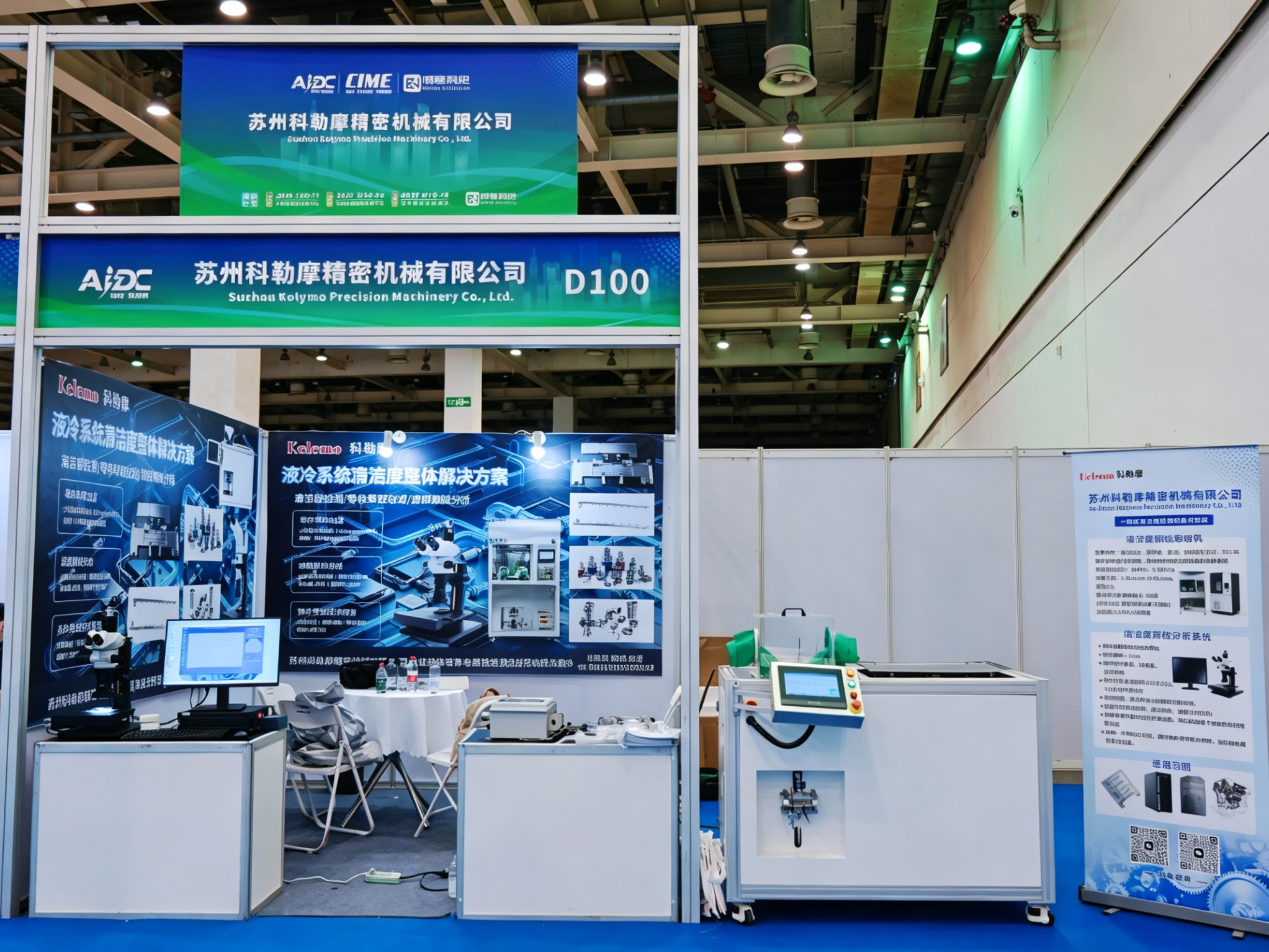
From September 16 to 18, 2026, the 7th Suzhou International AI Data Center Liquid Cooling Technology Exhibition was held at the Suzhou International Expo Center. Under the theme "AI Drives Innovation, Liquid Cooling Empowers the Future," the event attracted nearly 300 companies from the computing infrastructure and liquid cooling industry chain. The exhibition focused on cutting-edge areas including high-power-density AI computing servers, cold plates, immersion liquid cooling systems, and fluid sealing and detection technologies, serving as one of the key platforms for technical exchange and supply-demand matching in China's liquid cooling industry. Suzhou Kolymo Precision Machinery Co., Ltd. (hereinafter referred to as "Kelemo") exhibited its latest cleanliness detection equipment at the event, showcasing high-precision cleanliness extraction equipment and analysis systems for AI data center liquid cooling component manufacturers, providing technical support for quality control across the liquid cooling industry chain.
As AI large models drive rapid growth in computing demand, single-rack power density continues to rise, making liquid cooling a critical direction for green computing upgrades in data centers. However, there is an often-overlooked issue in the industry: cold plates, CDUs, fluid pipelines, sealed connectors, and other core liquid cooling components inevitably retain metal debris and microscopic contaminants during processing. Although these particles are small, they can lead to flow channel blockage, pipeline wear, and seal failure, and in severe cases, may even cause leakage or server downtime. As a result, component cleanliness detection is increasingly regarded as a key quality control step for ensuring the long-term stable operation of liquid cooling systems, and the industry's demand for standardized, automated, and traceable cleanliness detection solutions is becoming increasingly urgent.
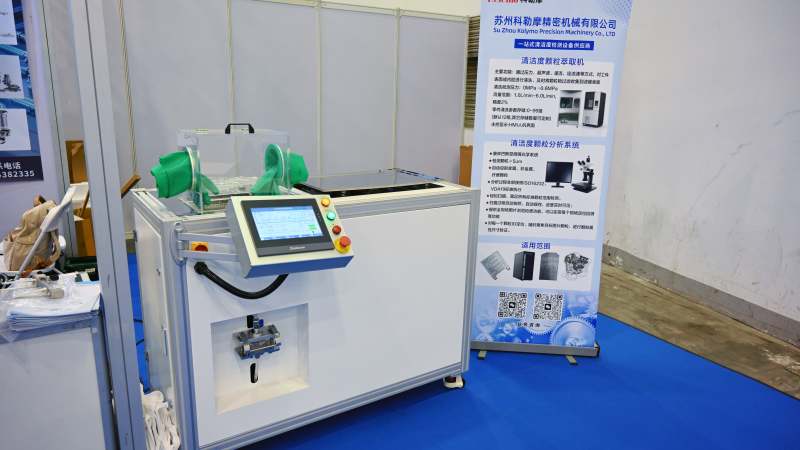
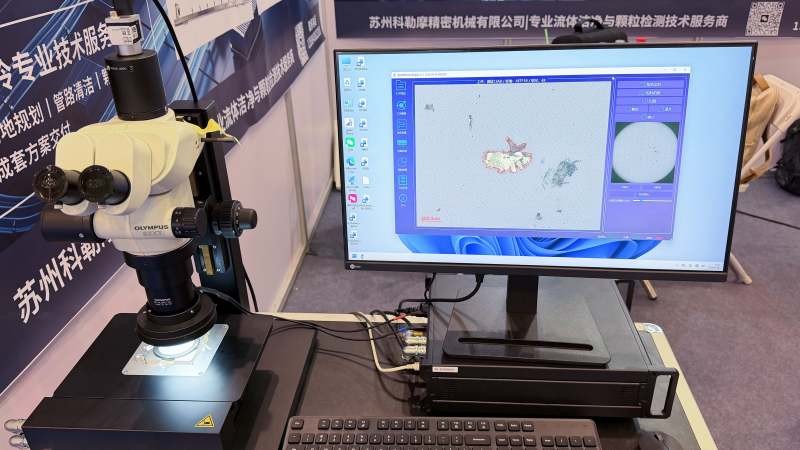
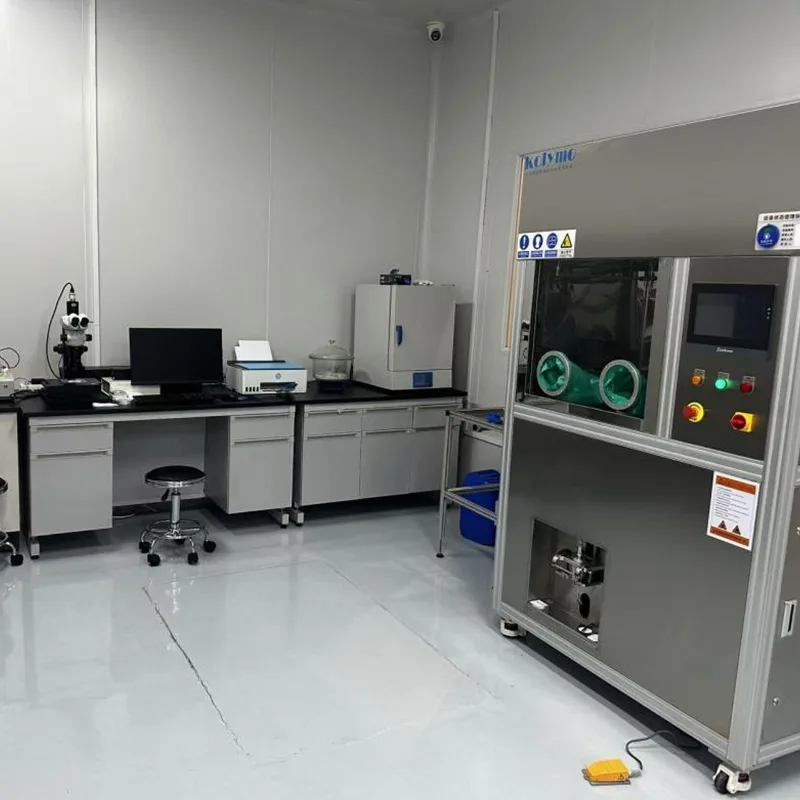
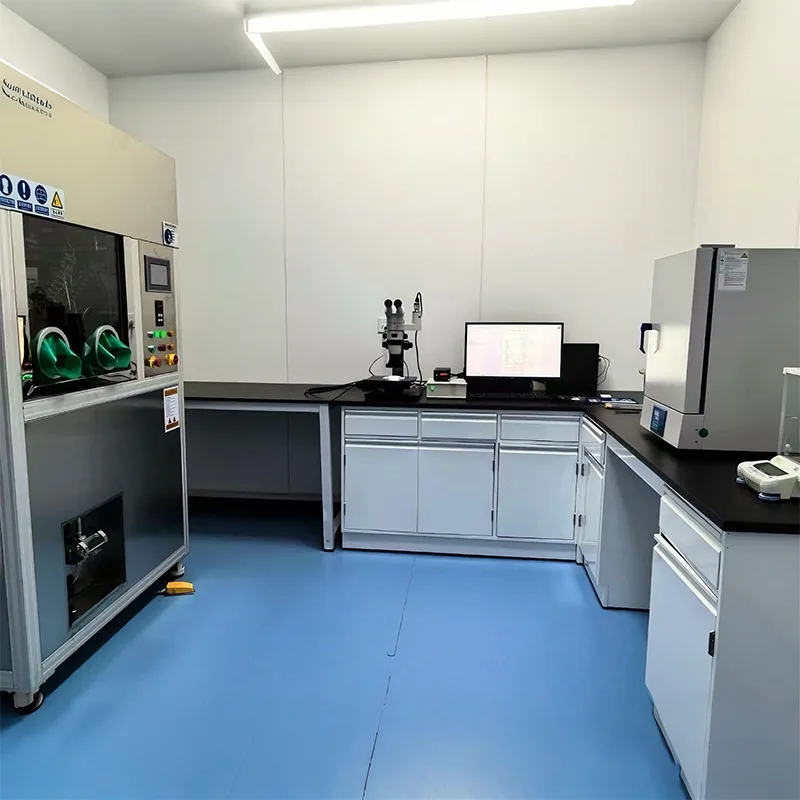
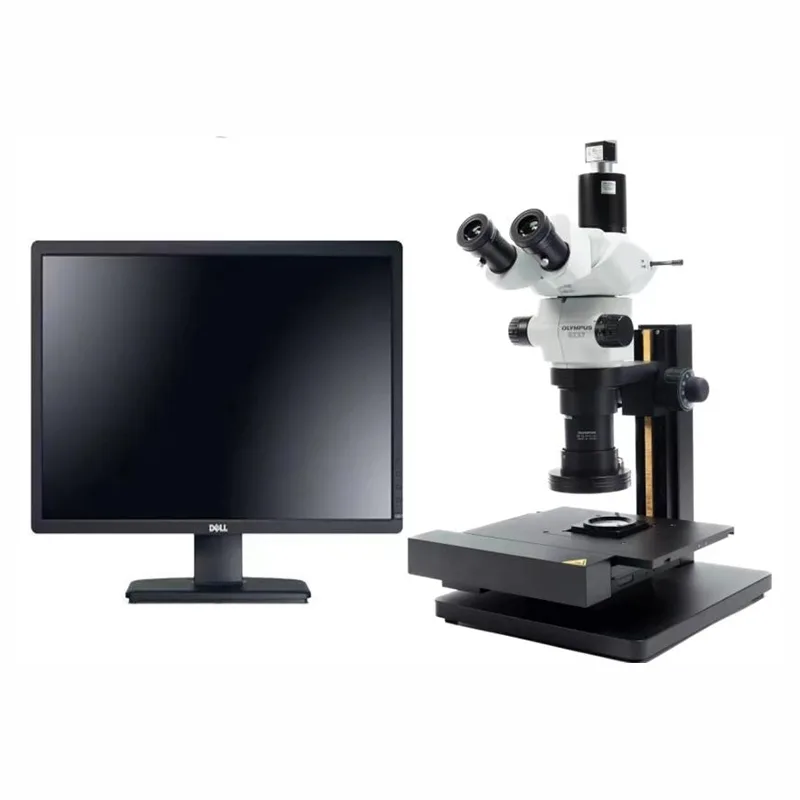
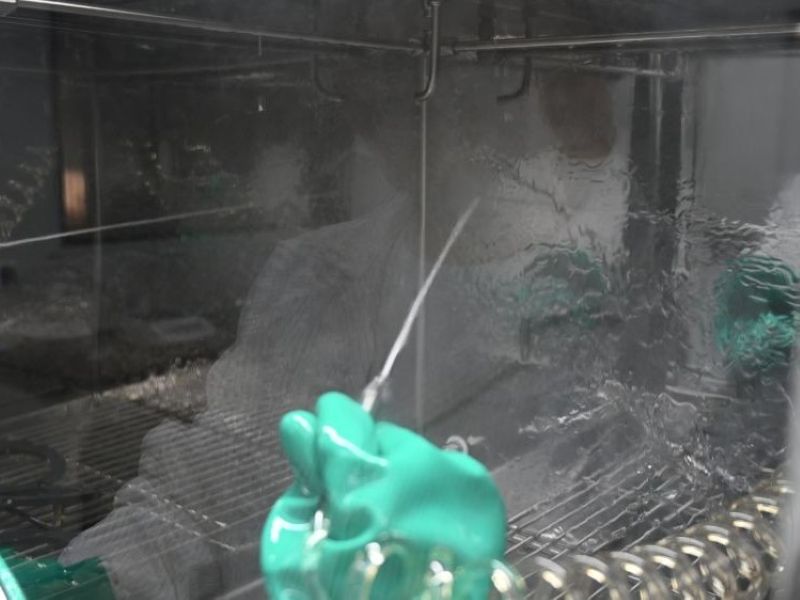
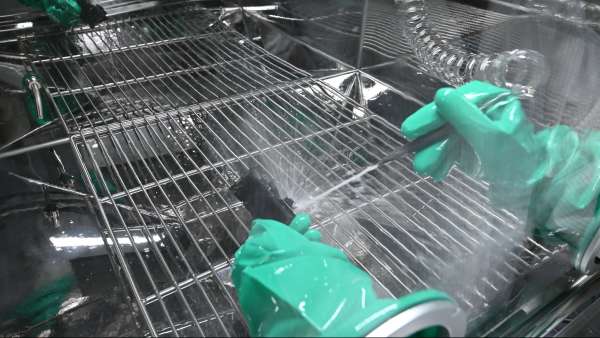
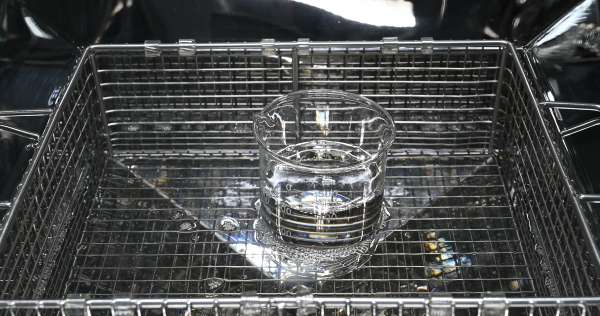
Kelemo has long focused on the R&D and manufacturing of cleanliness detection equipment, with years of accumulated expertise in the field of cleanliness particle detection. Its products are benchmarked against international standards such as ISO 16232 and VDA 19. At this year's exhibition, the company highlighted a complete set of equipment for the liquid cooling industry, including liquid cooling component cleanliness extraction equipment and cleanliness analysis systems, along with turnkey cleanroom laboratory planning and construction, technical training, and full-process after-sales technical services. The solution is suitable for particle extraction, filter membrane preparation, particle size statistics, and contaminant composition analysis of workpieces such as cold plates, liquid cooling pipelines, valves, quick connectors, and CDU modules. With a high degree of automation, it helps reduce detection errors caused by manual operations and can meet the needs of factory inspection and incoming material quality control in mass production of liquid cooling components.
During the exhibition, Kelemo's technical team received numerous engineers and procurement managers from AI computing server manufacturers, liquid cooling system integrators, and cold plate and precision fluid component manufacturers. Visiting customers engaged in in-depth technical exchanges with Kelemo's technical lead on topics such as liquid cooling workpiece cleaning and extraction processes and particle detection precision. Some customers also raised specific challenges encountered in their own inspection of cold plates and immersion liquid cooling components, leading to further discussions and the establishment of multiple letters of intent for cooperation.
Kelemo's technical lead stated that the AI data center liquid cooling industry is accelerating its large-scale deployment. While many companies have matured in hardware manufacturing, there is still room for improvement in internal particle contamination control systems for components. In his view, cleanliness detection is not merely laboratory equipment, but rather a quality defense line for liquid cooling system reliability. Based in Suzhou, Kelemo leverages the locational advantages of the Yangtze River Delta liquid cooling industry cluster to continuously refine cleanliness detection equipment and standardized sample preparation processes tailored to liquid cooling scenarios, helping China's liquid cooling industry chain improve product consistency, reduce later-stage operational failure risks at computing centers, and promote the high-quality development of domestic liquid cooling infrastructure.
Through this exhibition, Kelemo further strengthened its brand influence in the AI data center liquid cooling supply chain. In the future, Kelemo will continue to increase R&D investment, iterate liquid cooling-specific cleanliness detection equipment, and expand domestic and international markets, providing integrated cleanliness solutions covering equipment, consumables, laboratory construction, and technical training to customers at home and abroad, helping high-end manufacturing industries such as liquid cooling, new energy, aviation, and precision manufacturing achieve quality upgrades.
We use cookies to offer you a better browsing experience, analyze site traffic and personalize content. By using this site, you agree to our use of cookies. Privacy Policy