News

Kelemo Ultrasonic Cleanliness Extraction Equipment: Dislodging Particles from Blind Holes and Inner Cavities

2026-11-03 0 Leave me a message

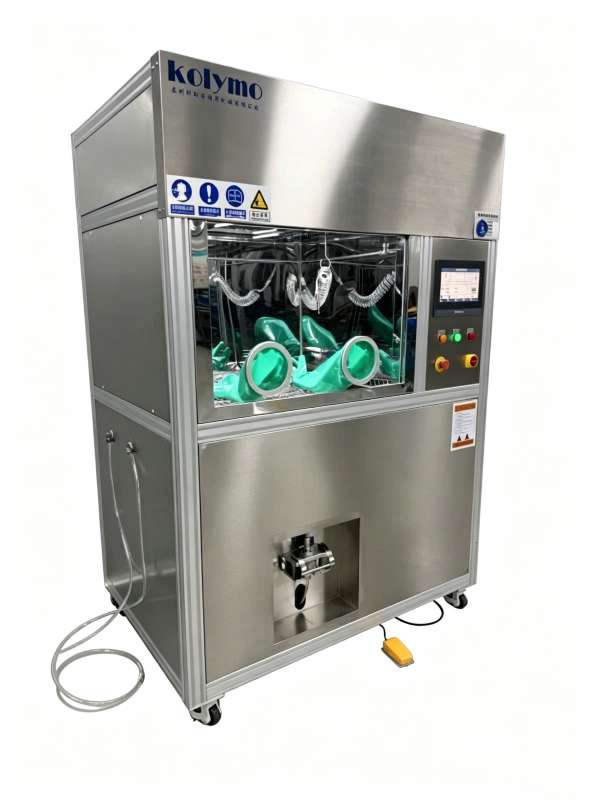
Integrating 40 kHz ultrasonic technology and 0.6 MPa pressure jetting in one station, this single unit completes extraction, in-line filtration for sample preparation and clean environment control.

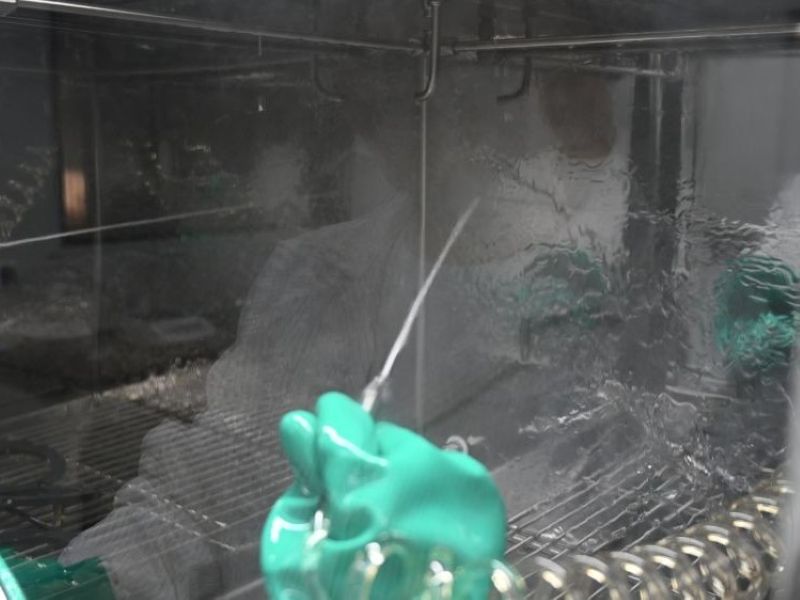
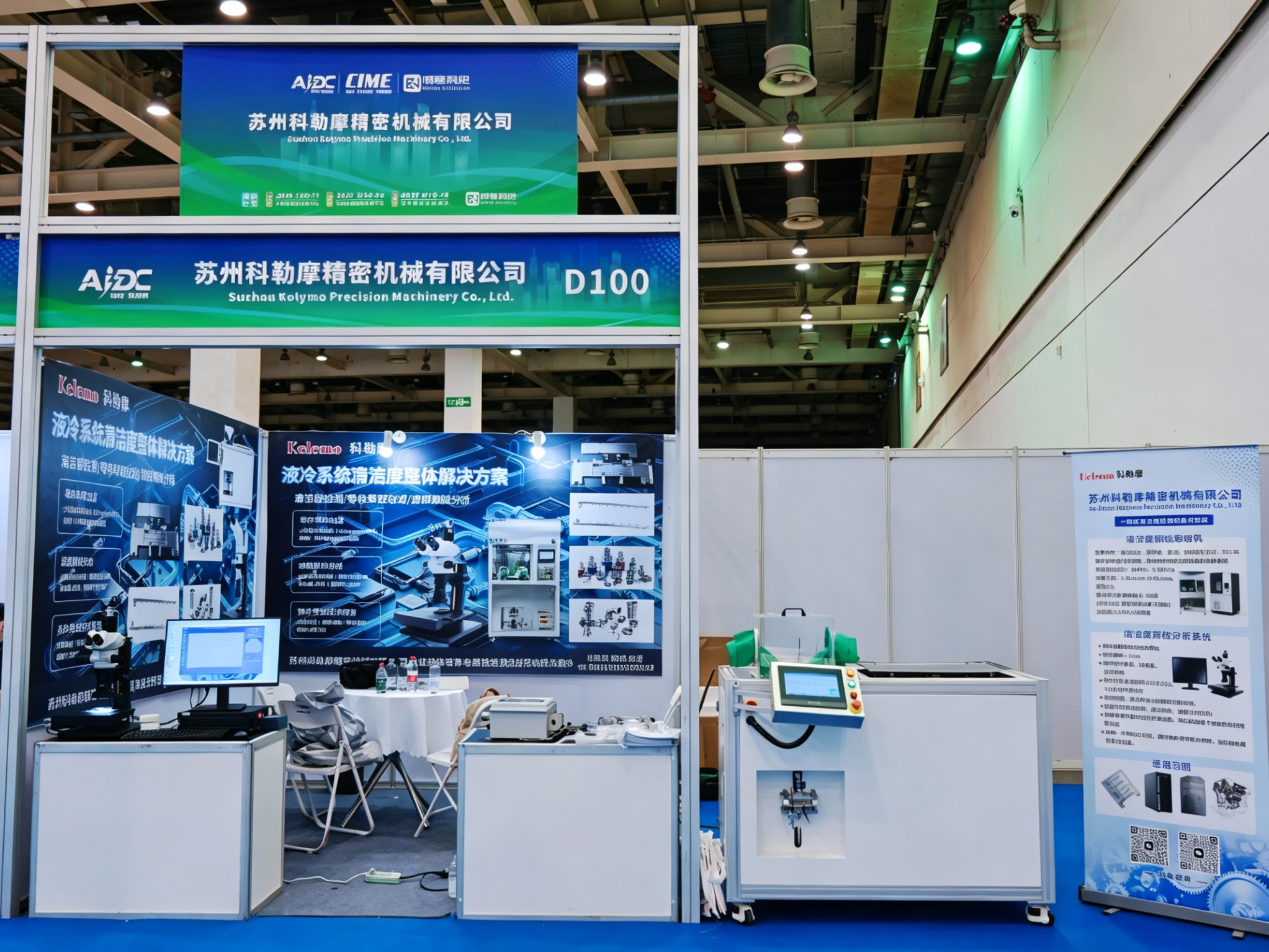
Within the entire cleanliness testing workflow, extraction is the first and most critical step that determines success or failure. If particles cannot be released from the workpiece, even highly accurate subsequent particle counting and size analysis become meaningless. Pressure jetting effectively cleans open surfaces yet often fails to reach the bottom of internal channels and blind holes. Suzhou Kelemo Precision Machinery Co., Ltd. presents a solution that combines 40 kHz ultrasonic cleaning and pressure jet cleaning in one equipment unit. Ultrasonic cavitation strips adhered particles, while pressure jetting performs directional flushing and particle transfer. Both processes run sequentially within the same clean workstation, paired with in-line filtration. Once cleaning finishes, the filter membrane sample is ready.

Why Ultrasonics?

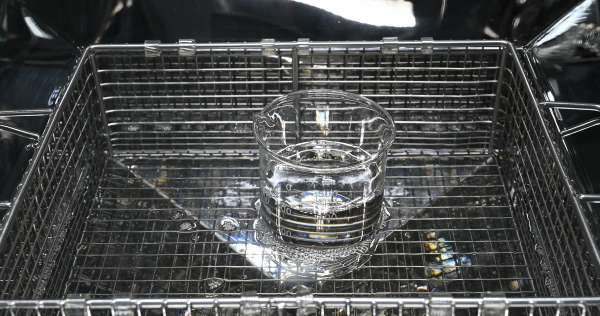
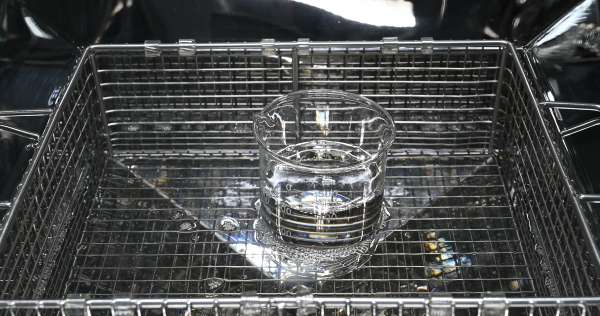
Ultrasonic cleaning relies on the cavitation effect in liquid. The generator sends high-frequency oscillating signals, which the transducer converts into high-frequency mechanical vibrations transmitted into the cleaning fluid. The liquid undergoes alternating compression and rarefaction, generating tens of thousands of microbubbles. These bubbles form and grow in the negative-pressure zone before collapsing rapidly upon entering the positive-pressure zone. The instantaneous impact generated during collapse continuously acts on the workpiece surface, stripping insoluble particles attached to surfaces and crevices and dispersing them into the cleaning fluid.

Unlike pressure-only flushing, this mechanism is non-directional and does not depend on where the operator aims the spray gun. It delivers more uniform coverage and superior repeatability for hard-to-reach areas such as internal passages, blind holes, threads and cross holes. In addition, ultrasonic cleaning will not alter workpiece material properties or compromise machining accuracy. Kelemo automates the ultrasonic cycle on this equipment, sharing the same fluid circuit with the pressure jet station. Once parameters are set, the full extraction sequence runs automatically.


A Complete Extraction Chain Within One Machine

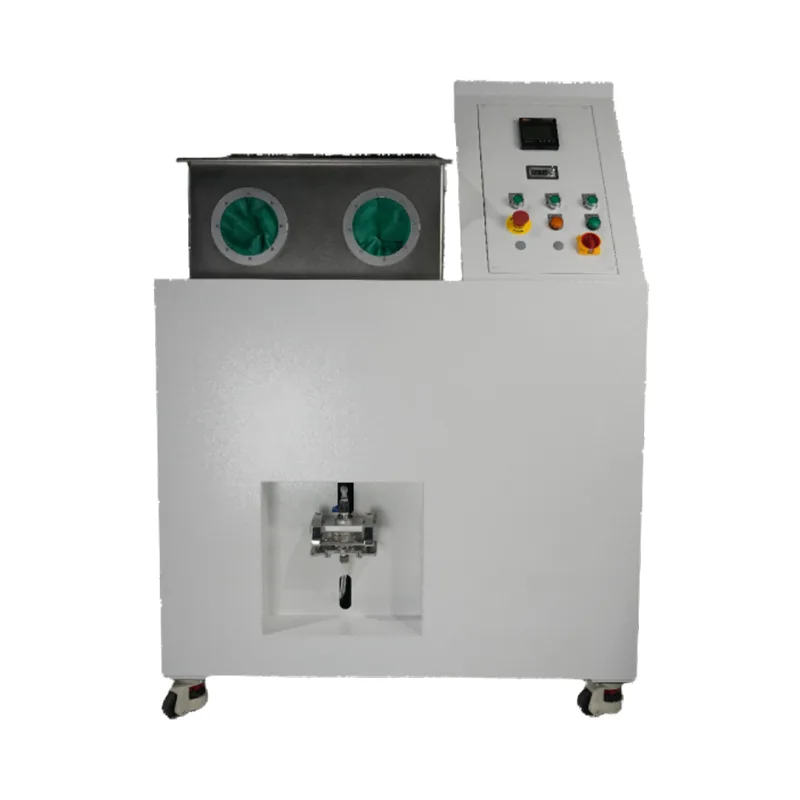
The core design concept is “the extraction chain never leaves the machine”. The ultrasonic tank, pressure jet station, in-line cleaning fluid filtration & recovery, circulating fine filtration, automatic liquid filling and draining are all integrated on a single frame.

- Cleaning test pressure: adjustable from 1 bar to 5 bar

- Flow rate: 1.0–5.0 L/min

- Multiple operation modes available for internal channels and full-surface treatment

- Ultrasonic module: 40 kHz, 200 W (customisable) with programmable automatic operation

- 20 L liquid reservoir, dual-stage circulating fine filtration at 1 μm / 0.2 μm

This ensures the cleaning fluid is purified before contacting the workpiece. The cleaning fluid acts as the particle carrier; a contaminated carrier renders test results invalid.

The key distinction between “visibly clean” and “valid extraction” lies in **in-line filtration and sample preparation**. Contaminated fluid after cleaning is recovered synchronously via the built-in filter, trapping particles directly onto a Ø47 mm or Ø50 mm test filter membrane. Manual liquid transfer and external vacuum filtration are eliminated. Residence time of particles in the solvent is minimised, along with particle loss and contamination risks introduced during handling.

Clean Space as a Defined Process Parameter

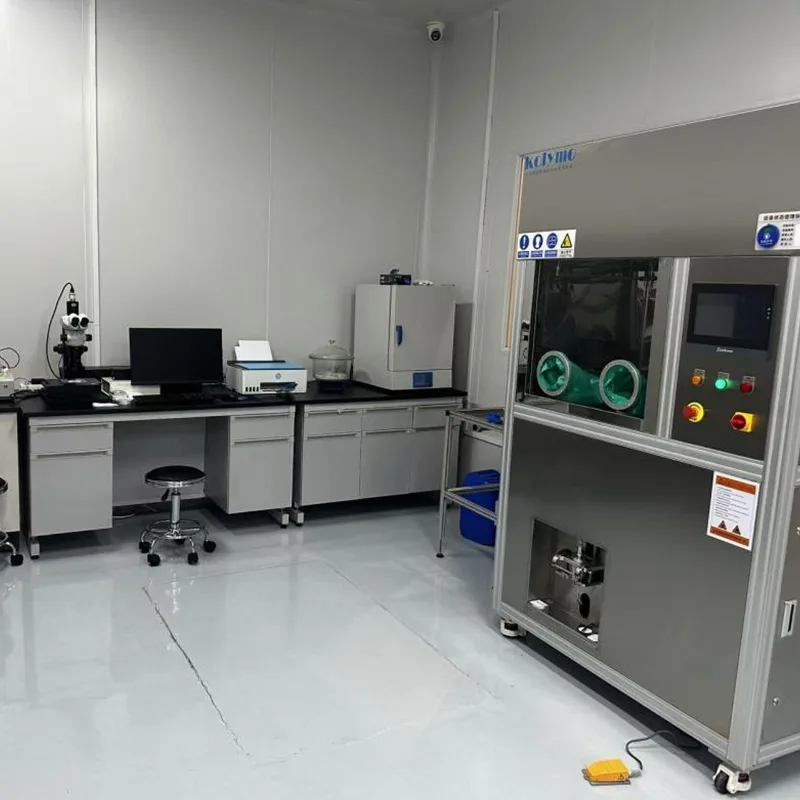
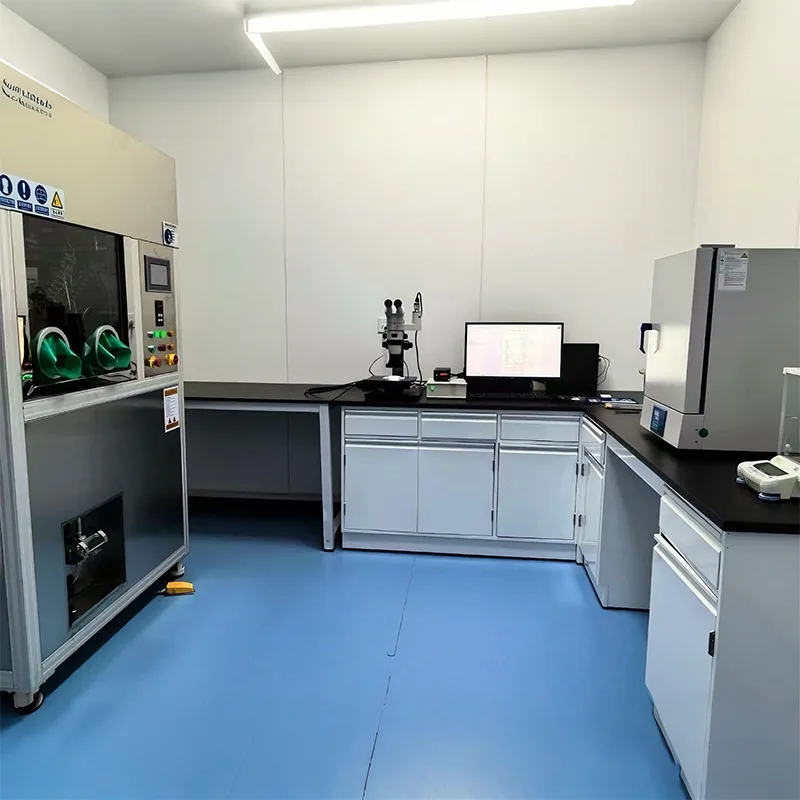
The sensitivity of extraction to ambient conditions is frequently underestimated. A standard laboratory is typically Class 1,000,000. When filter membranes are exposed to such environments, airborne dust fallout adds directly to test readings.

This equipment incorporates an internal laminar airflow system. A fan draws air from the top and passes it through a HEPA filter (99.99% efficiency for 0.3 μm particles). Clean air is delivered uniformly at **0.45 m/s ±10%**, forming a Class 100 or Class 1000 clean zone over the working area. An air curtain at the operator interface isolates the cleaning zone from the outside environment.

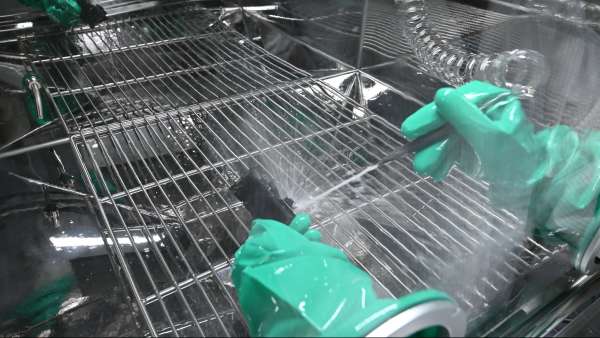
Operator-side details are also engineered to prevent contamination: 304 mirror-finish stainless steel chamber, automatic lift door for the cleaning compartment, 360 mm glove ports, IP67 explosion-proof LED lighting, and customisable stainless steel grilles and part tooling.


Repeatability Enables Auditability

The unit is centrally controlled via an HMI touchscreen. Cleaning pressure, flow rate, duration and operating modes can be configured and saved. Multiple parameter recipes are stored for different components and customer specifications. Real-time values of flow rate, fluid volume and active mode are displayed during operation.

The equipment design and testing logic align with ISO 16232 and VDA 19.1. Test data is traceable to meet audit requirements from OEMs and Tier 1 suppliers.

The standard ultrasonic tank dimension is 340×300×150 mm; custom sizes are available on request.


“There are two main risks in extraction: particles remain attached, or stripped particles are not fully captured on the filter membrane. Ultrasonics solves the first risk; in-line filtration and a controlled clean environment solve the second. This is why we built an all-in-one integrated system.”

— Kelemo Technical Team


About Kelemo

Suzhou Kolymo Precision Machinery Co., Ltd. is located at No. 225 Huajin Road, Suzhou High-tech Zone, Jiangsu Province. We are a specialised service provider focusing on cleanliness analysis.

Our business scope covers turnkey clean laboratory planning, ultrasonic extraction and particle collection equipment, automatic particle analysis systems, custom non-standard machinery and supporting consumables. We deliver a full-spectrum capability spanning extraction, sample preparation, particle analysis and laboratory construction.

The company has an R&D team of over 20 engineers, more than 15 patents and an in-house manufacturing facility. We have served over 500 customers at home and overseas.


Related News
Leave me a message
X
We use cookies to offer you a better browsing experience, analyze site traffic and personalize content. By using this site, you agree to our use of cookies. Privacy Policy
RejectAccept