News

Cleanliness Inspection Filter Membrane Rapid Drying Instrument Helps Improve Particle Analysis Efficiency

2026-09-29 0 Leave me a message

In industrial cleanliness inspection, the filter membrane is an important medium for collecting and analyzing contaminants and particles from components, assemblies, and fluid samples. After filtration and cleaning, the membrane needs to be dried properly before microscopic inspection or particle analysis. An efficient and controlled drying process can help improve inspection efficiency and support more consistent cleanliness evaluation.

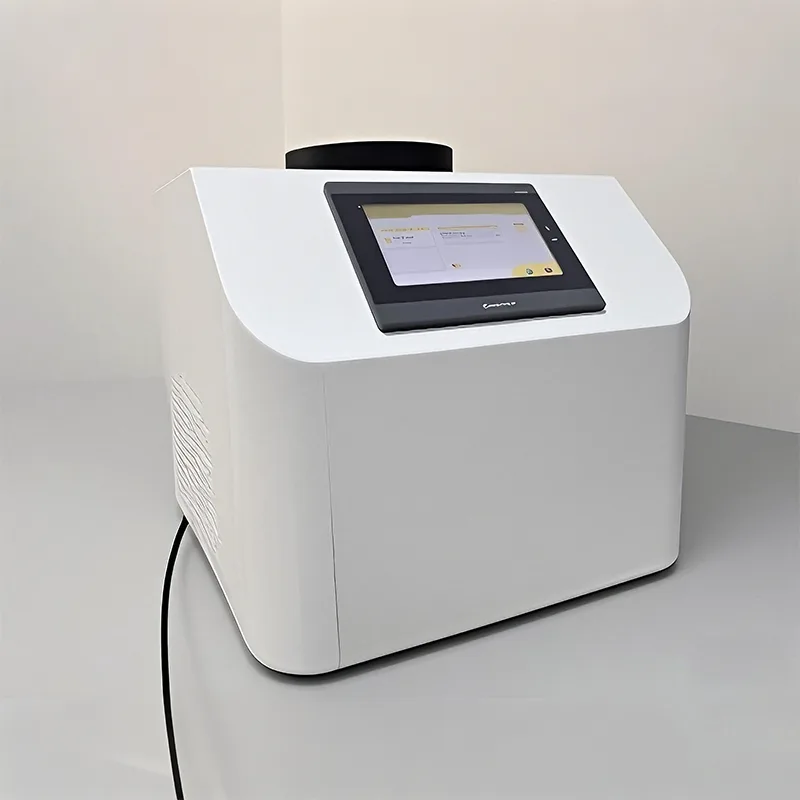
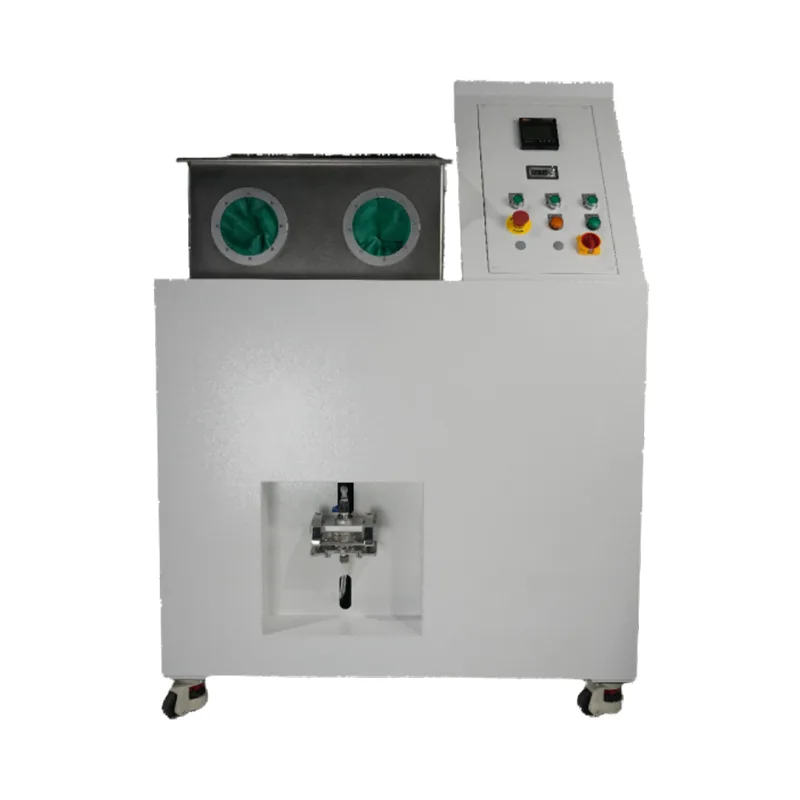
The Cleanliness Inspection Filter Membrane Rapid Drying Instrument from Kelemo is designed for laboratories and industrial quality control environments that require efficient drying of filter membranes used in cleanliness inspection. By providing a dedicated drying process, the instrument helps reduce waiting time between membrane preparation and subsequent particle observation or analysis.

Why Filter Membrane Drying Matters in Cleanliness Inspection

Cleanliness inspection is widely used in industries where microscopic particles or contaminants may affect product performance and reliability. Typical applications include automotive components, hydraulic systems, precision machinery, aerospace components, and other manufactured parts with strict cleanliness requirements.

During a typical cleanliness inspection process, contaminants are extracted from a component or system and collected on a filter membrane. The membrane is then prepared for microscopic observation and particle evaluation.

If residual liquid remains on the membrane for too long, it can delay the inspection process and make subsequent observation more difficult. Therefore, controlled and efficient membrane drying is an important step in the overall technical cleanliness inspection process.

Rapid Drying for More Efficient Laboratory Workflows

Traditional filter membrane drying may rely on ambient conditions or manual handling, which can make drying time dependent on the surrounding environment and laboratory workflow. For laboratories processing multiple samples, waiting for membranes to dry can become an unnecessary bottleneck.

The Kelemo rapid drying instrument provides a dedicated solution for drying cleanliness inspection filter membranes. By incorporating the drying step into a standardized laboratory workflow, users can reduce unnecessary waiting between filtration and microscopic analysis.

This can be particularly useful for quality control laboratories that need to process multiple samples within a defined inspection cycle.

Designed for Cleanliness Inspection Applications

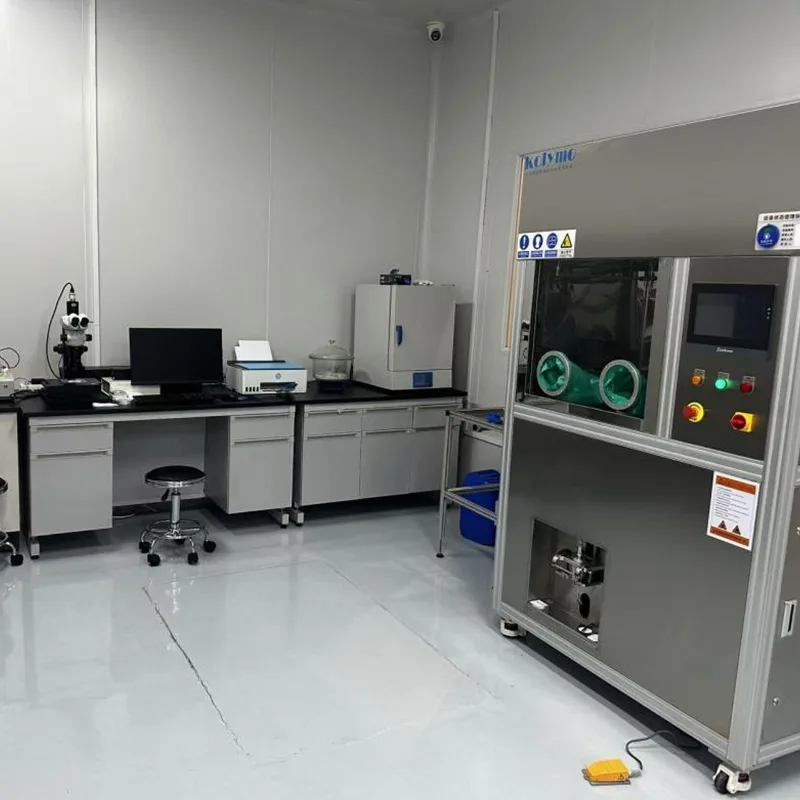
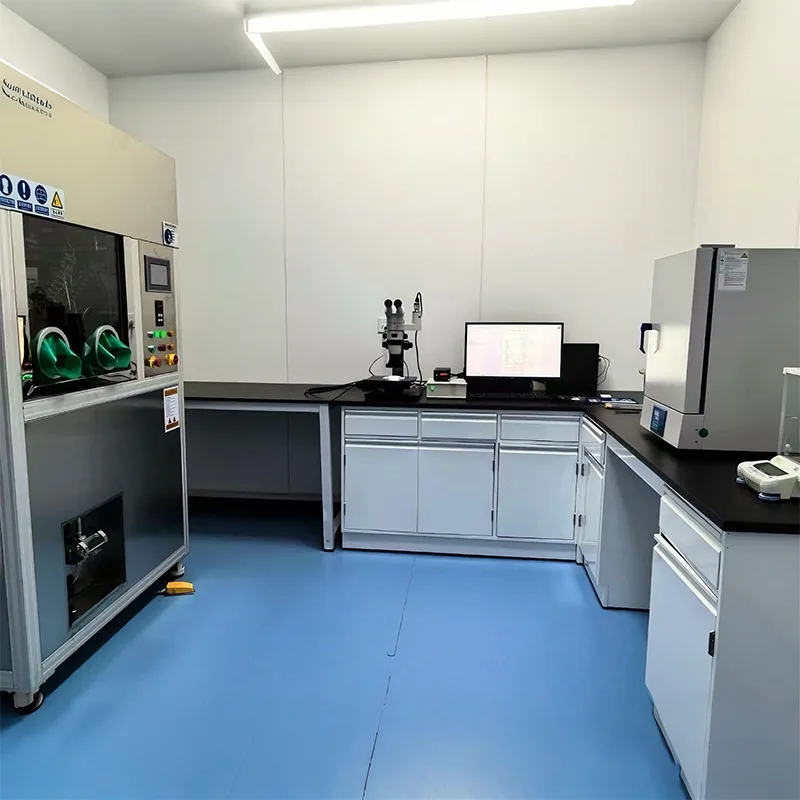
The Cleanliness Inspection Filter Membrane Rapid Drying Instrument is designed specifically around the requirements of filter membrane preparation. Its application is closely connected with the cleanliness inspection workflow, from sample extraction and filtration to membrane drying and particle analysis.

A typical workflow can include:

  1. Prepare the component or sample for cleanliness inspection.
  2. Extract contaminants using the specified inspection method.
  3. Filter the extracted liquid through a cleanliness inspection membrane.
  4. Place the filter membrane into the rapid drying instrument.
  5. Complete the drying process under controlled operating conditions.
  6. Transfer the prepared membrane for microscopic observation and particle analysis.
  7. Record and evaluate particle size, quantity, and other required cleanliness parameters.

Integrating membrane drying into this workflow can help laboratories improve process organization and reduce manual intervention.

Supporting Consistent Filter Membrane Preparation

For cleanliness inspection laboratories, consistency is important not only during particle measurement but throughout the entire sample preparation process. Differences in handling, drying time, and environmental conditions can introduce unnecessary variation into laboratory operations.

A dedicated membrane drying instrument helps establish a more repeatable preparation procedure. Operators can follow a defined drying process rather than relying entirely on manual air drying or variable ambient conditions.

This standardized approach can be valuable for laboratories that perform regular cleanliness inspections and need to maintain consistent operating procedures across different samples and operators.

Applications in Industrial Cleanliness Testing

Cleanliness inspection is increasingly important for manufacturers producing precision components and systems. The Kelemo filter membrane rapid drying instrument can be incorporated into cleanliness laboratories and quality control departments serving applications such as:

  • Automotive component cleanliness inspection
  • Hydraulic and pneumatic component testing
  • Precision machinery manufacturing
  • Gear and transmission component inspection
  • Fuel system component cleanliness testing
  • Electromechanical component inspection
  • Aerospace component cleanliness evaluation
  • Industrial parts contamination analysis

The specific inspection method and drying requirements should be selected according to the component, extraction method, filter membrane, and applicable cleanliness testing procedure.

What Should Buyers Consider When Choosing a Membrane Drying Instrument?

For laboratories and industrial users, selecting a filter membrane drying instrument requires consideration of more than drying speed. The equipment should fit the laboratory's existing cleanliness inspection workflow and sample processing requirements.

Selection Factor What Buyers Should Consider
Membrane Compatibility Confirm that the instrument is suitable for the filter membrane types and sizes used in the cleanliness inspection process.
Drying Efficiency Consider the required drying time and the number of samples processed during a typical inspection cycle.
Process Consistency Look for a controlled and repeatable drying procedure to reduce unnecessary variation between samples.
Laboratory Workflow Ensure that the equipment can be easily integrated between filtration and microscopic particle analysis.
Operation and Maintenance Consider ease of operation, cleaning, routine maintenance, and operator training requirements.
Application Requirements Evaluate the equipment according to the cleanliness standards, inspection procedures, and quality control requirements used by the laboratory.

From Filtration to Particle Analysis: Improving the Inspection Workflow

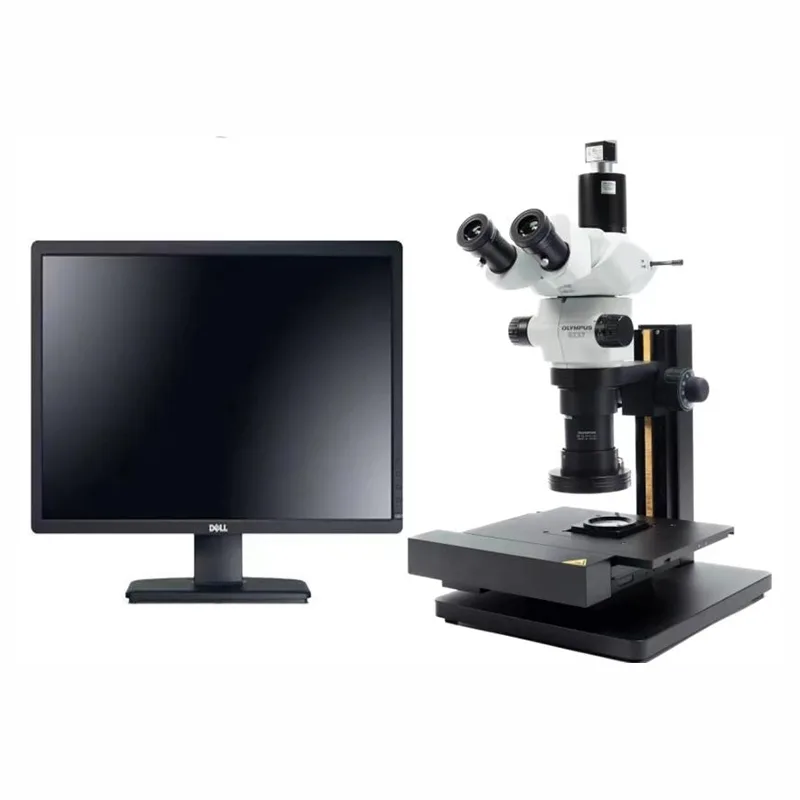
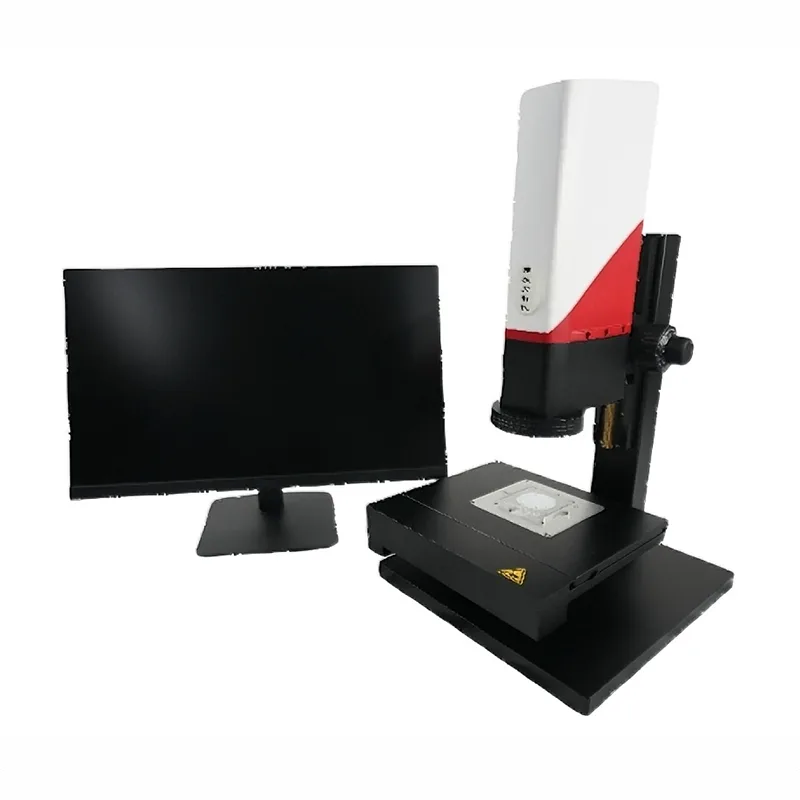
A cleanliness inspection system is more than a microscope or particle counter. The reliability of inspection results also depends on sample preparation, contamination control, filtration, membrane handling, drying, observation, and data recording.

By improving individual steps in the workflow, laboratories can reduce unnecessary manual operations and make inspection procedures easier to standardize. A dedicated filter membrane rapid drying instrument is one example of how sample preparation can be optimized before microscopic particle analysis.

For manufacturers with high-volume cleanliness inspection requirements, improving preparation efficiency can also help quality control teams process samples more systematically.

Kelemo: Supporting Industrial Cleanliness Inspection

Kelemo focuses on solutions for industrial cleanliness inspection and laboratory quality control applications. Its equipment is designed to support manufacturers and testing laboratories in sample preparation, contamination inspection, and cleanliness evaluation.

The Cleanliness Inspection Filter Membrane Rapid Drying Instrument provides a dedicated solution for an important step between membrane filtration and particle observation. It helps users organize the drying process more efficiently and supports a standardized workflow for cleanliness inspection.

For automotive, precision manufacturing, hydraulic, aerospace, and other industries where component cleanliness is important, Kelemo provides equipment solutions designed around practical laboratory inspection requirements.

Improve Cleanliness Inspection Efficiency with Kelemo

As manufacturing processes become more precise, controlling particulate contamination is becoming an increasingly important part of quality management. Efficient filter membrane preparation can help laboratories improve inspection workflows and reduce unnecessary waiting time.

The Kelemo Cleanliness Inspection Filter Membrane Rapid Drying Instrument is designed to support this process by providing a dedicated solution for rapid membrane drying before microscopic observation and particle analysis.

Looking for a filter membrane rapid drying solution for your cleanliness inspection laboratory? Contact Kelemo to discuss your inspection workflow, membrane requirements, and application needs.

Related News
Leave me a message
X
We use cookies to offer you a better browsing experience, analyze site traffic and personalize content. By using this site, you agree to our use of cookies. Privacy Policy
RejectAccept