In modern automotive manufacturing, cleanliness is no longer optional—it is a critical quality benchmark. Even microscopic contaminants can lead to component failure, reduced lifespan, or safety risks. This article explores how automotive parts cleanliness cleaning machines solve real-world manufacturing challenges, improve efficiency, and ensure consistent product quality. From working principles to selection criteria and maintenance strategies, this comprehensive guide is designed to help decision-makers choose the right solution and maximize return on investment.
1. What Is an Automotive Parts Cleanliness Cleaning Machine?
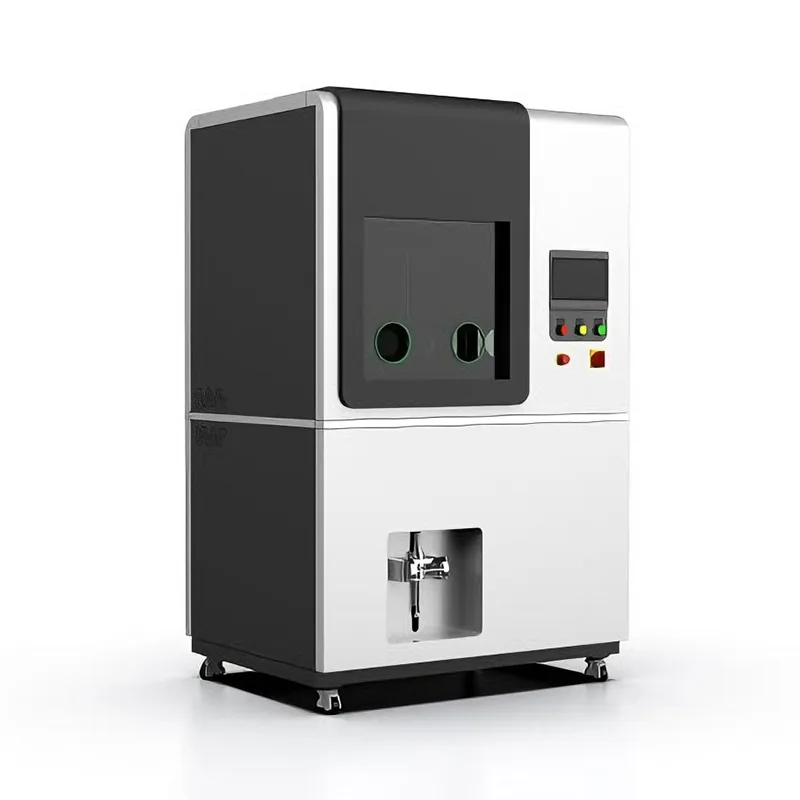
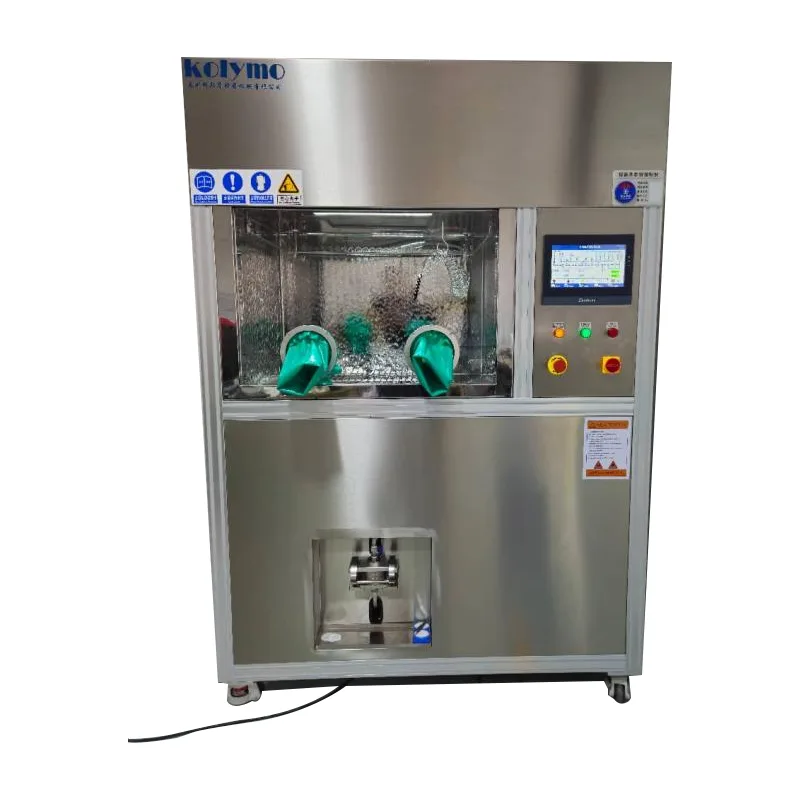
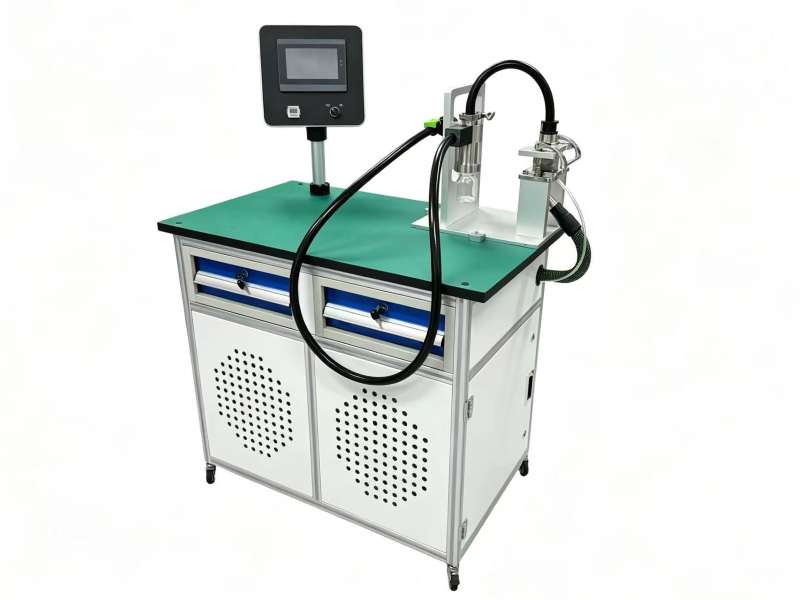
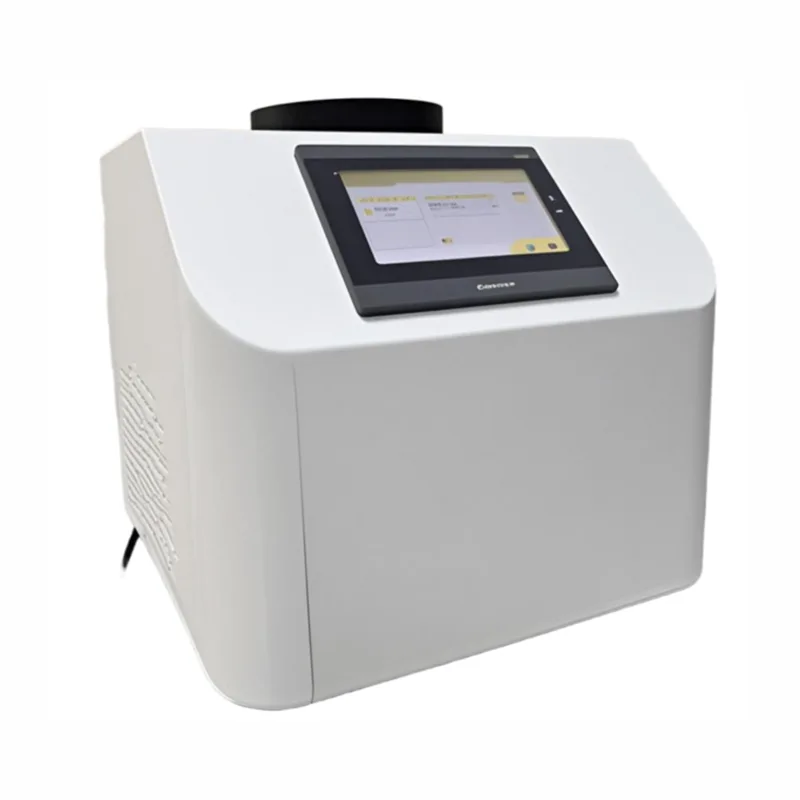
An automotive parts cleanliness cleaning machine is specialized equipment designed to remove contaminants such as oil, metal shavings, dust, and residues from automotive components. These machines ensure that parts meet strict cleanliness standards before assembly, coating, or packaging.
They are widely used for cleaning engine parts, transmission components, fuel systems, brake systems, and precision mechanical parts.
2. Why Cleanliness Matters in Automotive Manufacturing
Cleanliness directly affects performance, durability, and safety. Even tiny particles can cause serious issues such as:
Premature wear of moving parts
Clogging in fuel injection systems
Reduced lubrication efficiency
Electrical short circuits in modern vehicles
As vehicles become more advanced, tolerance levels shrink, making cleanliness even more critical.
3. Common Contamination Challenges
Manufacturers often face several contamination issues during production:
Metal particles: Generated during machining processes
Oil residues: Left from cutting fluids or lubricants
Dust and debris: From the workshop environment
Chemical residues: From previous processing steps
Without proper cleaning, these contaminants can compromise the entire assembly.
4. How Cleaning Machines Work
Automotive cleaning machines typically operate through a combination of physical and chemical processes:
Immersion: Parts are submerged in cleaning solutions
Drying: Hot air or vacuum drying removes moisture
The integration of these steps ensures thorough cleaning even in complex geometries.
5. Types of Cleaning Technologies
Different technologies are used depending on the application:
Ultrasonic cleaning systems
Spray cleaning machines
Vacuum cleaning systems
Aqueous cleaning systems
Solvent-based cleaning machines
6. Key Benefits for Manufacturers
Investing in a high-quality cleaning machine delivers multiple advantages:
Improved product reliability
Reduced defect rates
Enhanced production efficiency
Compliance with industry standards
Lower maintenance costs
Companies like SuZhou Kolymo Precison Machinery Co.,Ltd. focus on delivering advanced solutions that combine efficiency, precision, and durability.
7. Comparison of Cleaning Methods
Method
Advantages
Limitations
Ultrasonic Cleaning
Excellent for fine particles and complex shapes
Higher initial cost
Spray Cleaning
Fast and suitable for large parts
Limited for intricate areas
Solvent Cleaning
Strong cleaning power
Environmental concerns
Aqueous Cleaning
Eco-friendly and safe
May require longer drying time
8. How to Choose the Right Machine
Selecting the right cleaning machine depends on several factors:
Type and size of parts
Level of cleanliness required
Production volume
Budget constraints
Environmental considerations
It is essential to work with experienced manufacturers like SuZhou Kolymo Precison Machinery Co.,Ltd. to ensure the solution matches your exact needs.
9. Maintenance and Operational Tips
Proper maintenance ensures long-term performance:
Regularly replace cleaning fluids
Inspect filters and pumps
Monitor temperature and pressure levels
Schedule routine servicing
Following these practices reduces downtime and extends equipment lifespan.
10. Industry Applications
Cleaning machines are used across various automotive sectors:
Engine manufacturing
Transmission systems
Electric vehicle components
Brake systems
Fuel injection systems
11. Future Trends in Cleaning Technology
The industry is evolving with new innovations:
Automation and robotics integration
AI-based contamination detection
Eco-friendly cleaning solutions
Energy-efficient systems
These trends are shaping the next generation of automotive manufacturing.
12. FAQ
Q1: What level of cleanliness is required for automotive parts?
A: It depends on the application, but high-precision components require near-zero contamination.
Q2: Are ultrasonic cleaning machines suitable for all parts?
A: They are ideal for complex and delicate parts but may not be necessary for large simple components.
Q3: How often should cleaning machines be maintained?
A: Routine checks should be done weekly, with deeper maintenance monthly or quarterly.
Q4: Are eco-friendly cleaning solutions effective?
A: Yes, modern aqueous systems provide excellent cleaning performance while being environmentally safe.
Q5: Can cleaning machines be customized?
A: Yes, manufacturers like SuZhou Kolymo Precison Machinery Co.,Ltd. offer tailored solutions.
Conclusion
Automotive parts cleanliness cleaning machines play a vital role in ensuring product quality, reliability, and safety. By choosing the right technology and maintaining it properly, manufacturers can significantly enhance their production processes and reduce operational risks.
Contact us today to learn how SuZhou Kolymo Precison Machinery Co.,Ltd. can provide customized cleaning solutions tailored to your needs. Let us help you achieve superior cleanliness standards and stay ahead in the competitive automotive industry.
We use cookies to offer you a better browsing experience, analyze site traffic and personalize content. By using this site, you agree to our use of cookies.
Privacy Policy