Microscope Analysis System for Cleanliness of Liquid Cooling Systems
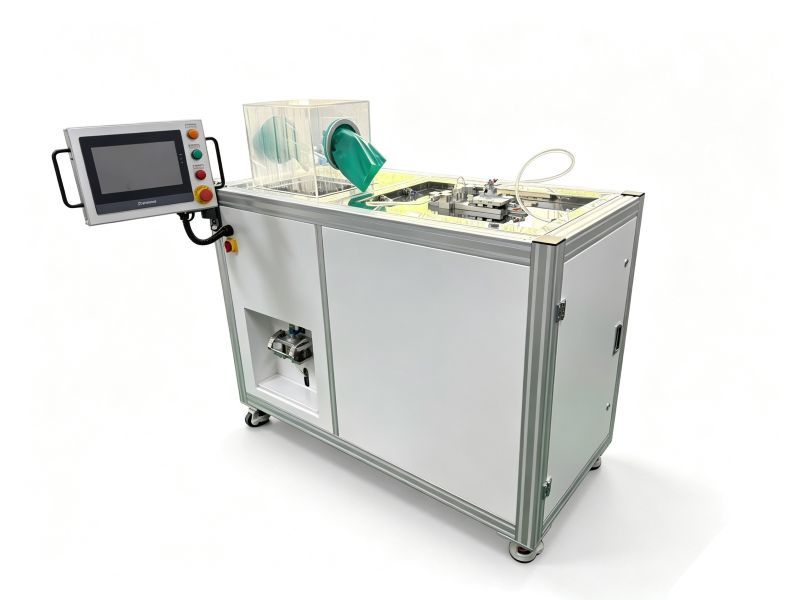
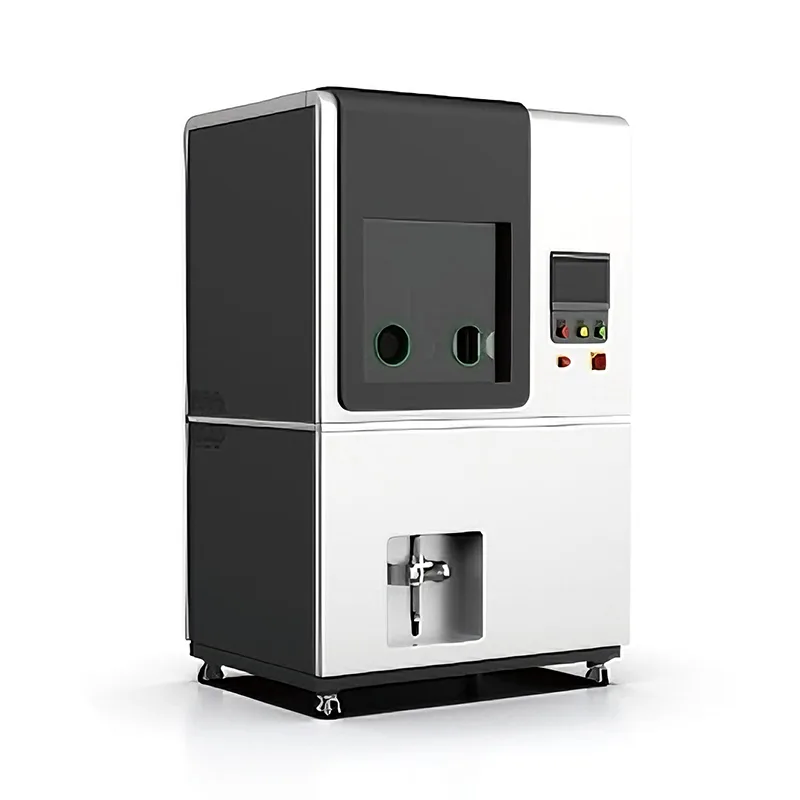
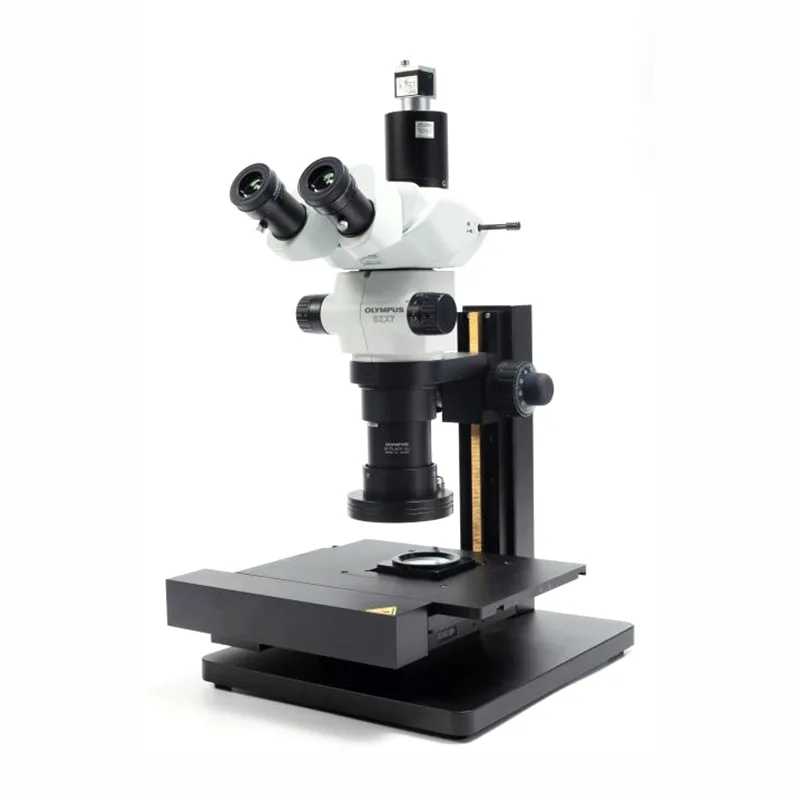
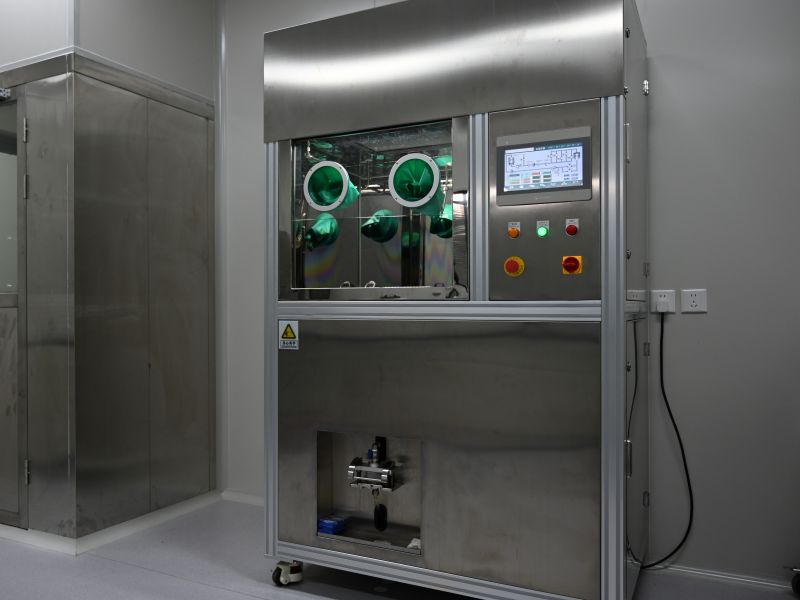
The Kelemo Microscope Analysis System for Cleanliness of Liquid Cooling Systems is a professional, high-performance testing device that accurately meets the stringent cleanliness testing requirements of liquid cooling systems in various industries, including new energy vehicles, electronic equipment, industrial machinery, and aerospace. With its three core advantages—precise detection, efficient analysis, and flexible adaptability—it comprehensively adapts to cleanliness analysis scenarios for various liquid cooling system components.
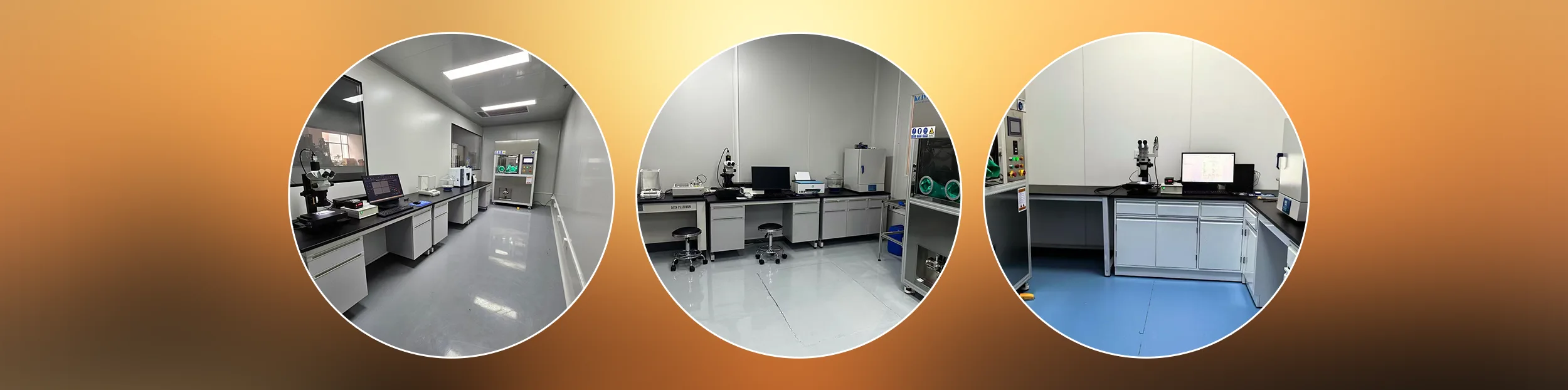
Kelemo is a professional manufacturer specializing in the R&D, production, and sales of Microscope Analysis Systems for Cleanliness of Liquid Cooling Systems. It has a modern factory in China integrating production, quality inspection, and after-sales service. Having cultivated deep expertise in the field of liquid cooling system cleanliness testing for many years, Kelemo has built a complete R&D and production system from product design and component selection to finished product testing. As a trusted supplier in the industry, Kelemo adheres to the principles of "professionalism, efficiency, and reliability." Its products, with their stable performance and high cost-effectiveness, have gained widespread recognition from domestic and international liquid cooling system manufacturers, establishing its authoritative position in this niche market.
Core Product Advantages
1.High Adaptability and Customization Support
The Microscope Analysis System for Cleanliness of Liquid Cooling Systems is specifically designed for cleanliness testing and particle extraction of liquid cooling system components, compatible with various core components and key components of cooling circulation systems. It can be customized non-standardized for machine size, testing platform, lens parameters, sample throughput, etc., perfectly adapting to diverse testing scenarios such as cooling pipes, heat exchangers, liquid storage tanks, and circulation pumps. Its compact design saves workshop space and facilitates layout integration and relocation.
2.Diverse Testing Modes and Precisely Adjustable Parameters
The Microscope Analysis System for Cleanliness of Liquid Cooling Systems supports two basic testing modes: static scanning and dynamic sampling. Optional modes include polarized light detection and high-magnification fine analysis, which can be flexibly selected according to the degree of component contamination and structural characteristics. Scanning speed and detection accuracy are adjustable, with a particle detection limit of ≥5μm. Automatic threshold adjustment avoids human error and fully complies with international testing standards such as ISO 16232 and VDA19.1.
Core Technical Parametersa
Item
Specification
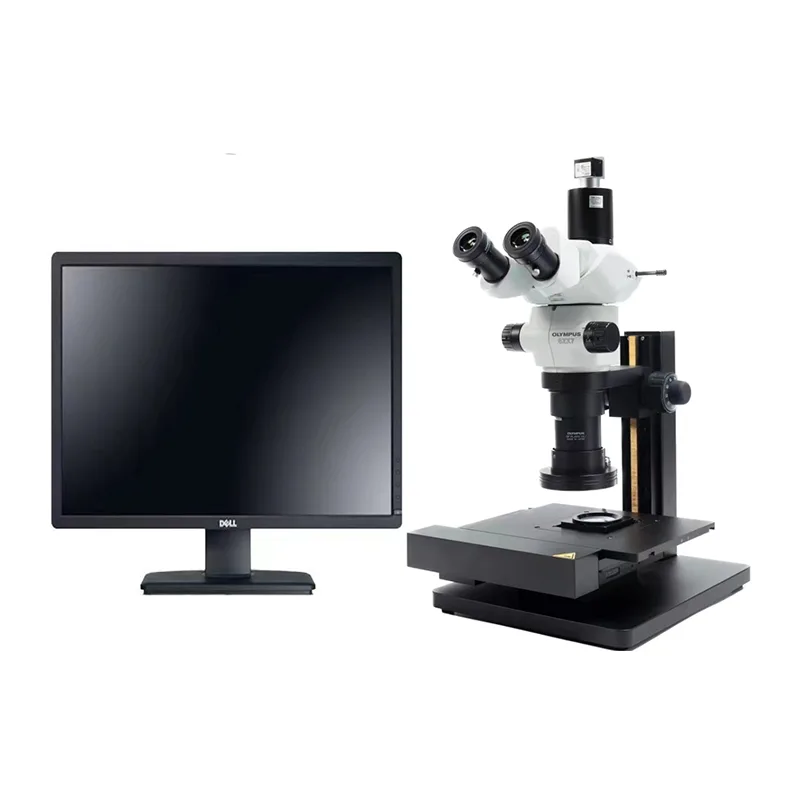
Optical Microscope
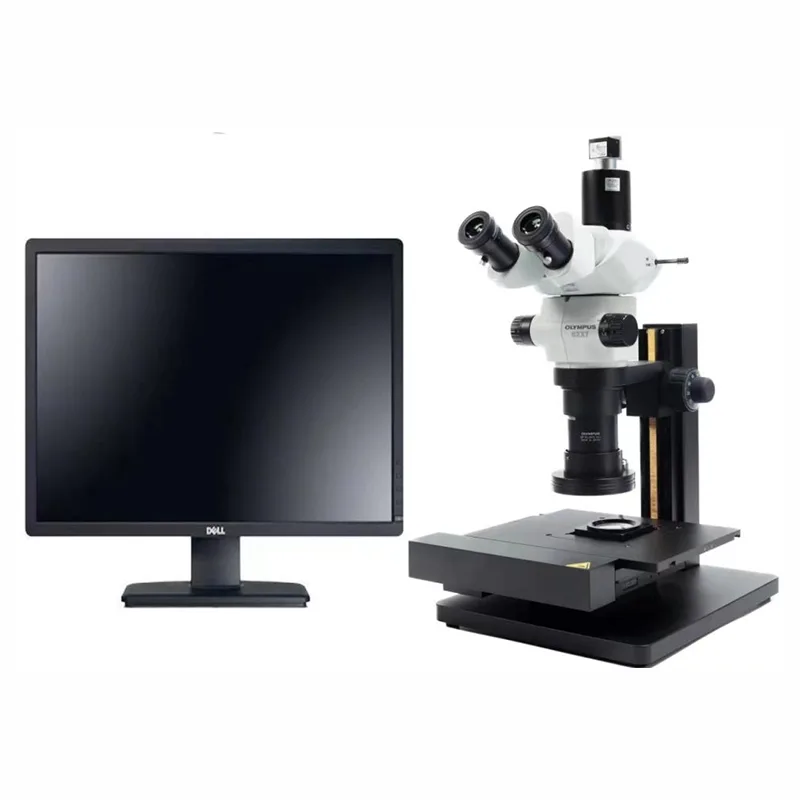
Olympus SZX7
Magnification
0.8x-5.6x
Illuminant
LED, Automatic Dimming
Particle Detection
≥5μm
Polarized Light Control
Automatic Type (Single/Double Scan)
Threshold Adjustment
Automatic Type (Eliminates Manual Operation Errors)
Camera
Basler ACA11920-40UC
Automatic Platform Itinerary
XY Axis: 90×60mm
Cleanliness Software
Built-in ISO 16232/VDA19 Standards, supports custom standard access, automatically counts metal/non-metal/fiber categories, and supports manual result modification and particle segmentation association
Computer Configuration
16GB Memory, 512GB SSD, 2TB HDD, 24-inch Monitor
Real-world Application Case
A global manufacturer of liquid cooling systems for new energy vehicles faced challenges such as clogged flow channels in battery liquid cooling plates, accelerated wear of precision circulation pumps, and inability to meet OEM cleanliness standards. Existing testing methods struggled to identify sub-5μm particles, leading to high production scrap rates and delayed problem resolution.
After introducing the Kelemo system, the company applied it to core component testing, production process optimization, and supplier quality control: It tested over 50 liquid cooling plate samples monthly, accurately distinguishing particle types through polarized light analysis; optimized production line cleaning parameters, reducing particle contamination rate by 42% within 3 months; and used system data to identify upstream supplier quality issues, proactively mitigating batch risks.
Ultimately, flow channel clogging rate decreased by 65%, eliminating downtime; precision pump lifespan increased by 50%, saving 1.2 million RMB in annual maintenance costs; full compliance with ISO 16232/VDA19.1 standards was achieved, increasing batch first-pass yield from 72% to 98%, and reducing single-batch testing time from 4 hours to 45 minutes.
Applications
The Microscope Analysis System for Cleanliness of Liquid Cooling Systems is widely used in the R&D and production of liquid cooling systems. It primarily detects particulate contaminants in key components such as cooling pipes, heat exchangers, liquid storage tanks, and circulating pumps, preventing flow channel blockage, component wear, and system failures at the source. This ensures stable operation and extended lifespan of the liquid cooling system, while providing reliable data support for quality control, contamination source tracing, and process optimization.
Supplier Commitment
As a professional manufacturer and supplier of cleanliness testing equipment in China, Kelemo ensures product quality through stringent quality control, conducting rigorous testing throughout the entire process from raw material procurement to finished product delivery. We support customized solutions, provide full lifecycle technical guidance and maintenance services, help customers address operational concerns, establish long-term and stable partnerships, and become a trusted partner for global customers.
Hot Tags: Microscope Analysis System for Cleanliness of Liquid Cooling Systems, Cooling System Cleanliness Testing
If you have any enquiry about quotation or cooperation, please feel free to email or use the following inquiry form. Our sales representative will contact you within 24 hours.
We use cookies to offer you a better browsing experience, analyze site traffic and personalize content. By using this site, you agree to our use of cookies.
Privacy Policy