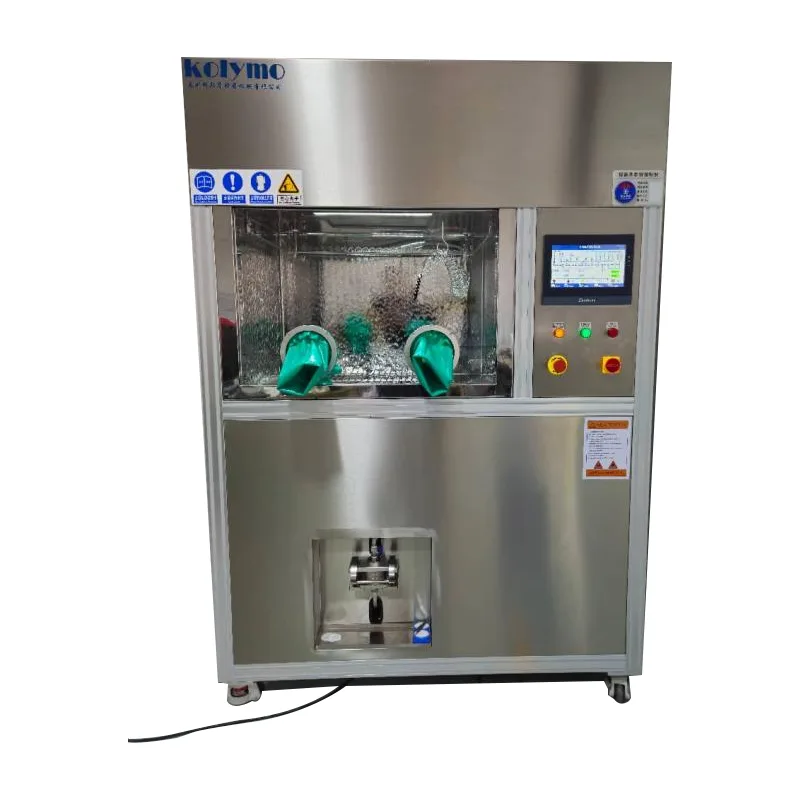
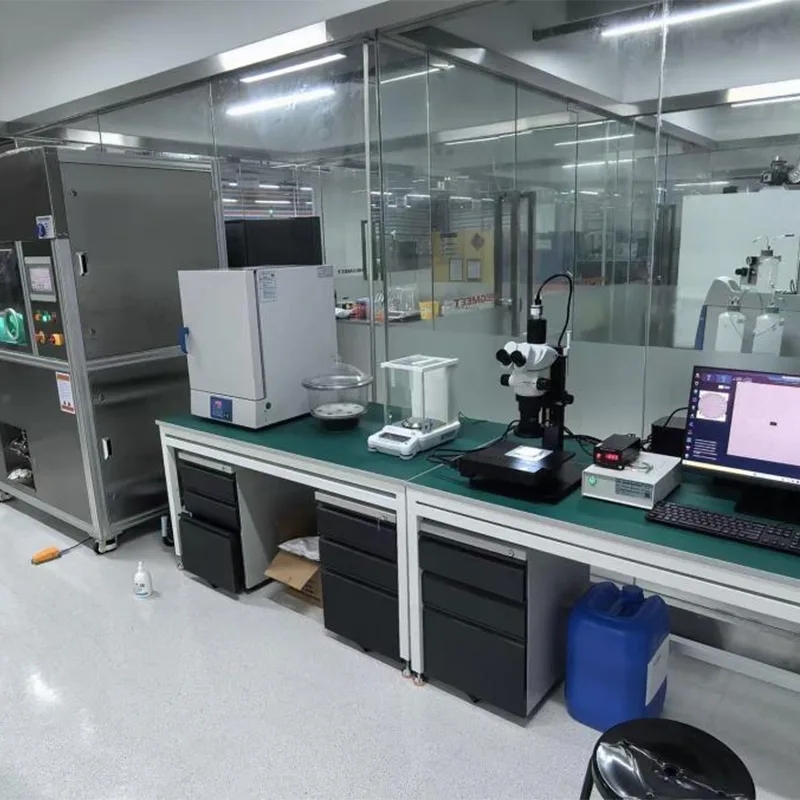
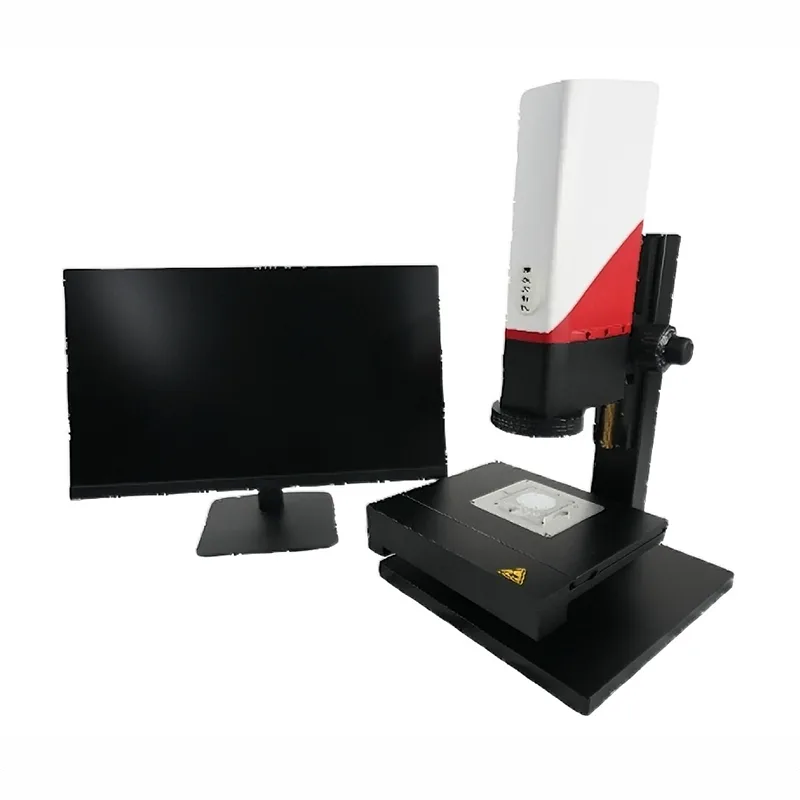
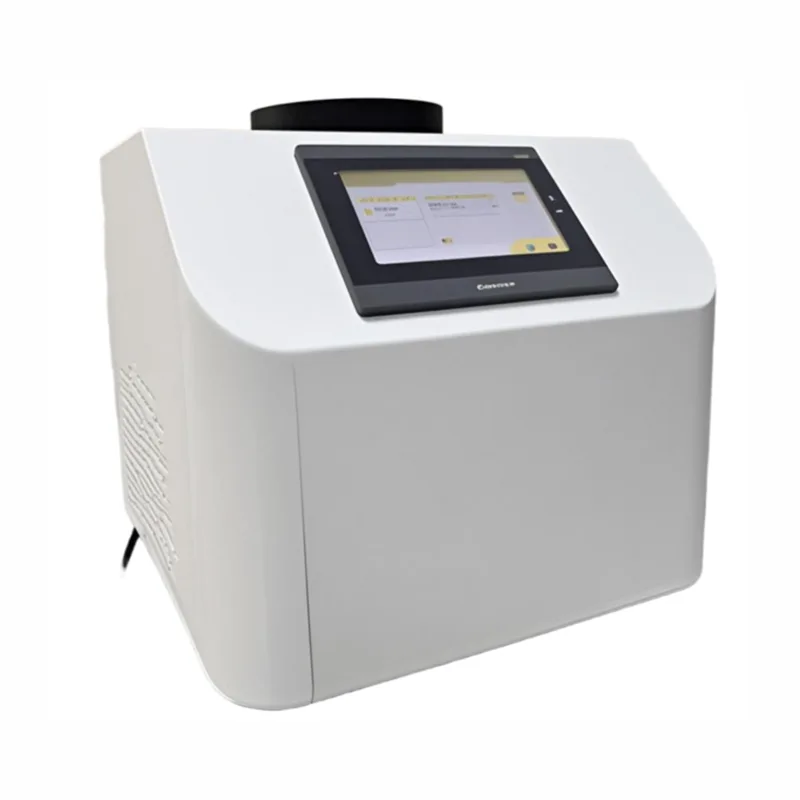
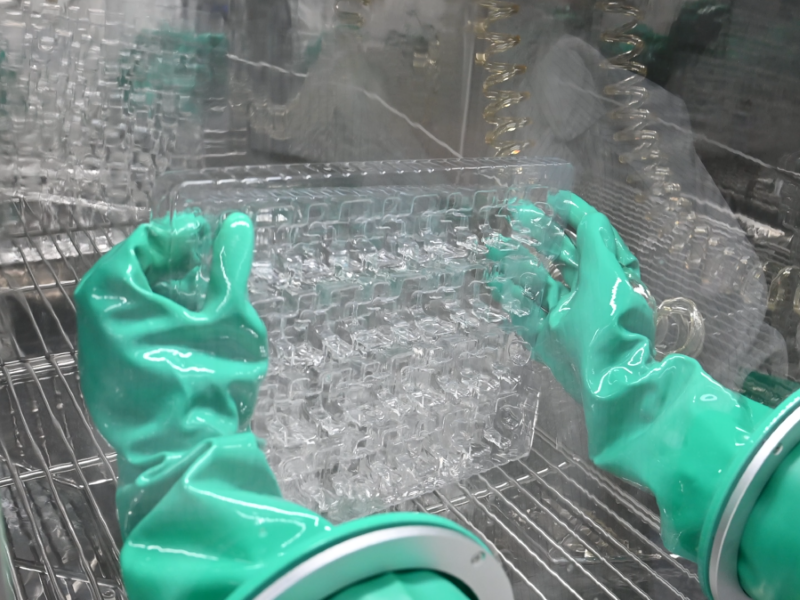
The cleanliness particle analysis system integrates functions such as sampling, particle detection and data analysis, enabling efficient and accurate identification and statistics of various types of particles including metals, non-metals and fibers. This system provides strong support for product quality control. It is widely used in industries such as automobiles, microelectronics, aerospace, etc. By meeting international and domestic standards such as ISO16232 and VDA19, it ensures that product performance and service life are not affected by contamination.
The cleanliness particle analysis system is composed of multiple components, each of which plays a crucial role. The functions and features of each component will be elaborated below.
1. Sample Processing Unit: The sample processing unit is a fundamental component that is responsible for receiving, processing, and preparing the samples to be analyzed. This unit typically includes equipment such as sample collectors and sample pre-treatment devices, ensuring that the samples remain in their original state during the analysis process.
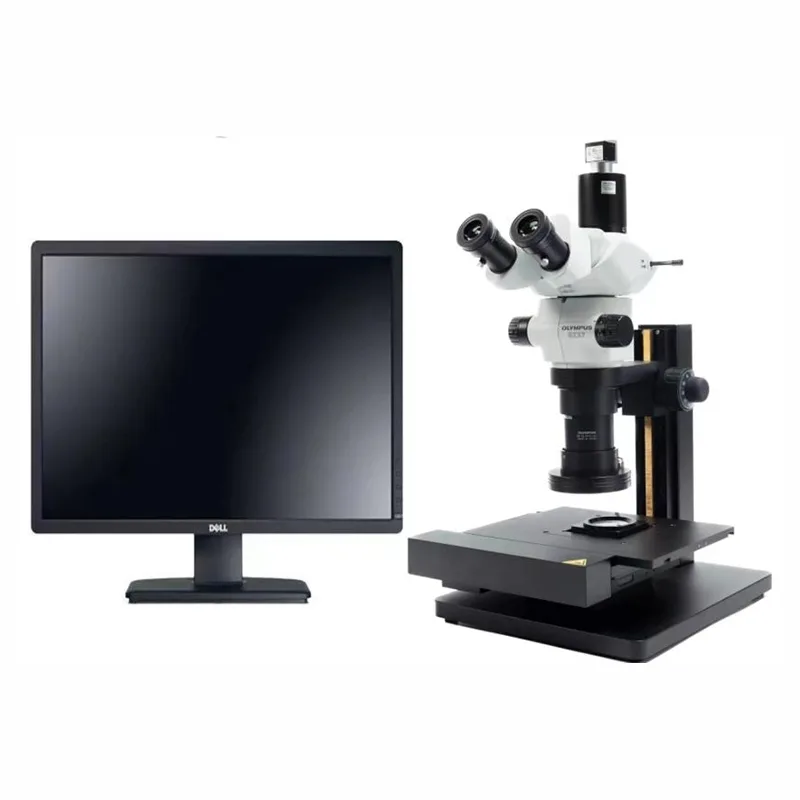
2. Particle Detector: The particle detector is one of the key components in the system, used for detecting and identifying tiny particles in the sample. It can accurately measure parameters such as the size, shape, and concentration of the particles, helping users understand the cleanliness of the sample.
3. Data Processing Unit: The data processing unit is responsible for receiving, processing, and analyzing the data transmitted by the particle detector. Through this unit, users can obtain the results of particle analysis, such as particle distribution graphs and statistical data, which can provide support for subsequent decisions.
4. Control System: The control system is responsible for monitoring and controlling the operation status of each component, ensuring the stable operation of the system and enhancing the accuracy and reliability of the analysis.
5. Software Interface: The software interface serves as the window through which users interact with the system. Users can set analysis parameters, initiate the analysis process, and view the analysis results via this interface. A well-designed software interface can enhance the user experience and simplify the operation procedures.
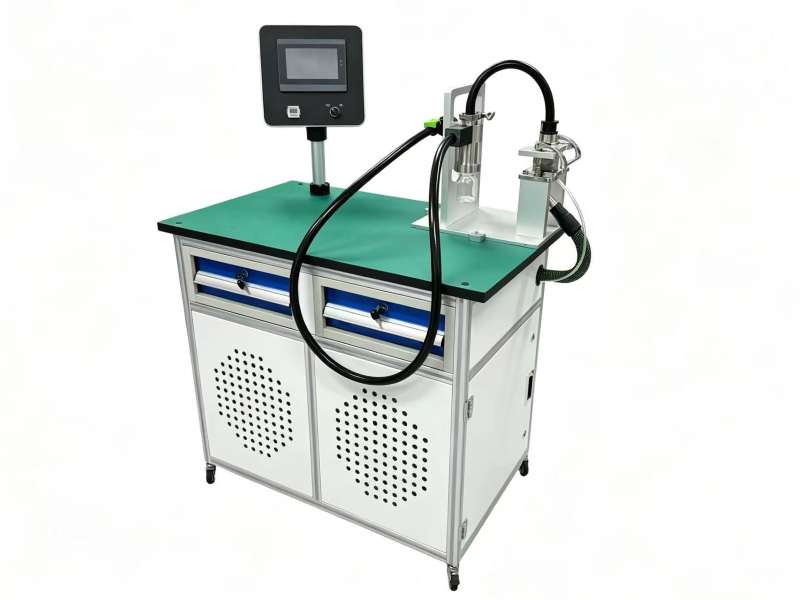
6. Sample processing device: The sample processing device includes sample injection device, sample dispersion device, etc., which is used to uniformly disperse the sample and transport it to the particle detector. A well-designed sample processing device can enhance the analysis efficiency and accuracy.
We use cookies to offer you a better browsing experience, analyze site traffic and personalize content. By using this site, you agree to our use of cookies.
Privacy Policy